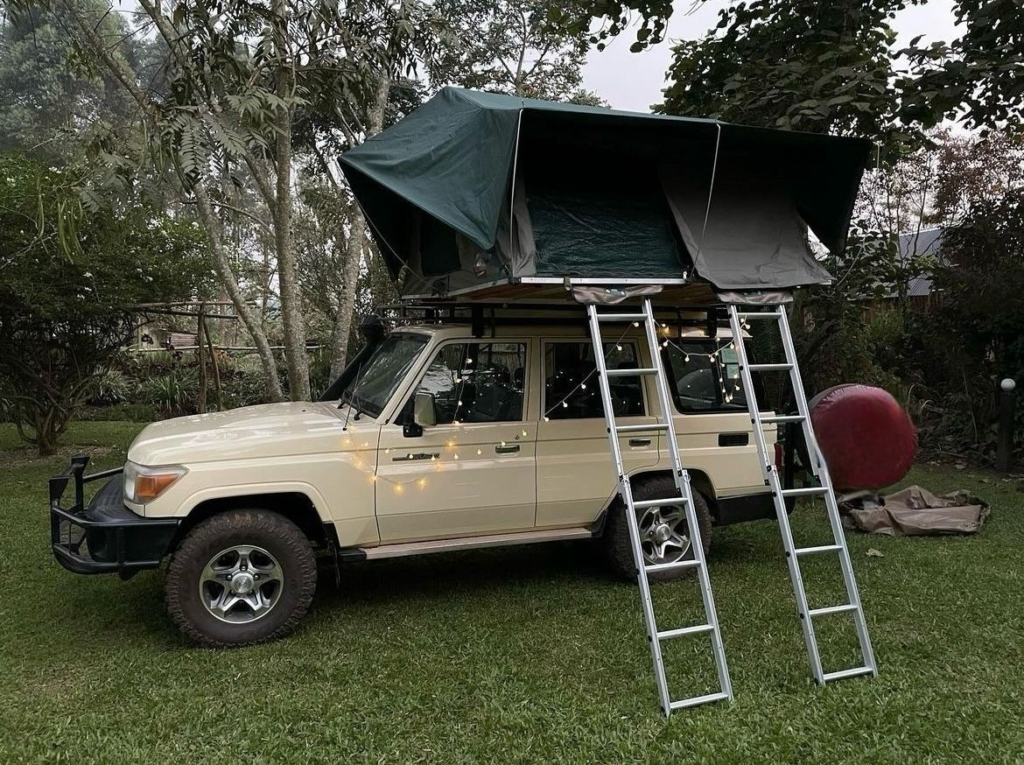
Gorilla Photographic Self-Drive Safari in East Africa: Rwanda and Uganda
Introduction to Gorilla Photographic Self-Drive Safaris
A gorilla photographic self-drive safari is an extraordinary way to explore East Africa while capturing memorable images of mountain gorillas in their natural habitat. Combining independent road travel with ranger-guided gorilla trekking, this safari gives photographers and wildlife enthusiasts the flexibility to explore at their own pace.
East Africa offers two leading destinations for mountain gorilla encounters: Rwanda’s Volcanoes National Park and Uganda’s Bwindi Impenetrable National Park and Mgahinga Gorilla National Park. Each destination offers a distinctive rainforest environment, beautiful mountain scenery and opportunities to observe endangered mountain gorillas.
With a suitable 4×4 rental vehicle, travelers can drive between national parks, choose accommodation that suits their budget and combine gorilla trekking with wildlife photography, cultural experiences and scenic road trips.
For visitors who want to experience Africa independently, a gorilla photographic self-drive safari in Rwanda and Uganda offers an appealing combination of adventure, flexibility and responsible wildlife photography.
Why Choose a Gorilla Photographic Self-Drive Safari?
A photographic safari requires time, preparation and flexibility. Unlike a conventional sightseeing holiday, it allows travelers to focus on wildlife encounters, lighting conditions, landscapes and the photographic opportunities that make each destination unique.
Self-driving offers several advantages.
Freedom to Explore at Your Own Pace
A self-drive safari allows you to plan your journey around your interests. You can spend additional time photographing landscapes, visit local communities, stop at scenic viewpoints and choose overnight accommodation that fits your itinerary.
Opportunities for Wildlife Photography
Gorilla trekking is the main attraction, but the journey also provides opportunities to photograph birds, forest vegetation, rural landscapes, lakes, volcanoes and other wildlife.
Flexible Accommodation Choices
Travelers can select campsites, guesthouses, mid-range lodges or luxury accommodation near their chosen trekking area. Staying close to the park entrance helps reduce early-morning travel before the trek.
An Adventure Beyond Gorilla Trekking
A gorilla photographic safari can include savannah wildlife viewing, boat trips, cultural encounters and visits to scenic highland destinations. Uganda is particularly suitable for combining gorilla trekking with a broader wildlife road trip.
Best Destinations for Gorilla Photography in East Africa
1. Volcanoes National Park, Rwanda
Volcanoes National Park in northern Rwanda is one of Africa’s best-known destinations for mountain gorilla trekking. The park protects part of the Virunga volcanic mountain range and offers a dramatic setting of mist-covered slopes, bamboo vegetation and montane forest.
A self-drive journey to the Musanze area allows visitors to explore Rwanda’s countryside before joining an authorised gorilla trek.
Photographic opportunities include:
- Mountain gorillas in their forest habitat.
- Silverbacks, females and young gorillas during authorised viewing.
- Bamboo vegetation and misty forest scenery.
- The volcanic landscapes of the Virunga Mountains.
- Local communities and rural life around Musanze.
Rwanda is an excellent option for photographers seeking a relatively short gorilla-focused holiday. Its standard foreign non-resident gorilla trekking permit has been listed at US$1,500, but travelers should confirm current prices and eligibility directly with the relevant authorities before booking.
2. Bwindi Impenetrable National Park, Uganda
Bwindi Impenetrable National Park is a UNESCO-listed forest landscape and one of the most important mountain gorilla conservation areas in the world.
Its dense vegetation, steep slopes and rich biodiversity create a rewarding environment for wildlife photographers. The park has several gorilla trekking sectors, so travelers should select accommodation and a vehicle route according to the location of their confirmed permit.
Photographic highlights include:
- Mountain gorillas in dense rainforest.
- Close-up wildlife portraits during the authorised trek.
- Forest plants, vines and moss-covered trees.
- Birds and other forest wildlife.
- Rural highland landscapes and local cultural experiences.
A capable 4×4 is recommended because access roads can be steep, rough or muddy, particularly during rainy periods.
3. Mgahinga Gorilla National Park, Uganda
Mgahinga Gorilla National Park lies in southwestern Uganda within the Virunga volcanic region. It offers a combination of gorilla trekking, volcanic scenery and guided forest experiences.
The park is an attractive choice for photographers interested in mountain gorillas and dramatic mountain landscapes within the same itinerary.
Travelers should confirm gorilla permit availability and trekking arrangements before choosing their travel dates.
Suggested 8-Day Gorilla Photographic Self-Drive Safari in Uganda
This itinerary combines gorilla trekking with wildlife viewing and scenic landscapes. Driving times depend on road conditions, weather, traffic and the selected accommodation.
Day 1: Arrival in Entebbe
Arrive at Entebbe International Airport and collect your pre-arranged 4×4 rental vehicle. Check your camera equipment, confirm your accommodation and prepare for the journey.
If time allows, photograph Lake Victoria and the surrounding landscapes.
Overnight: Entebbe.
Day 2: Entebbe to Kibale Forest Area
Drive west through Uganda’s countryside towards the Kibale Forest area. Enjoy scenic views of rural communities, farms, rolling hills and local markets.
Photographers interested in primates can arrange an additional guided chimpanzee-tracking experience, subject to availability and the appropriate permit.
Overnight: Kibale area.
Day 3: Kibale Area to Queen Elizabeth National Park
Continue towards Queen Elizabeth National Park. Depending on your schedule, arrange a guided game drive or boat trip along the Kazinga Channel.
The park offers opportunities to photograph elephants, buffaloes, antelopes, hippos and numerous bird species.
Overnight: Queen Elizabeth National Park area.
Day 4: Queen Elizabeth National Park to Bwindi
Travel towards the appropriate sector of Bwindi Impenetrable National Park. Enjoy the changing landscapes as savannah gives way to forested hills and highland communities.
Arrive at your lodge or guesthouse in good time. Organise your camera, charge batteries and prepare your clothing for the following day’s trek.
Overnight: Bwindi area.
Day 5: Gorilla Photographic Trekking
After an early breakfast, report to the designated briefing point for your authorised gorilla trekking experience.
Park staff assign visitors to a gorilla group and explain the applicable rules. The trek may involve steep slopes, thick vegetation and muddy trails, and its duration varies according to the gorillas’ location.
Once the gorillas are located, follow the ranger’s instructions carefully. Photograph the animals without flash and maintain the required distance. The authorised viewing period is limited, so prepare your camera settings in advance.
Overnight: Bwindi area.
Day 6: Bwindi to Lake Bunyonyi
Drive to Lake Bunyonyi, one of Uganda’s most scenic highland lakes. Spend the day photographing the lake, its islands, terraced hills and surrounding communities.
This is also an opportunity to relax after the physically demanding gorilla trek.
Overnight: Lake Bunyonyi area.
Day 7: Begin the Return Journey
Start travelling towards central Uganda. Depending on your preferred pace, break the journey with an overnight stop rather than attempting an exhausting drive in one day.
Photograph the countryside and stop at suitable viewpoints along the route.
Overnight: En route or in the Entebbe area, depending on the driving schedule.
Day 8: Return to Entebbe
Return your rental vehicle according to the agreed arrangements and continue to the airport for your departure.
Travelers with late flights may have additional time for sightseeing, subject to the vehicle return schedule.
Essential Camera Equipment for Gorilla Photography
Preparing the right equipment can make a significant difference in the rainforest environment.
Camera Body
A DSLR or mirrorless camera with reliable autofocus and good high-ISO performance is useful in low-light forest conditions.
Lenses
A versatile zoom lens can be particularly practical because the distance to the gorillas and the surrounding vegetation vary. Choose equipment that allows you to frame portraits without approaching the animals.
Batteries and Memory Cards
Bring spare batteries and sufficient memory cards. Humidity, long trekking days and frequent shooting can quickly affect your available capacity.
Rain Protection
Rain showers are common in rainforest environments. Carry a camera rain cover, waterproof bag and lens cloth to protect your equipment.
Clothing and Personal Equipment
Wear comfortable hiking boots, long trousers and a lightweight waterproof jacket. Gloves and gaiters may also be useful depending on the trekking conditions.
Keep your camera bag compact and manageable. A heavy setup can become uncomfortable on steep trails.
Responsible Gorilla Photography Guidelines
Responsible wildlife photography helps protect mountain gorillas and their fragile habitat.
Visitors must follow the rules of the relevant park authority and the instructions of their ranger.
Important guidelines include:
- Never use flash photography.
- Maintain the prescribed distance from gorillas.
- Do not touch, feed, chase or surround the animals.
- Remain quiet and avoid sudden movements.
- Do not trek when experiencing symptoms of a contagious illness.
- Avoid blocking the gorillas’ movement to obtain a photograph.
- Follow all instructions concerning camera use and viewing time.
In Rwanda, standard gorilla trekking generally includes a one-hour viewing period once the gorillas are located. The applicable rules and viewing arrangements should be reconfirmed with the relevant park authority before travel.
The priority is always conservation and the welfare of the gorillas, not obtaining a particular photograph.
Cost of a Gorilla Photographic Self-Drive Safari
The total cost depends on the destination, travel dates, number of travelers, permit fees, rental vehicle, accommodation and additional activities.
Typical budget components include:
| Cost Item | What It Covers |
|---|---|
| Gorilla trekking permit | Authorised gorilla trekking experience |
| 4×4 rental | Vehicle hire for the duration of the safari |
| Fuel | Fuel for the planned route |
| Accommodation | Campsites, guesthouses, lodges or hotels |
| Food and drinks | Self-catering or restaurant meals |
| Park activities | Additional wildlife drives, boat trips or primate activities |
| Travel insurance | Appropriate personal travel and activity coverage |
| Photography equipment | Camera equipment and accessories, if required |
Gorilla permits should be secured before making non-refundable travel arrangements. Permit prices and availability differ between Rwanda and Uganda, so obtain current quotations from the relevant authorities or an authorised safari operator.
Choosing the Right 4×4 Rental Vehicle
A reliable 4×4 is an important part of a gorilla photographic self-drive safari, particularly when visiting remote accommodation and forest trekking areas.
When selecting a vehicle, consider:
- Ground clearance and suitability for rough roads.
- Tyre condition and availability of a spare tyre.
- Luggage space for camera bags and personal equipment.
- Fuel consumption and expected driving distances.
- Insurance conditions and roadside assistance.
- Cross-border permission if combining Uganda and Rwanda.
- Collection and return arrangements.
A Toyota Land Cruiser, suitable Toyota Prado or another properly equipped 4×4 may be appropriate, depending on the route, passenger numbers and road conditions.
Remember that self-driving only covers transportation between destinations. Gorilla trekking itself must be conducted through the authorised guided programme.
Best Time for a Gorilla Photographic Self-Drive Safari
Gorilla trekking takes place throughout the year, subject to permit availability and park conditions.
The relatively drier periods are often preferred for easier road travel and trekking. However, rainforest weather remains unpredictable, and rain can occur at any time.
The greener, wetter periods can provide atmospheric forest scenery and beautiful vegetation, but muddy trails and difficult driving conditions may require additional preparation.
Rather than choosing dates solely for weather, consider permit availability, your preferred trekking sector, accommodation availability and the amount of time you want to spend photographing the region.
Combining Gorilla Photography with Other East African Experiences
A gorilla photographic safari can be expanded into a longer East African adventure.
Gorilla Trekking and Wildlife Photography in Uganda
Combine Bwindi with Queen Elizabeth National Park for a varied trip featuring rainforest primates, savannah animals, birdlife and scenic landscapes.
Rwanda Gorillas and Akagera Wildlife Safari
Explore Volcanoes National Park for gorilla trekking before travelling to Akagera National Park for a different photographic environment featuring savannah landscapes and wildlife.
Uganda and Rwanda Cross-Border Self-Drive
A cross-border itinerary can combine destinations in both countries, provided the rental company authorises the border crossing and the relevant insurance, vehicle documents and entry requirements are arranged.
Because driving distances can be substantial, allow sufficient time for border formalities and avoid scheduling a gorilla trek immediately after a demanding long-distance drive.
Frequently Asked Questions
Can I photograph mountain gorillas on a self-drive safari?
Yes. You can drive to the destination independently and photograph gorillas during an authorised ranger-guided trek. You cannot drive into the forest to locate or approach gorillas independently.
How many days are needed for a gorilla photographic safari?
Five to eight days can suit a focused trip in one country. A 10–14-day itinerary allows more time for additional wildlife destinations, landscapes and photography opportunities.
Which is better for gorilla photography: Uganda or Rwanda?
Both offer exceptional mountain gorilla experiences. Rwanda is convenient for a shorter trip centred on Volcanoes National Park, while Uganda offers several trekking areas and opportunities to combine gorilla trekking with a broader road safari.
Can I use a smartphone to photograph gorillas?
Yes, where permitted by the ranger and park rules. A smartphone can capture memorable images, although a dedicated camera may offer better low-light performance and framing flexibility.
Can I bring a tripod?
Check the equipment rules for your particular trek. A bulky tripod may be impractical in dense forest, so many photographers prefer a handheld camera and a comfortable strap.
Is a 4×4 necessary?
A 4×4 is recommended for many routes because forest access roads and rural tracks can become rough or muddy. The exact vehicle requirement depends on your itinerary, season and accommodation location.
Do I need to book gorilla permits in advance?
Yes. Advance booking is strongly recommended because permits are limited and availability varies by date and trekking area.
Book Your Gorilla Photographic Self-Drive Safari
A gorilla photographic self-drive safari offers an unforgettable opportunity to explore East Africa independently while experiencing one of the continent’s most remarkable wildlife encounters.
With a suitable 4×4 rental, confirmed permits, carefully selected accommodation and sufficient time for photography, you can create a rewarding journey through Rwanda or Uganda.
Whether your priority is photographing mountain gorillas, exploring misty rainforest landscapes or combining primate encounters with savannah wildlife, a well-planned self-drive safari provides the flexibility to travel at your own pace.
Plan your East African adventure with Self drive in Rwanda. Contact our team to discuss 4×4 rental options, gorilla trekking arrangements, accommodation and a personalised itinerary.