Beyond the Gorillas: The Best Things to Do in Rwanda
Coming face to face with a mountain gorilla family is, for many travellers, the main reason they book a trip to Rwanda. Trekking through the misty slopes of the Virunga Mountains and spending an unforgettable hour observing these remarkable animals in their natural habitat is an experience that stays with you long after you leave.
But gorilla trekking is only one part of the Rwanda experience.
Despite being one of Africa’s smallest countries, Rwanda offers an impressive variety of wildlife, landscapes, outdoor adventures, cultural experiences and scenic attractions. From the ancient rainforest of Nyungwe to the savannah plains of Akagera, the volcanic mountains of the north and the peaceful shores of Lake Kivu, there is plenty to explore before or after your gorilla trek.
If you are already travelling to Rwanda for gorilla trekking, adding a few extra days can turn a short primate-focused trip into a much more complete East African adventure.
Here are some of the best things to do in Rwanda beyond the gorillas.
Track Chimpanzees in Nyungwe Forest
If your gorilla trek leaves you wanting more primate encounters, head south to Nyungwe Forest National Park for chimpanzee tracking.
Nyungwe is one of Africa’s great montane rainforests and is home to a remarkable variety of primates, birds and plant species. Chimpanzee tracking normally begins early in the morning with a briefing before you enter the forest with an experienced guide in search of one of the park’s habituated chimpanzee communities.
The trek itself is an important part of the experience. Unlike the open landscapes of a savannah safari, Nyungwe surrounds you with towering trees, tangled vegetation and the sounds of the rainforest.
Once the chimpanzees are located, visitors can spend time observing them as they move through the forest, feed, groom one another and sometimes swing through the canopy.
Chimpanzees are not the only attraction. During the trek, you may encounter other primates, colourful forest birds, butterflies and fascinating plant life.
For travellers interested in wildlife photography and primates, adding chimpanzee tracking to a Rwanda itinerary creates a wonderful contrast with the mountain gorilla experience.
Go on a Game Drive in Akagera National Park
For a completely different wildlife experience, travel east to Akagera National Park, Rwanda’s principal savannah safari destination.
The landscape here changes dramatically from the volcanic mountains and dense rainforest. Akagera is characterised by open grasslands, woodland, lakes, wetlands and rolling hills, creating habitat for a wide range of wildlife.
Game drives can be arranged in the early morning and afternoon, while night drives offer an opportunity to search for nocturnal species that are rarely seen during daylight hours.
Akagera is home to the Big Five — lion, leopard, elephant, buffalo and rhino — as well as giraffes, zebras, hippos, crocodiles, hyenas and numerous antelope species.
You may encounter impala, topi, waterbuck, roan antelope, oribi and bushbuck while exploring the park’s varied habitats.
The experience is very different from gorilla trekking. Instead of following a narrow forest trail in search of primates, you travel across open savannah and wetlands looking for wildlife from a safari vehicle.
For visitors with enough time, combining Volcanoes National Park and Akagera National Park is an excellent way to experience two very different sides of Rwanda’s wildlife.
Walk Above the Forest on the Nyungwe Canopy Walk
One of Rwanda’s most exciting short adventures is the Nyungwe Canopy Walk.
The experience involves hiking through the forest before reaching a suspended walkway approximately 60 metres above the forest floor and stretching across the forest canopy.
From the bridge, visitors can enjoy spectacular views across the treetops and surrounding mountainous landscape. On clear days, the elevated viewpoint provides an entirely different perspective of Nyungwe.
Keep an eye out for monkeys moving through the vegetation, colourful birds flying between the trees and the smaller creatures that inhabit the forest canopy.
The canopy walk is particularly appealing because it does not require a full-day commitment. It can be combined with other Nyungwe activities, including chimpanzee tracking and forest hiking.
For adventurous travellers, it is one of the most memorable ways to experience Rwanda’s ancient rainforest.
Meet Rwanda’s Golden Monkeys
Mountain gorillas may be Rwanda’s most famous primates, but they are not the only remarkable species found in the Virunga Mountains.
Golden monkey tracking offers a completely different primate experience in Volcanoes National Park.
Golden monkeys are striking animals with distinctive golden-orange fur, and unlike the relatively calm movements of mountain gorillas, these monkeys can be energetic and constantly on the move.
After a briefing at the park headquarters, your guide leads you into the bamboo-covered slopes of the Virunga Mountains in search of the habituated troop.
The trek can vary considerably depending on where the monkeys are located. Once you find them, watching the troop feed, climb, jump and interact with one another can be fascinating — and often entertaining.
Golden monkey tracking is also an excellent activity to combine with gorilla trekking because both experiences take place in the Volcanoes region.

Hike One of Rwanda’s Volcanoes
Rwanda’s northern landscape is dominated by the spectacular Virunga Mountains, a chain of volcanic peaks shared by Rwanda, Uganda and the Democratic Republic of Congo.
Several volcanoes on the Rwandan side can be explored by hikers, with Mount Bisoke, Mount Karisimbi, Mount Muhabura, Mount Gahinga and Mount Sabyinyo offering different hiking experiences.
Mount Bisoke is particularly popular because of its beautiful crater lake at the summit. The hike provides an opportunity to move through several vegetation zones as you climb higher into the mountains.
Mount Karisimbi is a more demanding adventure and is known for its high elevation and challenging terrain.
Mount Muhabura provides spectacular panoramic views across the Virunga range, while the distinctive ridges of Mount Sabyinyo make its climb especially adventurous.
These hikes are not simply about reaching the summit. The journey takes you through changing vegetation, mountain landscapes and habitats where you may encounter birds and primates along the way.
A volcano hike is therefore an excellent addition for travellers who want to combine wildlife with outdoor adventure.
Go Birdwatching in Rwanda
Rwanda may be famous for gorillas, but it is also an outstanding birdwatching destination.
More than 750 bird species have been recorded across the country, with different habitats offering opportunities to see forest, wetland, savannah and Albertine Rift species.
Nyungwe Forest, Volcanoes National Park, Akagera National Park, Gishwati-Mukura National Park and the Lake Kivu region are among the country’s best birding destinations.
Some of the species birdwatchers may encounter include Rwenzori turacos, grey crowned cranes, African finfoots and Shelley’s crimsonwing, among many others.
You do not necessarily need to be an expert birder to enjoy the experience. Local guides can help identify species by both sight and sound, making birdwatching an enjoyable addition to a wildlife or hiking itinerary.
For serious birders, Rwanda can easily form part of a longer Albertine Rift birding adventure.
Explore Rwanda’s Local Culture and History
Rwanda’s wildlife and landscapes are only part of the story. Spending time learning about the country’s people, culture and history can add considerable depth to your journey.
Community experiences may include visits to local villages, traditional performances, craft centres and markets. Depending on the itinerary, visitors can learn about traditional food, music, dance and customs.
Food is another enjoyable way to experience Rwanda. Local dishes provide an opportunity to discover flavours and cooking traditions that may be unfamiliar to international visitors.
Rwanda’s recent history is also an important part of understanding the country. Visits to genocide memorial sites provide a solemn opportunity to learn about the 1994 Genocide against the Tutsi and its devastating impact on the country.
Other cultural attractions include former royal sites and museums that provide insight into Rwanda’s pre-colonial history and traditions.
A good Rwanda itinerary should therefore leave room not only for wildlife but also for understanding the people and history behind the destination.
Visit Lake Kivu
After several days of trekking and wildlife viewing, the peaceful shores of Lake Kivu offer a welcome change of pace.
Lake Kivu is one of Africa’s Great Lakes and stretches along Rwanda’s western border with the Democratic Republic of Congo.
The lakeside towns of Gisenyi, Kibuye and Rusizi provide different opportunities to enjoy the scenery, relax and explore the surrounding region.
Depending on your itinerary, activities can include boat trips, kayaking, swimming in designated areas, lakeside walks and visits to nearby islands and communities.
The spectacular combination of water, hills and green landscapes makes Lake Kivu particularly attractive to travellers looking for a slower-paced part of their Rwanda adventure.
Explore the Congo-Nile Trail
Adventure travellers can also explore sections of Rwanda’s Congo-Nile Trail, a scenic route following the western side of the country between the Lake Kivu region and the surrounding highlands.
The trail passes through some of Rwanda’s most beautiful landscapes, including rolling hills, farmland, forests and lakeside communities.
It can be experienced through different combinations of hiking, cycling and other outdoor activities, depending on the route and available time.
For travellers who want to get away from the major tourist attractions and experience rural Rwanda at a slower pace, the Congo-Nile Trail is well worth considering.
Visit Rwanda’s Tea and Coffee Plantations
Rwanda’s fertile volcanic soils and high-altitude landscapes are ideal for growing coffee and tea.
Visiting a tea or coffee plantation offers a fascinating opportunity to see how these products are cultivated and processed, while also meeting some of the communities involved in their production.
Coffee experiences may include learning about harvesting, washing, drying and roasting, while tea tours can provide insight into plantation life and processing.
These visits are particularly easy to incorporate into longer road itineraries and provide a pleasant break between wildlife and hiking activities.
Discover the Legacy of Dian Fossey
Travellers interested in mountain gorillas and conservation can also explore places connected with Dian Fossey, the pioneering primatologist whose work helped bring international attention to the protection of mountain gorillas.
The Dian Fossey Gorilla Fund’s work continues to play an important role in gorilla conservation and community engagement.
Depending on your itinerary and current access arrangements, visitors can learn more about Fossey’s work through conservation-related attractions and sites in the Volcanoes region.
For anyone fascinated by gorilla conservation, understanding the history of the people who dedicated their lives to protecting these animals can make the gorilla experience even more meaningful.
Hike in Nyungwe Forest
Chimpanzee tracking and the canopy walk are not the only reasons to visit Nyungwe.
The forest contains numerous hiking trails that allow visitors to explore its spectacular biodiversity on foot.
Walking through Nyungwe provides an opportunity to experience the rainforest at a slower pace, with towering trees, dense vegetation, streams, mountain scenery and a remarkable variety of birds and primates.
Different trails vary in length and difficulty, making it possible to select an experience according to your available time and fitness level.
For nature lovers, Nyungwe is one of the most rewarding places to spend several days in Rwanda.
Add a Boat Cruise to Your Rwanda Itinerary
Rwanda’s lakes and waterways provide another way to experience the country’s landscapes.
Boat excursions on Lake Kivu can be particularly enjoyable around sunset, when the surrounding hills are illuminated by changing light.
Depending on the destination and local operating conditions, boat trips can include sightseeing, island visits, birdwatching and opportunities to learn more about lakeside communities.
Combining a boat excursion with hiking or cultural activities creates a more varied experience than simply travelling from one wildlife destination to another.
How to Combine Rwanda’s Experiences
One of the advantages of travelling around Rwanda is that many of the country’s major attractions can be combined into a single itinerary.
A traveller arriving primarily for gorilla trekking could, for example, begin in Kigali before travelling north to Volcanoes National Park for gorilla and golden monkey trekking.
From there, the journey can continue south through the country’s scenic highlands to Nyungwe Forest for chimpanzee tracking and the canopy walk before ending with several relaxing days around Lake Kivu.
Alternatively, travellers interested in combining primates and traditional safari experiences can include Akagera National Park alongside Volcanoes National Park.
A longer itinerary could combine:
- Kigali and Rwanda’s cultural attractions
- Volcanoes National Park for gorilla trekking
- Golden monkey tracking
- A Virunga volcano hike
- Akagera National Park for game drives
- Nyungwe Forest for chimpanzee tracking
- The Nyungwe Canopy Walk
- Lake Kivu for relaxation and boat trips
- Tea and coffee experiences
- Community and cultural visits
This flexibility makes Rwanda particularly suitable for travellers who want to experience several sides of East Africa without spending weeks travelling between distant destinations.
The Best Time to Explore Rwanda Beyond Gorilla Trekking
Rwanda can be visited throughout much of the year, although weather conditions can influence trekking, hiking and road travel.
The drier periods are generally popular for gorilla trekking, hiking and wildlife viewing because trails are easier to navigate and conditions are often more comfortable.
The wetter seasons bring more rain but can also produce exceptionally green landscapes. Forest experiences can be particularly atmospheric during these periods.
Because different activities respond differently to weather, the best time for your trip depends on what you want to prioritise.
If gorilla trekking is the main purpose of your visit, it is worth planning the rest of the itinerary around your permit date and then adding activities in the surrounding regions.
Travel Around Rwanda by Road
Rwanda’s compact size makes it particularly well suited to exploration by road.
Hiring a vehicle gives travellers greater flexibility to combine destinations, spend more time at places they enjoy and create an itinerary that goes beyond the standard gorilla trekking route.
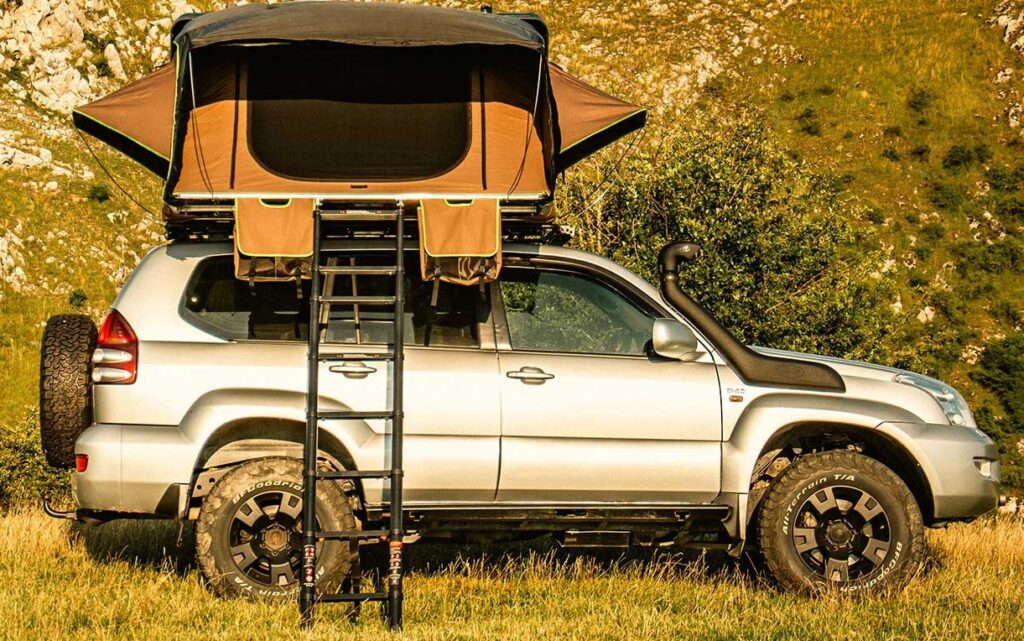
A 4×4 rental in Rwanda can be especially useful for travellers planning to visit national parks, mountain regions, rural areas and destinations away from the main cities.
For travellers interested in exploring Rwanda as part of a wider East African journey, it is also possible to plan routes connecting Rwanda with Uganda, Kenya and Tanzania, subject to vehicle, border and rental requirements.
For longer self-drive adventures, it is important to confirm cross-border permissions, insurance, vehicle documentation and border requirements before departure.
In Conclusion
Gorilla trekking may be the headline experience that brings travellers to Rwanda, but it is only an introduction to what this remarkable country has to offer.
Beyond the mountain gorillas, Rwanda offers chimpanzee tracking in Nyungwe, Big Five game drives in Akagera, golden monkey encounters, volcanic mountain hikes, canopy walks, exceptional birdwatching, Lake Kivu adventures, cultural experiences and opportunities to learn about the country’s conservation and history.
The country’s compact geography makes it possible to combine several of these experiences within a single trip without spending excessive time on long journeys.
So, when planning your Rwanda adventure, don’t simply book your gorilla permit and fly home.
Give yourself a few extra days to explore beyond the gorillas — and discover why Rwanda truly deserves its reputation as the “Land of a Thousand Hills.”