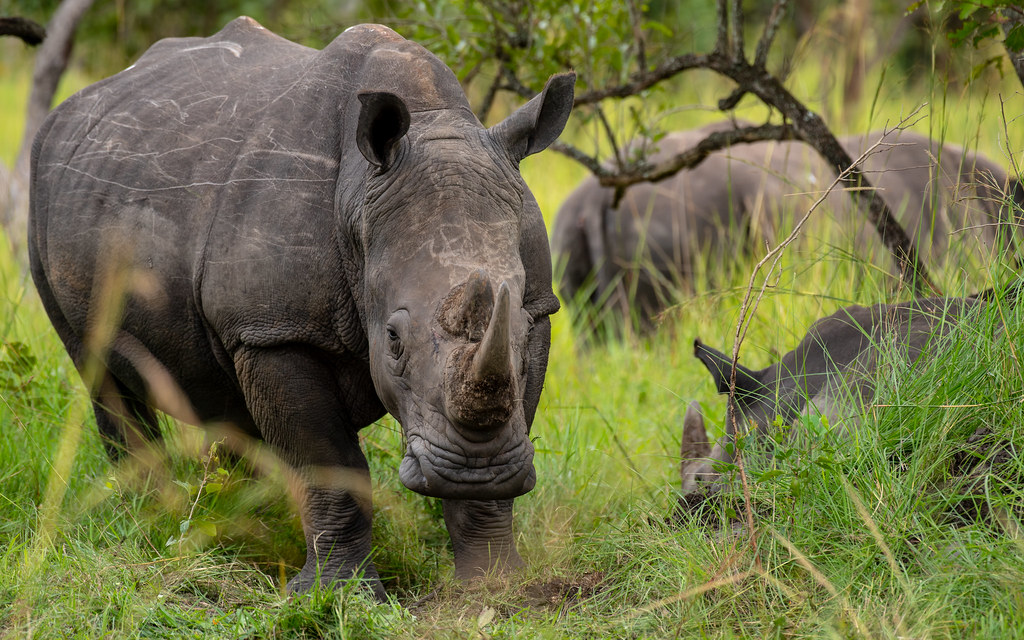
Where to See Rhinos in Rwanda on a Self-Drive Safari
Introduction: Discover Rhinos on a Rwanda Self-Drive Safari
Rwanda is one of East Africa’s most rewarding wildlife destinations, offering visitors the opportunity to explore beautiful landscapes, savannah plains, lakes, forests, and diverse wildlife. Although the country is internationally famous for mountain gorilla trekking in Volcanoes National Park, it also offers excellent opportunities to experience Africa’s savannah wildlife.
For travellers wondering where to see rhinos in Rwanda, the best destination is Akagera National Park, located in eastern Rwanda along the border with Tanzania. This protected wilderness is home to the country’s savannah wildlife, including black and white rhinoceroses, elephants, lions, giraffes, zebras, buffaloes, and numerous antelope species.
A Rwanda self-drive safari gives independent travellers the flexibility to explore Akagera at their own pace, stop at designated wildlife-viewing locations, enjoy scenic landscapes, and spend time searching for animals in their natural environment. With a suitable 4×4 rental vehicle, careful planning, and enough time in the park, visitors can experience one of Rwanda’s most exciting wildlife adventures.
1. Akagera National Park: The Best Place to See Rhinos in Rwanda
Akagera National Park is Rwanda’s principal savannah wildlife reserve and the country’s leading destination for travellers hoping to see rhinos. The park covers a diverse landscape of open grasslands, wooded savannah, rolling hills, wetlands, and lakes.
The reintroduction of rhinoceroses has helped restore Akagera’s wildlife diversity. Both black rhinos and white rhinos are present in the park, making it an important conservation destination.
Unlike a zoo or enclosed wildlife attraction, Akagera offers the opportunity to look for rhinos roaming in a protected natural environment. However, these animals move across large areas, and sightings cannot be guaranteed.
What wildlife can you see in Akagera?
Besides rhinos, visitors may encounter a variety of iconic African animals, including:
- African elephants
- Lions
- African buffaloes
- Giraffes
- Zebras
- Hippopotamuses
- Crocodiles
- Impalas and other antelope species
- Numerous waterbirds and other bird species
Akagera is an excellent destination for travellers who want to combine rhino watching with a broader wildlife safari.
2. Black Rhinos and White Rhinos in Rwanda
One of the most exciting aspects of visiting Akagera National Park is the opportunity to learn about two different rhinoceros species.
Black rhinos
Black rhinos are critically endangered and are known for their relatively pointed, hooked upper lips, which help them browse shrubs and branches. They are generally more elusive than many other large savannah animals and can be difficult to spot in thick vegetation.
Seeing a black rhino in the wild can be a memorable highlight of a Rwanda wildlife safari.
White rhinos
White rhinos are larger-bodied animals with broad, square-shaped mouths adapted for grazing on grasses. Their size and grazing behaviour can sometimes make them easier to observe in open grassland habitats, although sightings still depend on their location and movements.
Akagera’s rhino conservation programme contributes to Rwanda’s wider efforts to protect endangered wildlife and restore natural ecosystems.
Important: Rhinos are wild animals and must be observed responsibly. Visitors should remain inside their vehicles unless park officials explicitly permit otherwise, maintain a safe distance, and follow all instructions from park authorities.
3. Can You See Rhinos on a Rwanda Self-Drive Safari?
Yes. Akagera National Park permits self-drive wildlife exploration, subject to park regulations, vehicle requirements, and current access conditions.
A self-drive safari is particularly suitable for independent travellers who enjoy planning their own routes and spending time searching for wildlife without following a fixed group itinerary.
With a rental vehicle, you can explore the park’s designated roads, stop at authorised viewpoints, photograph wildlife from appropriate distances, and travel between different habitats.
However, ordinary self-driving does not guarantee a rhino sighting. Rhinos may remain hidden in vegetation or move into areas where sightings are difficult. For travellers whose main priority is seeing rhinos, contacting park management in advance about current sightings and any available specialist tracking activities is recommended.
What vehicle should you rent?
For a comfortable and flexible self-drive safari in Rwanda, consider a suitable high-clearance 4×4 vehicle.
Possible vehicle categories include:
- Toyota RAV4 or a similar compact 4×4 for travellers seeking an economical option, subject to road conditions and rental terms.
- Toyota Land Cruiser Prado for additional comfort and ground clearance.
- Toyota Land Cruiser or another suitable safari 4×4 for travellers who prefer a more rugged vehicle.
Choose your vehicle according to the season, road conditions, number of passengers, luggage, and your wider Rwanda itinerary. A large safari vehicle is not automatically necessary for every visitor, but suitable ground clearance and reliable vehicle support are important.
Before booking, confirm whether the rental company permits travel inside Akagera National Park and whether any restrictions apply to your chosen vehicle.
4. Best Time to See Rhinos in Akagera National Park
Rhinos live in Akagera throughout the year, but weather and vegetation can influence how easy it is to observe wildlife.
Dry season
The drier months are often favourable for wildlife viewing because vegetation may be less dense and some animals gather around available water sources. Road conditions may also be easier than during periods of heavy rainfall.
Travellers seeking a wildlife-focused itinerary may prefer to plan around the drier periods, while remembering that individual rhino sightings are never guaranteed.
Wet season
During rainy periods, Akagera’s scenery can become especially green and attractive for photography. Birdwatching can also be rewarding.
However, tall grass and thick vegetation may make some animals more difficult to see, and muddy roads can affect driving conditions. Check the park’s latest road guidance before setting out in a rental vehicle.
What time of day is best?
Early morning and late afternoon are generally productive periods for wildlife viewing. Plan your game drives around the park’s permitted operating hours and allow enough time to return to your accommodation or exit the park safely.
5. How to Plan a Self-Drive Rhino Safari from Kigali
Kigali is a convenient starting point for a road trip to Akagera National Park. The drive generally takes a few hours, depending on your starting point, traffic, chosen entrance, and road conditions.
A practical self-drive itinerary should allow time for the journey, park entry procedures, wildlife viewing, and overnight accommodation.
Day 1: Kigali to Akagera National Park
Collect your rental car in Kigali and travel east towards Akagera. Confirm your entry arrangements and accommodation before departure.
Depending on your arrival time, you may have time for a short game drive if permitted by the park’s operating schedule. Otherwise, settle into your accommodation and prepare for an early start the following morning.
Day 2: Rhino and wildlife viewing in Akagera
Spend the day exploring the park’s permitted roads and wildlife-viewing areas.
Look for rhinos alongside other animals, including elephants, giraffes, zebras, buffaloes, and antelope. Because sightings depend on wildlife movements, avoid rushing from one location to another simply to cover distance.
If seeing rhinos is your main objective, ask park management about recent sightings and whether a specialist tracking activity is available for your dates.
Day 3: Additional game drive and return to Kigali
Enjoy another morning game drive if your schedule and park rules allow. Additional time in the park gives you another opportunity to explore different habitats and search for wildlife.
After your visit, return to Kigali or continue with a longer Rwanda road trip.
A two-night stay near or inside the park is a useful starting point for travellers who want to explore without rushing.
6. Where to Stay During a Rhino Safari in Rwanda
Akagera offers a range of accommodation options in and around the park, from campsites and tented accommodation to more comfortable safari lodges.
Your best choice depends on your budget, travel style, and whether you want to maximise your time inside the park.
When booking, consider:
- Distance from the entrance you plan to use.
- Whether meals are included.
- Availability of camping facilities.
- Access to electricity and other essential services.
- Current entry arrangements and the timing of game drives.
- Whether your accommodation can assist with information about wildlife-viewing activities.
Reserve accommodation in advance during busy travel periods, and check current availability directly with the property or park operator.
7. Cost of a Rwanda Self-Drive Rhino Safari
The total cost of a rhino safari depends on the season, accommodation, vehicle category, number of travellers, and length of stay.
Rather than relying on an outdated fixed package price, prepare a budget using current quotations for the following expenses.
| Expense | What to budget for |
|---|---|
| 4×4 car rental | Daily vehicle rate and any applicable delivery or one-way fees |
| Fuel | Fuel for the Kigali–Akagera journey and driving inside the park |
| Park entry | Current visitor and vehicle fees |
| Accommodation | Campsite, lodge, or tented camp |
| Meals and drinks | Food, water, and refreshments |
| Specialist wildlife activity | Any separately booked rhino-tracking or guided activity |
| Insurance and deposit | Rental insurance conditions and refundable security deposit |
Park tariffs, rental rates, and activity availability can change. Confirm the current prices with Akagera National Park and your car rental provider before making a booking.
For budget-conscious travellers, comparing the total rental cost of a suitable compact 4×4 with that of a larger safari vehicle can help identify the most economical option for your itinerary.
8. Essential Tips for a Safe Rhino Self-Drive Safari
A little preparation can make your Akagera visit more enjoyable.
Book your rental vehicle in advance. Confirm the vehicle category, insurance, deposit, mileage allowance, and permission to enter Akagera National Park.
Check the park’s current regulations. Verify entrance fees, operating hours, road restrictions, and any requirements for self-drive visitors.
Carry your driving documents. Bring your valid driving licence and any other documents required by your rental company and local authorities.
Drive slowly and carefully. Wildlife may cross the road unexpectedly. Follow posted speed limits and all park instructions.
Never approach rhinos on foot. Remain in your vehicle unless park officials explicitly authorise you to leave it.
Carry water and essential supplies. Mobile coverage may be limited in some areas, so plan your journey and keep your phone charged.
Do not depend on a single sighting location. Rhinos roam freely, and their movements are unpredictable. Allow enough time for more than one game drive.
9. Combine Rhino Watching with Other Rwanda Experiences
A rhino safari in Akagera can be combined with other destinations to create a more complete Rwanda holiday.
Kigali city tour
Explore Rwanda’s capital, discover its history, visit local markets, and enjoy its restaurants and cafés before or after your wildlife trip.
Volcanoes National Park
Extend your road trip to the northwestern part of Rwanda for mountain gorilla trekking, subject to obtaining the necessary permits. Gorilla trekking requires advance planning and is a different experience from savannah wildlife viewing.
Lake Kivu
Continue west to enjoy scenic lakeside landscapes, relaxation, and opportunities to explore Rwanda’s western region.
Nyungwe Forest National Park
Consider a longer journey to southwestern Rwanda for forest walks, birdwatching, and other rainforest experiences. Check the current activity options and road conditions when planning your route.
These destinations offer different landscapes and wildlife experiences, allowing you to combine a savannah safari with Rwanda’s mountains, forests, and lakes.
10. Book a 4×4 Rental for Your Rwanda Rhino Safari
Planning to see rhinos in Rwanda? A reliable rental vehicle gives you the freedom to travel from Kigali to Akagera National Park and explore the permitted game-drive routes at your own pace.
When choosing a car rental company, compare vehicle condition, insurance cover, roadside assistance, mileage policies, park access permissions, and the support available if you encounter a problem on the road.
For an independent wildlife adventure, consider a 4×4 car rental in Rwanda that matches your budget and route. Whether you prefer a compact high-clearance vehicle or a more capable safari 4×4, confirm the vehicle’s suitability before departure.
If your trip includes several national parks or a longer cross-country road journey, ask your rental provider about one-way rentals, border-crossing permissions, and any additional fees.
Ready to plan your trip? Contact self drive Rwanda to request a quotation for your travel dates and arrange a suitable vehicle for your Akagera wildlife adventure.
Frequently Asked Questions About Seeing Rhinos in Rwanda
Where is the best place to see rhinos in Rwanda?
Akagera National Park in eastern Rwanda is the country’s principal destination for seeing black and white rhinos in a protected savannah environment.
Can I see rhinos in Rwanda without joining a guided safari?
Yes. Akagera permits self-drive exploration under its applicable regulations. However, sightings are not guaranteed, and a guided or specialist tracking activity may be worth investigating if rhinos are your main priority.
Are both black and white rhinos found in Rwanda?
Yes. Both black and white rhinos have been reintroduced to Akagera National Park.
How many days do I need for a rhino safari in Rwanda?
Two to three days is a useful starting point. This allows time to travel from Kigali, explore the park, and make more than one attempt at wildlife viewing.
Do I need a 4×4 to visit Akagera National Park?
A suitable high-clearance 4×4 is a sensible option for a self-drive safari, particularly during wet weather. Check current road conditions, park requirements, and your rental company’s vehicle restrictions before travelling.
Is it guaranteed that I will see a rhino in Akagera?
No. Rhinos roam freely, and sightings depend on their movements, vegetation, weather, and other conditions. Contact park management before your visit for current guidance.
Can I combine rhino watching with gorilla trekking in Rwanda?
Yes. You can combine Akagera’s savannah wildlife with mountain gorilla trekking in Volcanoes National Park. Plan sufficient driving time and arrange your gorilla trekking permit in advance.
What should I bring on a Rwanda self-drive safari?
Carry your driving documents, booking confirmations, water, suitable clothing, sun protection, a charged phone, and any required park documentation. Binoculars and a camera are useful for wildlife viewing.
Conclusion: Explore Rwanda’s Wild Side on a Self-Drive Safari
Akagera National Park is the best place to begin your search for rhinos in Rwanda. With its savannah landscapes, lakes, wetlands, and diverse wildlife, the park offers an exciting experience for independent travellers who want to explore Rwanda beyond its famous gorilla trekking destinations.
A well-planned self-drive safari gives you the flexibility to explore at your own pace, enjoy multiple game drives, and search for black and white rhinos in their natural habitat. Choose a suitable rental vehicle, confirm park regulations, book accommodation in advance, and allow enough time to appreciate the park.
Start planning your Rwanda self-drive safari and discover the country’s remarkable wildlife, one road trip at a time.