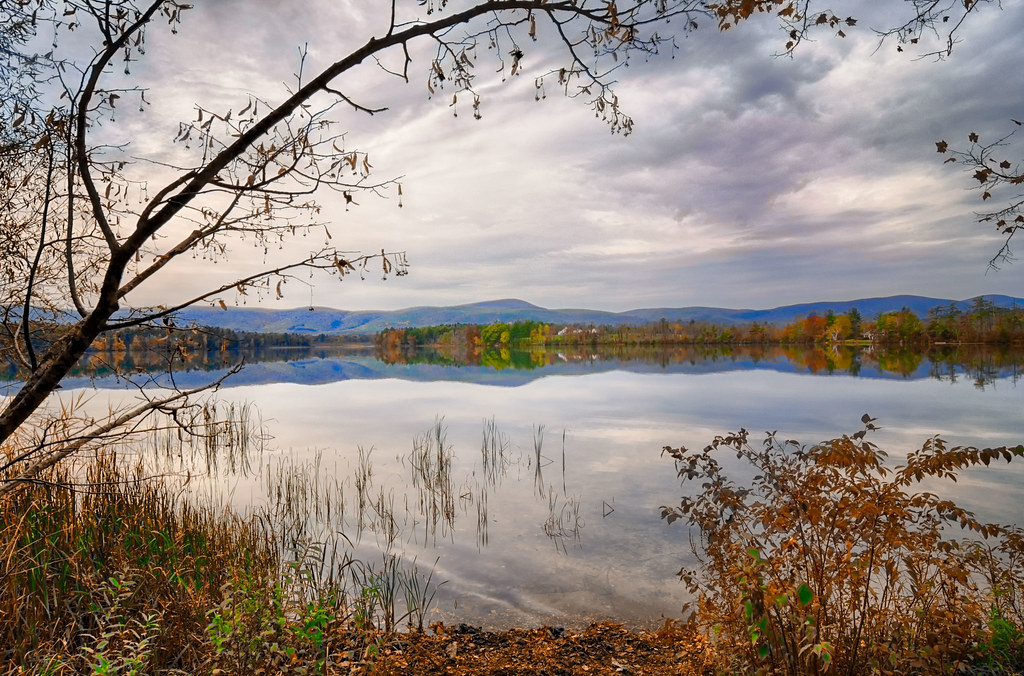
The Twin Lakes of Rwanda: Lake Burera and Lake Ruhondo – Complete Travel Guide
Nestled beneath the dramatic Virunga Mountains in northern Rwanda, Lake Burera and Lake Ruhondo, collectively known as the Twin Lakes of Rwanda, are among the country’s most beautiful and rewarding destinations.
Surrounded by lush green hills, volcanic peaks, terraced farmland, fishing communities, and tranquil blue waters, the Twin Lakes offer a peaceful contrast to the adventure and excitement of gorilla trekking in Volcanoes National Park.
For travellers exploring northern Rwanda, a visit to Lake Burera and Lake Ruhondo provides an opportunity to slow down, enjoy spectacular scenery, discover rural Rwandan life, take a boat ride, explore local communities, and photograph some of the country’s most impressive landscapes.
The Twin Lakes are particularly convenient to visit before or after gorilla trekking, golden monkey tracking, or a cultural tour around Musanze.
If you are planning a Rwanda safari, the Twin Lakes deserve a place on your itinerary.
Where Are the Twin Lakes Located?
Lake Burera and Lake Ruhondo are located in northern Rwanda, in and around Burera District, close to Musanze and the Virunga Mountains.
The lakes lie approximately 20–30 kilometres from Musanze town, depending on the particular lakeside location or viewpoint you visit, while Kigali is roughly 110–120 kilometres away by road.
The area is dominated by the spectacular volcanic landscape of the Virunga Mountains. On clear days, travellers can enjoy views toward volcanic peaks including Mount Muhabura, Mount Gahinga and Mount Sabyinyo.
The fertile volcanic soils surrounding the lakes support intensive agriculture, and the hillsides are dotted with farms, homes and small villages.
This combination of water, volcanoes, cultivated hills and rural communities creates an exceptionally scenic part of Rwanda.
Why Are They Called the Twin Lakes?
Lake Burera and Lake Ruhondo are called the Twin Lakes because of their close proximity and geographical relationship.
Although they are two separate lakes, they are connected through a natural water system and share a remarkably similar volcanic setting.
Lake Burera is the larger and generally higher of the two, while Lake Ruhondo is situated at a lower elevation. Water flows from Burera toward Ruhondo, contributing to the distinctive landscape and hydrological system of the area.
The lakes are also associated with the Ntaruka hydropower system, which has played an important role in Rwanda’s electricity generation.
Together, Burera and Ruhondo form one of northern Rwanda’s most recognizable natural landscapes.
How Were Lake Burera and Lake Ruhondo Formed?
The Twin Lakes are closely associated with the volcanic history of the Virunga region.
Ancient volcanic activity altered the landscape by creating lava barriers and changing existing drainage systems. Over time, water accumulated in the resulting depressions, contributing to the formation of the lakes.
Their volcanic origins help explain the dramatic scenery surrounding them today.
The combination of volcanic mountains, deep freshwater lakes and fertile soils has created an environment that is both visually spectacular and highly productive for surrounding communities.
The lakes also contain several inhabited islands, where local people continue to farm, fish and live traditional rural lifestyles.
What Makes the Twin Lakes Special?
The Twin Lakes offer something quite different from Rwanda’s more famous attractions.
Spectacular Volcanic Scenery
The biggest attraction is the scenery.
Calm blue waters are surrounded by steep green hills, cultivated slopes and the towering Virunga volcanoes. When the mountains are visible, their reflections on the lake can create spectacular photographic opportunities.
Peaceful Atmosphere
Unlike some of Rwanda’s major tourist attractions, the Twin Lakes can feel remarkably peaceful.
There are no large crowds, allowing visitors to enjoy the landscape at a slower pace.
Authentic Rural Rwanda
The communities around the lakes provide an opportunity to see another side of Rwanda.
Farmers cultivate the fertile hillsides, fishermen work on the lakes, and villages extend along the surrounding countryside.
A visit can therefore combine sightseeing with an introduction to everyday rural life.
Excellent Photography
The Twin Lakes are particularly attractive to photographers.
The combination of water, volcanoes, hills, boats, villages and changing weather provides countless compositions.
Early mornings can offer soft light and calm water, while late afternoons create warm colours across the surrounding hills.
Things to Do at the Twin Lakes
There are several ways to enjoy Lake Burera and Lake Ruhondo.
1. Take a Scenic Boat Ride
A boat trip is one of the best ways to experience the Twin Lakes.
Traditional boats and small motorized boats can take visitors onto the water, providing panoramic views of the surrounding mountains and countryside.
From the lake, you can appreciate the scale of the volcanic landscape while observing fishing activities and rural communities along the shoreline.
Depending on the arrangement and duration, boat excursions may also include visits to islands and scenic viewpoints.
Boat-trip prices can vary according to the operator, duration and type of boat, so travellers should confirm the current rate locally before booking.
2. Visit the Islands
Several islands are scattered across the lakes.
These islands provide an interesting glimpse into rural island life, with agriculture, homes and fishing activities forming part of the local landscape.
Visiting an island with a local guide can provide a deeper understanding of how communities have adapted to living around the lakes.
3. Enjoy Photography and Sightseeing
Photography is one of the easiest and most rewarding activities at the Twin Lakes.
Look for viewpoints overlooking both lakes, reflections of the volcanoes, traditional boats on the water and terraced farmland climbing the surrounding hills.
Sunrise and sunset are particularly attractive times for photography.
4. Go Bird Watching
The freshwater environment and surrounding vegetation provide habitat for a variety of bird species.
Depending on the season and location, birdwatchers may encounter kingfishers, herons, egrets, cormorants, weavers, hammerkops and other water-associated and woodland species.
A pair of binoculars is highly recommended for visitors interested in bird watching.
5. Take a Guided Nature Walk
Walking around the Twin Lakes allows travellers to experience the landscape at a much slower pace.
Guided walks can pass through farmland, villages and hills overlooking the lakes.
Along the way, visitors can learn about local agriculture, traditional lifestyles and the natural environment.
Some walks lead to elevated viewpoints with impressive panoramas over the lakes and Virunga Mountains.
6. Experience Local Culture
The Twin Lakes are surrounded by communities whose livelihoods are closely connected to farming and fishing.
Cultural experiences may include village visits, conversations with local residents, traditional performances, handicraft demonstrations and opportunities to learn about agriculture and daily life.
These experiences can add an important cultural dimension to a Rwanda safari.
7. Enjoy a Relaxing Lakeside Escape
Not every experience needs to be adventurous.
The peaceful environment makes the Twin Lakes an excellent place to relax after a demanding gorilla trek.
Spend time beside the water, enjoy a picnic, read a book, photograph the scenery or simply take in the quiet surroundings.
Combining the Twin Lakes with Gorilla Trekking
One of the biggest advantages of visiting Lake Burera and Lake Ruhondo is their proximity to Volcanoes National Park.
Many travellers combine the Twin Lakes with a gorilla trekking experience.
A typical northern Rwanda itinerary could include:
- Arrival in Kigali
- Kigali city tour
- Transfer to Musanze
- Twin Lakes excursion
- Gorilla trekking in Volcanoes National Park
- Golden monkey trekking
- Cultural experience
- Return to Kigali
This combination allows travellers to experience Rwanda’s volcanoes, lakes, forests, wildlife and local communities within a relatively compact itinerary.
How to Reach the Twin Lakes
The Twin Lakes are easily accessible by road and can be incorporated into a Rwanda self-drive or guided safari itinerary.
From Kigali
The journey from Kigali to the Twin Lakes generally takes around 3–4 hours, depending on your destination around the lakes and road conditions.
The route passes through some of Rwanda’s scenic countryside before reaching Musanze and continuing toward the lakes.
A private 4×4 vehicle is particularly convenient for travellers who want flexibility with stops, viewpoints and photography.
From Musanze
Musanze is the principal gateway to the Twin Lakes.
Depending on which part of Burera or Ruhondo you are visiting, the drive can take approximately 30–60 minutes.
Travellers can arrange private transfers, taxis, motorcycles or tour vehicles.
For visitors staying around Musanze, the Twin Lakes can easily be arranged as a half-day or full-day excursion.
From Uganda
Travellers entering Rwanda from Uganda through the Cyanika border can continue toward Musanze and the Twin Lakes.
The route is particularly convenient for travellers combining Uganda gorilla trekking or Mgahinga Gorilla National Park with a Rwanda itinerary.
Because border procedures, road conditions and travel times can change, travellers should check current requirements and conditions before departure.
Best Time to Visit the Twin Lakes
The Twin Lakes can be visited throughout the year.
However, weather conditions can influence visibility, hiking conditions and the overall experience.
June to September
This is generally one of the most attractive periods for visiting northern Rwanda.
The relatively drier weather can provide better road conditions and clearer views of the Virunga Mountains.
It is an excellent period for:
- Boat trips
- Hiking
- Photography
- Gorilla trekking
- Scenic drives
- Cultural excursions
December to February
The shorter dry season is another good period to visit.
The weather is often favourable for outdoor activities, although occasional rainfall can still occur.
March to May
These months form part of Rwanda’s longer rainy season.
Rain can make some walking trails muddy, but the countryside becomes exceptionally green and lush.
For photographers, the dramatic skies and vibrant landscapes can make this an attractive time to visit.
October to November
The shorter rains can bring occasional showers.
However, travellers who don’t mind changing weather can still enjoy the Twin Lakes, especially when the surrounding hills are covered in fresh green vegetation.
Where to Stay Near the Twin Lakes
Travellers have several accommodation options around Musanze, Ruhengeri and the lakes.
Musanze Town
Musanze has the widest selection of hotels and guesthouses and is an excellent base for exploring the Twin Lakes and Volcanoes National Park.
Staying in Musanze is particularly convenient for travellers combining the lakes with gorilla trekking or golden monkey trekking.
Lakeside Accommodation
Some properties around Lake Ruhondo and Lake Burera offer a more secluded experience.
Lakeside accommodation is ideal for travellers who want to wake up to views of the water and surrounding volcanoes.
Volcanoes National Park Area
Travellers undertaking gorilla trekking may prefer to stay closer to the park.
This provides easy access to the park headquarters for early-morning trekking activities while still allowing time to visit the Twin Lakes.
When choosing accommodation, consider whether your priority is lakeside scenery, proximity to the gorilla trekking starting point, budget or access to restaurants and other services.
How Many Days Do You Need?
A visit to the Twin Lakes can be completed as a half-day or full-day excursion.
However, staying overnight provides a more relaxed experience.
One Day
A one-day visit can include:
- Scenic drive to the lakes
- Boat ride
- Photography
- Village or island visit
- Return to Musanze
Two Days
With two days, travellers can combine the Twin Lakes with another northern Rwanda experience, such as:
- Gorilla trekking
- Golden monkey trekking
- Volcanoes National Park
- Cultural activities
- Musanze sightseeing
For most international visitors, combining the Twin Lakes with gorilla trekking is the most efficient option.
Twin Lakes and Rwanda Self-Drive
The Twin Lakes are also an excellent destination for travellers who prefer exploring Rwanda independently.
Rwanda’s compact size makes it possible to combine several destinations without spending excessive amounts of time on the road.
A self-drive itinerary could connect:
Kigali → Musanze → Twin Lakes → Volcanoes National Park → Lake Kivu → Nyungwe National Park → Kigali
A reliable 4×4 vehicle gives travellers greater flexibility to stop at viewpoints, explore rural roads and adjust their itinerary according to weather and interests.
Before setting out, however, travellers should confirm park regulations, road conditions, border requirements and accommodation arrangements.
Practical Tips for Visiting the Twin Lakes
Carry Rain Protection
Weather around the Virunga Mountains can change quickly. Carry a waterproof jacket even during the drier months.
Wear Comfortable Shoes
If you plan to walk through villages or take nature trails, comfortable and sturdy footwear is recommended.
Bring Binoculars
The lakes and surrounding vegetation provide good opportunities for bird watching.
Carry a Camera
The combination of volcanoes, water, hills and rural landscapes makes the Twin Lakes one of northern Rwanda’s best photography destinations.
Respect Local Communities
Ask permission before photographing people, homes or private activities.
Use a Local Guide
A knowledgeable local guide can transform a simple sightseeing trip into a much richer experience by explaining the history, culture and environment of the area.
Frequently Asked Questions About the Twin Lakes
What are the Twin Lakes in Rwanda?
The Twin Lakes are Lake Burera and Lake Ruhondo, two scenic freshwater lakes in northern Rwanda near Musanze and the Virunga Mountains.
Are Lake Burera and Lake Ruhondo worth visiting?
Yes. They are especially worthwhile for travellers interested in scenic landscapes, photography, bird watching, cultural experiences and peaceful outdoor activities.
How far are the Twin Lakes from Musanze?
The lakes are approximately 20–30 kilometres from Musanze, depending on the specific location being visited. Driving time is generally around 30–60 minutes.
How far are the Twin Lakes from Kigali?
The Twin Lakes are roughly 110–120 kilometres northwest of Kigali by road, with the journey generally taking around 3–4 hours depending on traffic, road conditions and the exact lakeside destination.
Can I take a boat ride on the Twin Lakes?
Yes. Boat excursions are one of the main activities available around the lakes. Traditional boats and small motorized boats may be available depending on the location and local operators.
Can I combine the Twin Lakes with gorilla trekking?
Absolutely. The Twin Lakes are close to Volcanoes National Park and can easily be incorporated into a gorilla trekking itinerary.
Can I visit the Twin Lakes on a day trip?
Yes. A half-day or full-day excursion from Musanze is possible. However, an overnight stay gives you more time to enjoy the scenery and surrounding communities.
What is the best time to visit the Twin Lakes?
June to September and December to February are generally favourable for outdoor activities and mountain views. However, the rainy seasons can also be rewarding because the landscape becomes exceptionally green.
Are the Twin Lakes safe for swimming?
Swimming conditions and local safety guidance can vary. Visitors should only enter the water where swimming is specifically permitted and should follow local guidance and boat operators’ instructions.
Is a 4×4 vehicle necessary to visit the Twin Lakes?
A 4×4 is not necessarily required for every route, but a reliable vehicle is highly recommended for travellers who want to explore the surrounding countryside and combine the lakes with other destinations in northern Rwanda.
Explore the Twin Lakes with Pendo La Africa Safaris
The Twin Lakes of Lake Burera and Lake Ruhondo are among Rwanda’s most beautiful hidden gems.
From spectacular views of the Virunga Mountains to peaceful boat rides, bird watching, village walks and cultural encounters, the area offers travellers an authentic and relaxing experience away from the country’s busier attractions.
At Self drive Rwanda, we can help you include the Twin Lakes in a tailor-made Rwanda safari, gorilla trekking adventure, cultural tour or self-drive journey.
Whether you are looking for a Rwanda 4×4 rental, a self-drive vehicle, a private guided safari, gorilla trekking arrangements or a complete East African itinerary, our team can help you plan your journey around your travel dates, interests and budget.
Plan Your Rwanda Adventure
Combine the Twin Lakes with gorilla trekking, Volcanoes National Park, Lake Kivu, Nyungwe Forest or a wider East Africa safari.
Contact Rwanda self drive today to plan your Rwanda adventure and discover Lake Burera and Lake Ruhondo for yourself.