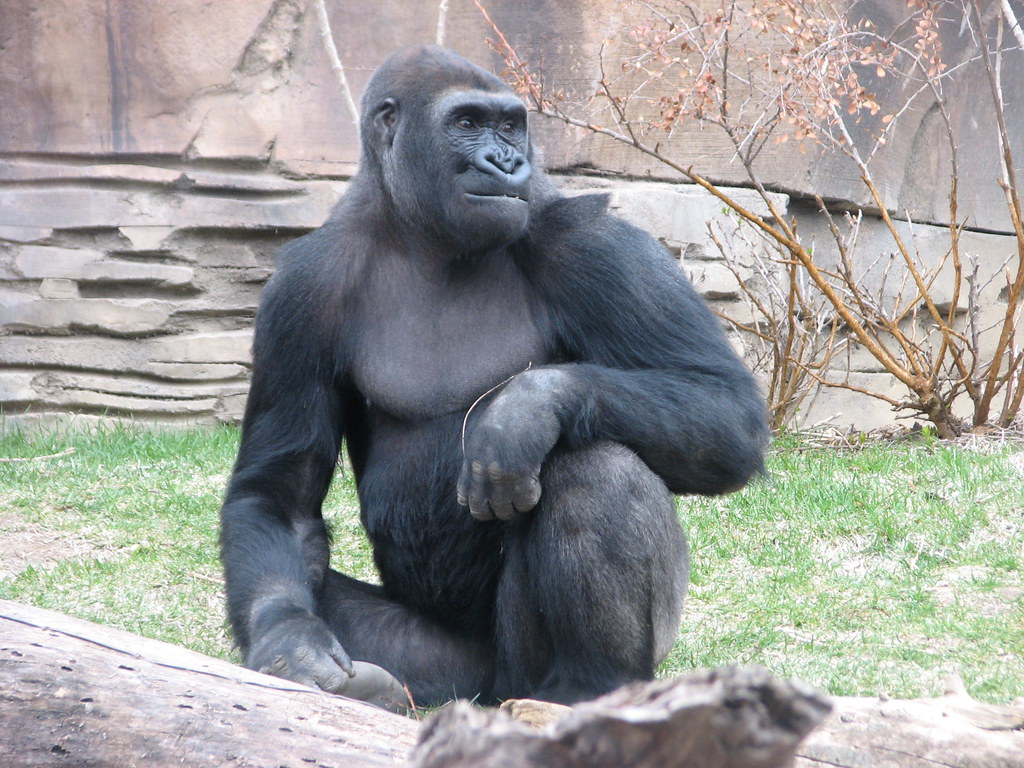
Essential Tips for Preparing for a Mountain Gorilla Trekking Safari
There are wildlife experiences you enjoy, and then there are those that stay with you long after you have returned home.
Mountain gorilla trekking is one of Africa’s most extraordinary wildlife experiences. Imagine walking through a misty rainforest, following a ranger along narrow forest trails, listening to the sounds of birds and insects, and eventually coming face-to-face with a massive silverback, a mother carefully watching over her infant, or playful young gorillas moving through the vegetation. It can feel almost surreal, yet it is a completely real and unforgettable encounter with one of the world’s most remarkable animals.
Mountain gorilla trekking is possible in only three countries: Rwanda, Uganda and the Democratic Republic of Congo (DRC). In Rwanda, trekking takes place in Volcanoes National Park. Uganda is home to mountain gorillas in Bwindi Impenetrable National Park and Mgahinga Gorilla National Park, while the Democratic Republic of Congo has historically offered gorilla trekking in Virunga National Park.
Because mountain gorillas live in high-altitude forests and rugged volcanic landscapes, trekking can be physically demanding. Trails may be steep, muddy and slippery, while weather conditions can change quickly. The gorillas may also be several hours’ walk from the starting point on a particular day.
Good preparation, however, can make the experience much more comfortable and enjoyable.
Here are some of the most important things to know before setting off on your mountain gorilla trekking adventure.
Choose Your Gorilla Trekking Destination Carefully
One of the first decisions you need to make is where you want to trek. Rwanda, Uganda and the Democratic Republic of Congo offer different experiences, landscapes, travel logistics and tourism infrastructure.
Gorilla Trekking in Rwanda
Volcanoes National Park is located in northwestern Rwanda and forms part of the Virunga Massif, a volcanic mountain range shared by Rwanda, Uganda and the Democratic Republic of Congo.
For international travellers, Rwanda is particularly accessible because Volcanoes National Park can be reached from Kigali by road in roughly two to three hours, depending on traffic and road conditions.
The area also has a wide range of accommodation, restaurants, transport services and other tourism facilities, making it relatively straightforward to combine gorilla trekking with other activities in Rwanda.
Travellers can also combine their gorilla experience with activities such as golden monkey tracking, cultural experiences, hiking and visits to other parts of the country.
Gorilla Trekking in Uganda
Uganda offers two destinations for mountain gorilla trekking: Bwindi Impenetrable National Park and Mgahinga Gorilla National Park.
Bwindi is an ancient rainforest famous for its dense vegetation, steep hills and remarkable biodiversity. Gorilla trekking takes place in different sectors of the forest, including Buhoma, Ruhija, Rushaga and Nkuringo.
The different sectors provide travellers with a variety of trekking environments and accommodation options. The sector you choose can also affect your travel logistics, so it is important to plan accommodation and transportation around your assigned trekking location.
Mgahinga Gorilla National Park, meanwhile, is smaller and forms part of the same Virunga ecosystem as Volcanoes National Park. It is an attractive option for travellers who want to combine gorilla trekking with activities such as golden monkey tracking or volcano hiking.
Gorilla Trekking in the Democratic Republic of Congo
The Democratic Republic of Congo has historically offered mountain gorilla trekking in Virunga National Park, another important part of the Virunga ecosystem.
However, security conditions in eastern DRC have had a major impact on tourism operations. Travellers considering this destination should always verify the latest information about park operations and regional security before making travel arrangements.
The availability of permits, accommodation and trekking activities can change depending on local conditions.
Secure Your Gorilla Trekking Permit Early
Once you have selected your destination, securing a gorilla trekking permit should be one of your highest priorities.
Only a limited number of visitors are permitted to visit habituated gorilla groups each day. This helps limit human pressure on the animals and supports responsible wildlife tourism.
Permit prices vary considerably between countries and visitor categories, and they can also change over time. Travellers should therefore confirm the current official rate before booking.
As a general reference, Rwanda has traditionally had a higher standard international gorilla permit price than Uganda, while Uganda has offered more affordable standard permits. Uganda also has a separate gorilla habituation experience that allows considerably more time with a gorilla group than a standard trek.
Virunga National Park in the DRC has historically offered lower permit prices, but availability depends on whether tourism operations are open and whether conditions are considered safe for visitors.
Gorilla permits are usually arranged through the relevant wildlife authority or an authorised tour operator. Booking well in advance is particularly important during busy travel periods, including the June-to-September and December-to-February periods.
Once your permit is confirmed, you can build the rest of your itinerary around your trekking date.
Prepare Physically for the Trek
Gorilla trekking is not simply a stroll through a forest.
Treks can involve steep slopes, thick vegetation, muddy trails, slippery surfaces and high elevations. Depending on where the gorilla family is located on the day of your trek, you may spend several hours walking through the forest.
The exact duration and difficulty cannot normally be guaranteed in advance because gorillas are wild animals and move through their natural habitat.
You can prepare by improving your general fitness in the weeks before your trip.
Walking regularly, hiking on uneven terrain and practising on hills can help prepare your legs and cardiovascular system. If you are not accustomed to hiking, gradually increase the length and difficulty of your walks rather than attempting a strenuous trek immediately before your safari.
Travellers with medical conditions that could be affected by strenuous exercise or high altitude should seek appropriate medical advice before travelling.
And remember: you do not need to be an elite athlete to enjoy gorilla trekking. Rangers and porters can provide assistance, and trekking groups generally move at a manageable pace.
Pack the Right Trekking Gear
The right clothing and equipment can make a major difference to your comfort.
Mountain gorilla habitats are often wet, humid and cool, particularly at higher elevations. Rain can also arrive unexpectedly.
Essential items include:
- Sturdy waterproof hiking boots
- Waterproof hiking trousers
- Waterproof jacket or rain poncho
- Long trousers
- Long-sleeved shirts
- Gardening or lightweight hiking gloves
- Warm fleece or lightweight jacket
- Comfortable daypack
- Reusable water bottle
- High-energy snacks
- Insect repellent
- Sunscreen
- Hat
- Camera and spare batteries
- Gaiters
- Walking stick or trekking pole
Long trousers and long sleeves are particularly useful because the forest can contain stinging plants, insects and thorny vegetation.
A pair of gardening gloves can also be surprisingly useful when moving through thick vegetation or using branches for support on steep sections.
Gaiters help prevent mud, water and small insects from getting into your boots.
Walking sticks are often available at the park headquarters or can be arranged through your guide.
Take Gorilla Health Rules Seriously
Gorilla trekking is governed by strict rules designed to protect both visitors and the gorillas.
Mountain gorillas are closely related to humans and can be vulnerable to certain human respiratory illnesses. For this reason, visitors who are unwell may be asked not to participate in a trek.
The minimum age for standard gorilla trekking is generally 15 years, although travellers should confirm the current regulations with the relevant wildlife authority before booking.
When you reach a gorilla family, your ranger will explain the specific rules you must follow.
These generally include:
- Maintain the required distance from the gorillas.
- Avoid sudden movements.
- Keep your voice low.
- Do not use flash photography.
- Never feed the gorillas.
- Do not touch the gorillas, even if one approaches you.
- Follow the ranger’s instructions at all times.
- Avoid participating in a trek when you are sick.
- Follow all current park health and conservation regulations.
The rules are not merely formalities. They help reduce stress and disease risks for the gorillas while also helping keep visitors safe around powerful wild animals.
Consider Hiring a Porter
Even if you are physically fit, hiring a porter can make your gorilla trekking experience easier.
A porter can carry your backpack, water and other personal items, leaving you free to concentrate on the trail and the surrounding forest. Porters can also provide physical assistance on particularly steep or muddy sections.
There is another important reason to hire one: community support.
Many people living around gorilla habitats depend directly or indirectly on tourism. Porter employment provides an opportunity for tourism revenue to reach local communities.
Hiring a porter is therefore not simply about carrying your bag. It can also be a practical way to contribute to the communities living alongside these important conservation areas.
Book Accommodation Close to the Trekking Point
Where you stay can have a significant impact on your trekking experience.
Accommodation around the gorilla parks ranges from simple guesthouses and budget lodges to comfortable mid-range properties and luxury eco-lodges.
Try to choose accommodation that is reasonably close to the relevant park headquarters or trekking sector.
This is especially important because you normally need to report for registration and briefing early in the morning.
Staying nearby means you can avoid a long drive before your trek and have more time to prepare for the day’s adventure.
In Uganda, it is particularly important to confirm the sector of your gorilla trek before choosing your accommodation because Bwindi is extensive and the different trekking sectors are separated by considerable distances.
Plan Your Transport Carefully
Getting to the gorilla trekking destination is an important part of your itinerary.
Travellers visiting Rwanda can usually reach Volcanoes National Park from Kigali by road. Uganda’s Bwindi and Mgahinga destinations generally require longer road journeys depending on your arrival point and itinerary.
You can arrange private transfers, use a tour vehicle, or in some circumstances use a suitable self-drive rental vehicle.
For travellers planning a broader East African adventure, gorilla trekking can be combined with wildlife safaris and road trips through countries such as Uganda, Rwanda, Kenya and Tanzania, subject to border, vehicle and permit requirements.
However, avoid scheduling your gorilla trek immediately after a long international journey or exhausting road transfer. Giving yourself enough time to arrive, rest and acclimatise can make the experience much more enjoyable.
Build Time for Other Activities
Gorilla trekking can be the highlight of a trip, but the surrounding regions offer many other experiences.
In Rwanda, you can combine gorilla trekking with golden monkey tracking, cultural experiences, hiking and visits to Kigali and other destinations.
In Uganda, travellers can extend their itinerary to include chimpanzee trekking in Kibale Forest, Queen Elizabeth National Park, Murchison Falls National Park, Lake Bunyonyi and other attractions.
A longer East African itinerary can also combine Uganda or Rwanda with Kenya and Tanzania for a wider wildlife experience.
For example, travellers can combine primate experiences in Uganda or Rwanda with classic savannah safaris in Kenya and Tanzania.
This approach allows you to experience the diversity of East Africa rather than concentrating the entire trip around one activity.
Budget Beyond the Gorilla Permit
The gorilla permit is usually the largest single expense associated with the experience, but it is not the only cost.
Your overall budget should consider:
- Gorilla trekking permit
- International flights
- Visas
- Accommodation
- Meals
- Airport and hotel transfers
- Private transport or car rental
- Park fees
- Porter fees
- Tips for guides and rangers
- Tips for lodge staff
- Travel insurance
- Additional activities
- Personal spending
Luxury gorilla safari packages can become considerably more expensive because of premium accommodation, private transportation and additional services.
Budget-conscious travellers can reduce costs by choosing simpler accommodation, travelling with a small group or combining several activities into one itinerary.
It is also useful to carry some local currency and small denominations for tips and purchases, although payment options vary considerably between destinations and establishments.
Respect the Forest and Local Communities
Gorilla trekking takes place within sensitive ecosystems that are home to much more than gorillas.
You may encounter birds, monkeys, insects, plants and other wildlife during your trek. Do not remove plants, flowers, rocks or other natural materials from the forest.
Avoid leaving litter behind and follow the instructions of your ranger throughout the trek.
Respecting local communities is equally important.
Many communities around gorilla habitats have developed strong connections with tourism and conservation. Purchasing locally made crafts, using local services and choosing tourism operators that employ local guides, drivers and other staff can help spread tourism benefits beyond the park.
A responsible traveller should remember that the gorillas’ habitat is also part of the environment in which local communities live and work.
Understand That Gorillas Are Wild Animals
One of the most important things to remember is that gorillas are not zoo animals.
Although habituated gorilla families are accustomed to the presence of humans, they remain wild animals.
A silverback can weigh well over 150 kilograms and possesses enormous physical strength. Their calm behaviour during trekking should never be interpreted as an invitation to approach or touch them.
Your ranger is trained to read gorilla behaviour and will tell you where to stand, when to move and how to behave.
Listen carefully and follow instructions immediately.
The best encounter is one in which you observe the gorillas respectfully while allowing them to behave naturally.
Choose a Responsible Gorilla Trekking Operator
If you are booking a complete gorilla safari rather than arranging the permit independently, take time to research your tour operator.
A responsible operator should be transparent about permit costs, accommodation, transportation and other inclusions.
Ask questions about:
- Who arranges the gorilla permit?
- What is included in the safari price?
- What type of vehicle is provided?
- How long are transfers between destinations?
- What accommodation category is included?
- Are park fees included?
- Are porter services available?
- What happens if the trekking conditions change?
- What are the current cancellation conditions?
- Does the operator employ local guides and staff?
Clear communication before departure helps prevent misunderstandings during your trip.
The Best Time for Gorilla Trekking
Gorilla trekking is possible throughout much of the year, and there is no guaranteed season in which the gorillas will be easier to find.
The forests receive rainfall throughout the year, and weather conditions can change rapidly.
Some travellers prefer the drier periods because trails can be easier to navigate, while others choose quieter or lower-season periods.
The most important point is to understand that gorilla trekking remains a rainforest experience. Even during traditionally drier periods, rain is possible.
Pack waterproof clothing regardless of when you travel.
Prepare for an Unpredictable Adventure
One of the most exciting aspects of gorilla trekking is that you cannot completely predict what will happen.
The gorillas do not follow a timetable. A family may remain close to the trailhead on one day and move deep into the forest on another.
You may spend hours walking before finding them, or you may encounter them relatively quickly.
That uncertainty is part of what makes the experience special.
Instead of focusing entirely on how quickly you will reach the gorillas, take time to appreciate the forest itself. Listen to the birds, observe the vegetation and watch for signs of other wildlife.
The journey is part of the adventure.
A Gorilla Trekking Experience You Will Never Forget
Mountain gorilla trekking requires planning, preparation and respect, but the reward is an encounter unlike almost any other wildlife experience.
Walking through an ancient rainforest and eventually finding a gorilla family in its natural environment creates a powerful connection between traveller, wildlife and landscape.
Whether you choose Rwanda’s Volcanoes National Park, Uganda’s Bwindi Impenetrable National Park or Mgahinga Gorilla National Park, careful preparation will help you make the most of your adventure.
Pack appropriately, prepare physically, book your permit early, follow the conservation rules and listen to your ranger.
Most importantly, approach the experience with patience and respect.
The gorillas are not performing for visitors. You are entering their world.
And when you finally sit quietly in the forest watching a silverback, a mother and her young family go about their natural lives, you will understand why mountain gorilla trekking is considered one of Africa’s most unforgettable wildlife experiences.
Frequently Asked Questions About Mountain Gorilla Trekking
How many countries offer mountain gorilla trekking?
Mountain gorilla trekking has historically been available in Rwanda, Uganda and the Democratic Republic of Congo. The availability of trekking in each destination can change, particularly in areas affected by security conditions.
How difficult is gorilla trekking?
The difficulty varies considerably. Some treks are relatively short, while others can involve several hours of walking through steep, muddy and dense forest terrain.
What should I wear for gorilla trekking?
Wear sturdy hiking boots, long trousers, a long-sleeved shirt and waterproof outer clothing. Gardening gloves and gaiters are also useful in wet and dense forest conditions.
Do I need to be very fit?
A reasonable level of fitness is helpful, but you do not need to be an experienced mountaineer. Trekking pace and assistance from rangers and porters can make the experience more manageable.
Can children go gorilla trekking?
The standard minimum age is generally 15 years. Always confirm the current age requirements with the relevant wildlife authority or your authorised tour operator before booking.
How long do I spend with the gorillas?
A standard gorilla trekking encounter generally provides a limited viewing period. Uganda also offers a separate habituation experience that allows visitors substantially more time with a gorilla group, subject to current regulations and availability.
Should I hire a porter?
Yes, if your budget allows. A porter can carry your belongings and assist on difficult sections of the trail while also providing an important source of income for communities surrounding the park.
Can I combine gorilla trekking with a safari?
Yes. Gorilla trekking can be combined with other wildlife and cultural experiences in Rwanda and Uganda and can also form part of a broader East African itinerary involving Kenya and Tanzania.
Is gorilla trekking safe?
Gorilla trekking is conducted under the supervision of trained rangers and guides. However, conditions can vary, particularly in regions affected by security concerns. Always check current travel and park information before travelling.
How far in advance should I book a gorilla permit?
Booking several months ahead is advisable, especially if you are travelling during a busy season or have fixed travel dates. Availability should be confirmed before making non-refundable travel arrangements.