A Complete Guide to Akagera National Park, Rwanda: Wildlife, Big Five Safaris, Activities and Accommodation
Introduction to Akagera National Park
Akagera National Park is Rwanda’s only savannah national park and one of East Africa’s most rewarding destinations for classic African wildlife safaris. Located in the northeastern corner of Rwanda, along the border with Tanzania, the park covers approximately 1,122 square kilometres of rolling hills, open grasslands, acacia woodlands, papyrus swamps, rivers and a beautiful network of lakes.
While Rwanda is internationally renowned for mountain gorilla trekking in Volcanoes National Park, Akagera offers an entirely different wildlife experience. It is the country’s premier destination for traditional African game drives, providing opportunities to encounter some of the continent’s most iconic animals, including lions, elephants, rhinos, leopards and buffaloes.
Beyond the Big Five, visitors can encounter giraffes, zebras, antelopes, hippos, crocodiles, monkeys and hundreds of bird species. Its combination of savannah ecosystems and extensive wetlands makes Akagera one of the most ecologically diverse protected areas in the region.
What makes Akagera particularly remarkable, however, is not only its wildlife but also its inspiring conservation history.
Following the 1994 Genocide against the Tutsi, large numbers of displaced people settled in and around the park. This contributed to increasing pressure on its natural resources, while poaching, habitat destruction and agricultural expansion resulted in significant wildlife losses. By the early 2000s, the park had lost a substantial portion of its original territory, and several important wildlife species, including lions, had disappeared.
A new chapter began in 2010 when the Rwanda Development Board partnered with African Parks to improve the management and conservation of Akagera. The partnership strengthened anti-poaching operations, restored wildlife populations, improved park infrastructure and expanded community conservation programmes.
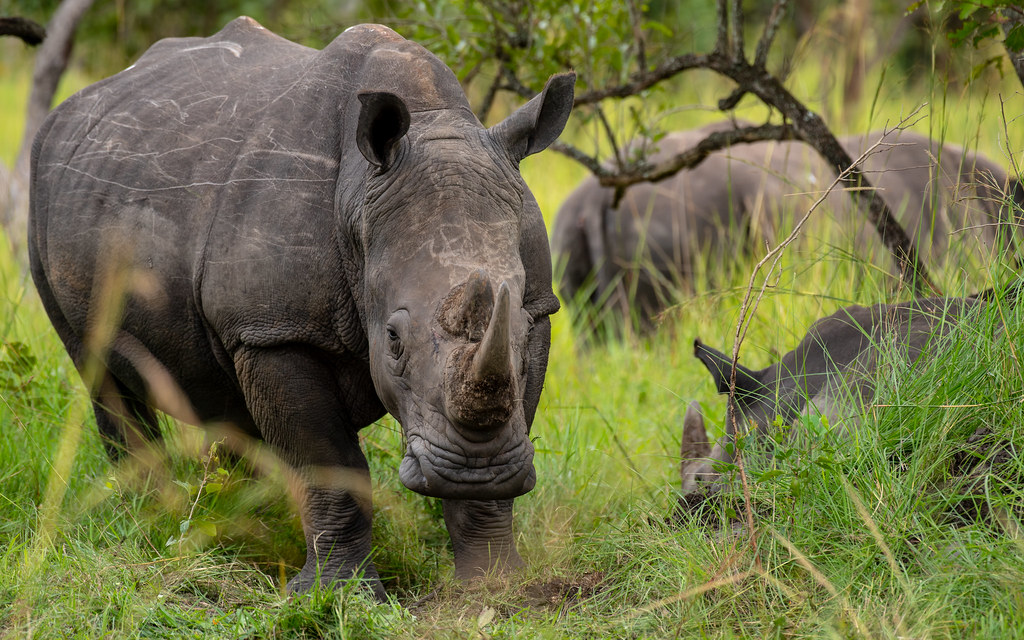
Lions were reintroduced in 2015, followed by eastern black rhinos in 2017 and additional rhino translocations in subsequent years. Southern white rhinos were also introduced, helping restore Akagera as a genuine Big Five safari destination.
Today, Akagera stands as an outstanding example of successful wildlife restoration. Tourism supports conservation activities while creating employment and economic opportunities for surrounding communities.
For travellers seeking an authentic African wildlife adventure, Akagera National Park safari tours offer an opportunity to discover Rwanda beyond its famous mountain gorillas.
Location and Geography of Akagera National Park
Akagera National Park is situated in Rwanda’s Eastern Province, bordering Tanzania to the east. It is approximately 110 kilometres from Kigali, making it one of the most accessible wildlife destinations in the country.
Unlike Rwanda’s mountainous northern and western regions, Akagera features a predominantly savannah landscape characterised by:
- Open grassland plains.
- Rolling hills and valleys.
- Acacia woodland and savannah vegetation.
- Papyrus swamps and wetlands.
- Seasonal rivers and floodplains.
- Forest-fringed lakes.
- Extensive water channels and marshes.
The Akagera River, from which the park derives its name, plays an important role in sustaining its aquatic ecosystems. It feeds a network of lakes and wetlands that support numerous aquatic animals and bird species.
Lake Ihema is among the most prominent lakes and a major attraction for visitors interested in boat safaris. Its waters support large populations of hippos, Nile crocodiles and waterbirds.
The park contains more than ten lakes, surrounded by extensive papyrus wetlands and other aquatic vegetation. This combination of water and terrestrial habitats creates favourable conditions for a remarkable diversity of wildlife.
Getting to Akagera National Park
Akagera is approximately two to three hours by road from Kigali, depending on traffic, road conditions and the park entrance being used.
The journey is relatively straightforward and provides an opportunity to experience Rwanda’s beautiful countryside. Travellers pass through terraced hills, rural settlements and small trading centres before reaching the flatter savannah landscapes of eastern Rwanda.
There are several ways to reach the park.
By Private Safari Vehicle
Most visitors travel to Akagera using private safari vehicles arranged through tour operators. These packages usually include transportation, a professional safari guide and assistance with park entry arrangements.
By Self-Drive Rental Car
Self-driving is another excellent way to explore Akagera. Visitors can hire a suitable 4×4 vehicle in Kigali and drive independently through the park’s designated safari tracks.
A reliable 4×4 car rental in Rwanda is recommended, particularly during the rainy seasons when some interior roads can become muddy and challenging.
Self-drive visitors should familiarise themselves with park regulations, driving routes, opening hours and wildlife safety guidelines before entering.
By Organised Safari Tour
Travellers without rental vehicles can book guided day trips or multi-day safari packages from Kigali. These generally include transport, a knowledgeable guide and assistance with park activities.
By Charter Flight
For travellers seeking a more exclusive experience, chartered flights can also be arranged to suitable airstrips serving the park.
Best Time to Visit Akagera National Park
Akagera National Park is open to visitors throughout the year. However, different seasons offer different wildlife viewing, photography and birdwatching opportunities.
Dry Season: June to September
The long dry season is generally considered one of the best periods for traditional wildlife safaris.
During these months, vegetation becomes thinner, making it easier to spot animals in the grasslands and woodland areas. Wildlife also tends to concentrate around permanent water sources, improving opportunities for sightings.
Road conditions are generally more favourable, making it easier to explore different sections of the park.
However, June to September is a popular travel period, so advance reservations are recommended, particularly for accommodation inside the park.
Short Dry Season: December to February
The shorter dry season also offers favourable wildlife viewing conditions.
The vegetation is generally less dense, and visitors can enjoy relatively comfortable game drives. It is an excellent period for travellers combining Akagera with other destinations in Rwanda.
Rainy Season: March to May and October to November
The rainy seasons transform Akagera into a lush green landscape.
The scenery becomes particularly beautiful, with fresh vegetation, dramatic skies and attractive photography opportunities.
These months can also be rewarding for birdwatchers, especially during periods when migratory birds are present.
However, some roads become muddy, vegetation grows thicker and wildlife can be more difficult to spot.
Ultimately, the best time to visit depends on your interests. Travellers prioritising Big Five sightings may prefer the dry months, while photographers and bird enthusiasts may enjoy the greener rainy-season landscapes.
Wildlife in Akagera National Park: What Animals Can You See?
Akagera is Rwanda’s only savannah national park and the country’s leading destination for traditional African wildlife viewing.
Its diverse ecosystems support numerous mammal species, reptiles and an impressive variety of birds.
The Big Five Animals
One of Akagera’s greatest attractions is the opportunity to encounter all five members of the African Big Five.
Lions
Lions are among the park’s most celebrated wildlife species. After disappearing from Akagera, they were reintroduced from South Africa in 2015.
Their successful recovery has restored one of Africa’s most iconic predators to Rwanda’s savannah ecosystem.
Visitors may encounter lions resting in the grasslands, moving through woodland habitats or hunting in the early morning and evening.
African Elephants
Elephants are among the largest animals inhabiting Akagera. They can be encountered in woodland areas, grasslands and around water sources.
Watching these magnificent animals moving through the savannah is one of the highlights of an Akagera game drive.
Eastern Black Rhinos
Akagera’s eastern black rhinos were reintroduced in 2017, followed by further translocations in subsequent years.
Southern white rhinos have also been introduced, strengthening the park’s conservation achievements.
Rhinos are closely monitored by park authorities, and their locations are sometimes kept confidential for security and conservation reasons.
African Buffaloes
Buffaloes are commonly encountered in Akagera, particularly in open grasslands and areas with suitable grazing.
They frequently move in herds and are among the most impressive mammals to encounter during game drives.
Leopards
Leopards are present in Akagera but are considerably more elusive than some of the other Big Five animals.
They are generally more active during the cooler hours and at night, making sightings less predictable.
Nevertheless, patient visitors exploring suitable habitats with experienced guides may be rewarded with an encounter.
Other Mammals in Akagera
Beyond the Big Five, the park supports a remarkable variety of other wildlife species, including:
- Masai giraffes.
- Plains zebras.
- Topis.
- Defassa waterbucks.
- Elands.
- Roan antelopes.
- Oribis.
- Impalas.
- Bushbucks.
- Reedbucks.
- Warthogs.
- Duikers.
- Olive baboons.
- Vervet monkeys.
- Hyenas.
- Side-striped jackals.
The lakes and wetlands are particularly important habitats for hippos and Nile crocodiles.
Birdlife in Akagera National Park
Akagera is one of Rwanda’s leading birdwatching destinations, with more than 500 recorded bird species.
Its combination of wetlands, papyrus swamps, woodland and savannah provides habitats for numerous resident and migratory species.
Some of the notable birds include:
- Shoebill stork.
- African fish eagle.
- Papyrus gonolek.
- Grey crowned crane.
- Lilac-breasted roller.
- Red-faced barbet.
- Papyrus canary.
- White-winged swamp warbler.
- African jacana.
- Various herons, storks and raptors.
The shoebill is particularly sought after by international birdwatchers because of its unusual prehistoric appearance and specialised wetland habitat.
Birdwatching is especially rewarding during early mornings when birds are more active.
Main Activities in Akagera National Park
Akagera offers a variety of activities suitable for wildlife enthusiasts, photographers, families, birdwatchers and adventure travellers.
1. Guided and Self-Drive Game Drives
Game drives are the main activity in Akagera and provide opportunities to explore its diverse habitats while searching for wildlife.
Visitors can choose between guided game drives with experienced park guides and independent self-drive safaris.
The park’s network of tracks connects different wildlife viewing areas, allowing visitors to explore grasslands, woodlands, wetlands and lakeside habitats.
Morning and afternoon drives are particularly rewarding because animals are generally more active during cooler temperatures.
Night game drives are another exciting option, conducted with authorised park guides and rangers.
These excursions offer opportunities to encounter nocturnal animals that are rarely seen during daylight hours.
2. Lake Ihema Boat Safari
A boat safari on Lake Ihema is one of the most enjoyable activities in Akagera.
Unlike traditional game drives, which focus on terrestrial wildlife, boat excursions provide an opportunity to explore the park’s aquatic ecosystems.
Visitors can encounter hippos, Nile crocodiles and numerous waterbirds along the lake’s shoreline.
The experience is particularly rewarding for photographers and bird enthusiasts.
Scheduled boat excursions have traditionally been offered at different times throughout the day, including morning and afternoon departures. Private cruises may also be arranged subject to availability.
A sunset boat safari is particularly attractive because of the beautiful evening scenery and opportunities to photograph wildlife against the changing colours of the sky.
3. Birdwatching Safaris
With more than 500 recorded bird species, Akagera is an excellent destination for dedicated birdwatching safaris.
Birding can be combined with ordinary game drives, boat excursions and selected guided activities.
The wetlands around Lake Ihema and other water bodies are especially rewarding for spotting waterbirds.
Visitors can search for shoebills, papyrus gonoleks, African fish eagles, grey crowned cranes, lilac-breasted rollers and numerous other species.
Hiring an experienced birding guide can significantly improve the experience.
4. Guided Nature Walks
Guided nature walks offer a slower and more immersive way to experience Akagera.
Unlike game drives, which concentrate on large mammals, walking excursions provide opportunities to learn about smaller wildlife, plants, insects, animal tracks and the park’s ecological systems.
All walking activities should follow park regulations and be conducted with authorised guides where required.
5. Sport Fishing on Lake Shakani
Sport fishing is another interesting activity available in Akagera.
Lake Shakani is the main location for recreational fishing, offering visitors an opportunity to enjoy the park’s aquatic environment.
Tilapia and catfish are among the fish species that may be targeted.
Fishing is conducted under conservation guidelines, and visitors should confirm current regulations, permitted equipment and catch-and-release requirements before participating.
6. Hot Air Balloon Safaris
Hot air balloon safaris offer a different perspective of Akagera’s beautiful landscapes.
From above, visitors can appreciate the extensive savannah plains, wetlands, lakes and surrounding hills.
Early morning flights provide particularly attractive lighting for photography and may offer opportunities to observe wildlife from the air.
Availability, operating arrangements and departure locations should be confirmed before booking.
7. Conservation Experiences
Akagera’s remarkable restoration history makes it an interesting destination for visitors who want to understand wildlife conservation beyond ordinary game viewing.
Subject to availability and park approval, visitors may be able to arrange conservation-related experiences and learn about wildlife monitoring, anti-poaching activities, habitat restoration and community conservation initiatives.
These experiences provide valuable insight into how the park has recovered from decades of environmental pressure.
Akagera National Park Entrance Fees and Safari Costs
The cost of visiting Akagera depends on several factors, including nationality, residency status, age, vehicle registration, length of stay and the activities selected.
Park entrance fees are administered under the applicable Rwanda Development Board and Akagera management arrangements.
Visitors should consult the latest official tariff before travelling because rates and categories may change.
For 2026, the published tariff information should be checked directly against the official park schedule before being used for final safari quotations.
In addition to individual entrance fees, visitors may need to budget for:
- Vehicle entry charges.
- Guided game drives.
- Night game drives.
- Boat safaris.
- Fishing activities.
- Accommodation and camping.
- Food and drinks.
- Private safari transportation.
- Professional safari guiding.
For travellers planning several days inside the park, it is worth comparing the applicable multi-night entrance arrangements with the cost of repeated day entries.
A well-planned multi-day safari can offer better opportunities for wildlife viewing while reducing unnecessary driving.
Where to Stay in Akagera National Park
Akagera offers several accommodation options, ranging from comfortable luxury tented camps to simple public campsites.
The choice depends on your budget, preferred level of comfort and the areas you want to explore.
Ruzizi Tented Lodge
Ruzizi Tented Lodge is located along the shores of Lake Ihema.
It offers an intimate accommodation experience with comfortable safari tents, attractive lake views and an emphasis on environmentally conscious hospitality.
Its location is particularly convenient for visitors interested in boat safaris and exploring the southern part of Akagera.
Magashi Camp
Magashi Camp is an exclusive luxury safari property in the northern section of Akagera.
Its location offers access to beautiful wetlands, open plains and wildlife-rich habitats.
It is an excellent choice for travellers seeking a high-end safari experience with personalised services, excellent accommodation and exceptional wildlife encounters.
Akagera Game Lodge / Salt of Akagera
Akagera Game Lodge, now associated with the Salt of Akagera name, is situated on elevated ground overlooking Lake Ihema.
It offers comfortable accommodation and facilities for visitors looking for a convenient base from which to explore the park.
Its elevated position provides beautiful views of the surrounding landscape.
Karenge Bush Camp
Karenge Bush Camp is a seasonal, rustic safari camp in the northern part of the park.
It appeals to travellers who prefer a more intimate bush experience, away from the conventional lodge environment.
Its setting offers an opportunity to appreciate Akagera’s wilderness atmosphere.
Akagera Public Campsites
Camping is an excellent option for budget-conscious travellers and self-drive safari enthusiasts.
The park has several public camping areas, including:
- Muyumbu Campsite.
- Mihindi Campsite.
- Shakani Campsite.
- Mutumba Campsite.
These facilities provide a more affordable way to experience the park while staying close to nature.
Visitors should confirm campsite availability, facilities and reservation requirements before travelling.
Self-Drive Safari in Akagera National Park
Akagera is one of Rwanda’s most suitable destinations for self-drive wildlife safaris.
Its relatively accessible location, established road network and diverse wildlife make it attractive to independent travellers who prefer exploring at their own pace.
A self-drive safari allows visitors to spend more time in preferred wildlife areas, stop for photography and plan their own game drives within park regulations.
However, the choice of vehicle is important.
A reliable 4×4 vehicle with adequate ground clearance is recommended, particularly when travelling during the rainy season.
Travellers planning to explore Rwanda independently can consider a 4×4 car rental in Rwanda equipped for safari driving.
For longer East African adventures, combining Akagera with other destinations can create a rewarding regional road trip.
Practical Tips for Visiting Akagera National Park
Before setting off on your safari, consider the following recommendations:
Choose a suitable safari vehicle: A 4×4 vehicle with good ground clearance is recommended, especially for independent travellers.
Pack appropriate clothing: Lightweight, comfortable and neutral-coloured clothing is suitable for game drives. Bring a hat, sunglasses and sunscreen.
Carry binoculars: These are particularly useful for birdwatching and observing animals at a distance.
Bring insect repellent: Wetland environments can have mosquitoes and other insects.
Respect wildlife: Maintain appropriate distances from animals and never attempt to approach, feed or disturb them.
Follow park regulations: Observe speed limits, designated driving routes and instructions from park rangers.
Book accommodation early: Luxury camps and popular accommodation facilities can become fully booked during peak travel periods.
Carry suitable payment options: Confirm accepted payment methods and keep an alternative payment option available.
Plan sufficient time: Although Akagera can be visited on a day trip, spending two or three nights provides a much more rewarding wildlife experience.
Combining Akagera with Other Rwanda Safari Destinations
One of the greatest advantages of visiting Akagera is the opportunity to combine it with Rwanda’s other remarkable national parks.
A multi-destination safari offers a more complete understanding of Rwanda’s wildlife, landscapes and cultural attractions.
Akagera and Volcanoes National Park
Combining Akagera with Volcanoes National Park creates an excellent contrast between savannah wildlife viewing and mountain gorilla trekking.
Visitors can enjoy Big Five game drives in Akagera before travelling to the Virunga Mountains for an unforgettable encounter with endangered mountain gorillas.
Explore our Rwanda gorilla trekking safaris for opportunities to combine these two iconic experiences.
Akagera and Nyungwe Forest National Park
Nyungwe Forest National Park is famous for its chimpanzee tracking experiences, beautiful rainforest scenery and spectacular canopy walkway.
Combining Akagera’s savannah wildlife with Nyungwe’s tropical forest activities creates an exciting multi-ecosystem safari.
Discover our Rwanda chimpanzee tracking safaris for more information about exploring this ancient rainforest.
Akagera, Volcanoes and Nyungwe: Complete Rwanda Safari
For travellers with more time, combining all three national parks provides a comprehensive Rwanda safari.
The experience can include:
- Big Five wildlife viewing in Akagera.
- Mountain gorilla trekking in Volcanoes National Park.
- Golden monkey tracking in Volcanoes National Park.
- Chimpanzee tracking in Nyungwe Forest.
- Canopy walks and forest nature experiences.
- Cultural encounters and scenic countryside drives.
This combination is ideal for travellers seeking a diverse wildlife and adventure holiday.
Frequently Asked Questions About Akagera National Park
1. What is Akagera National Park famous for?
Akagera is famous for being Rwanda’s only savannah national park and its leading Big Five wildlife destination. It is also known for its successful wildlife restoration, beautiful lakes, wetlands and impressive birdlife.
2. Can you see the Big Five in Akagera?
Yes. Akagera supports all five members of the African Big Five: lions, elephants, buffaloes, leopards and rhinos. However, sightings are never guaranteed, particularly for elusive animals such as leopards.
3. How many days do you need in Akagera?
A day trip is possible, but two to three days are recommended for a more rewarding safari. This allows sufficient time for game drives, boat safaris and exploration of different park habitats.
4. Is Akagera National Park suitable for self-driving?
Yes. Akagera is suitable for independent self-drive safaris, provided visitors follow park regulations and use an appropriate vehicle. A 4×4 is recommended for exploring more challenging tracks, especially during rainy periods.
5. Can you see rhinos in Akagera?
Yes. Both eastern black rhinos and southern white rhinos have been introduced into Akagera. However, their sightings are not guaranteed, and their locations are managed discreetly for conservation and security reasons.
6. Is Akagera worth visiting?
Absolutely. Akagera offers an entirely different experience from Rwanda’s famous gorilla trekking destinations. Its combination of Big Five wildlife, beautiful lakes, birdwatching and conservation history makes it an excellent safari destination.
7. Can you combine Akagera with gorilla trekking?
Yes. Akagera can be combined with Volcanoes National Park for mountain gorilla trekking. This is one of the best ways to experience Rwanda’s contrasting wildlife habitats in one holiday.
8. What is the best time to visit Akagera?
June to September is generally preferred for traditional game viewing because of thinner vegetation and favourable road conditions. December to February is another good period. The rainy seasons are attractive for scenery and birdwatching.
Plan Your Akagera National Park Safari
Akagera National Park is one of Rwanda’s most inspiring wildlife destinations. Its remarkable conservation recovery, diverse ecosystems and impressive wildlife populations make it an essential addition to any East African safari itinerary.
Whether you are interested in a guided Big Five safari, an independent self-drive adventure, a relaxing boat cruise on Lake Ihema or a multi-day wildlife expedition, Akagera offers experiences for different travel interests and budgets.
At Self drive Rwanda, we can help you plan a memorable Rwanda wildlife holiday, combining Akagera with mountain gorilla trekking, chimpanzee tracking and other exciting East African safari experiences.
Explore our Akagera National Park safari packages, discover our Rwanda 4×4 car rental options, and start planning your next African adventure.