Things to Do in Akagera National Park, Rwanda: Exploring the Big Five Safari Destination
Introduction: Discover the Wild Side of Rwanda in Akagera National Park
When you talk about Rwanda, the first thing that comes to many people’s minds is mountain gorilla trekking. Fair enough. Volcanoes National Park deserves its international reputation as one of the world’s most remarkable wildlife destinations. However, travel east rather than north towards the Tanzanian border, and you will discover an entirely different side of the country: the beautiful savannah landscapes, wetlands, lakes and wildlife of Akagera National Park.
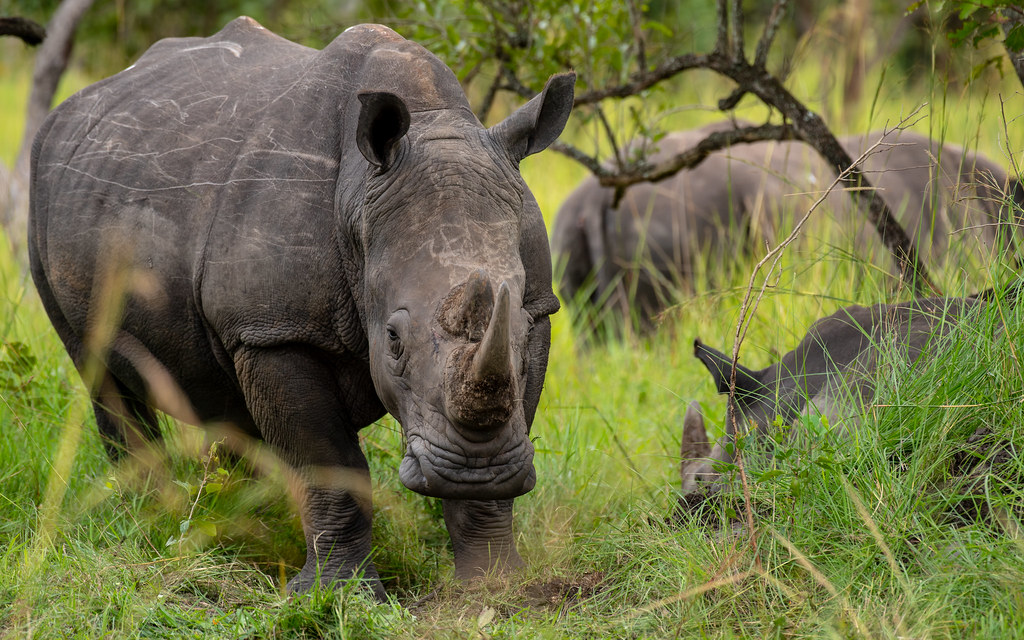
Located in eastern Rwanda, Akagera is the country’s only savannah national park and the best destination for experiencing a traditional African wildlife safari. It is also home to all five members of Africa’s famous Big Five: lions, leopards, elephants, buffaloes and rhinoceroses.
The landscape is remarkably different from the mist-covered volcanic mountains of northern Rwanda. Here, rolling hills give way to open grasslands, acacia woodlands, papyrus swamps and a network of lakes that form part of the extensive Akagera wetland system. These contrasting habitats support an impressive variety of wildlife, making the park one of the most rewarding destinations for nature lovers, photographers and safari enthusiasts.
However, it is not just the opportunity to see the Big Five that makes Akagera worth visiting. The park offers a variety of activities that allow visitors to experience its wilderness from different perspectives. You can spend the morning searching for lions and elephants on a game drive, cruise across Lake Ihema in the afternoon, watch hippos and crocodiles from the water, or relax beside Lake Shakani while enjoying a fishing experience.
For birdwatchers, Akagera is particularly rewarding, with more than 500 recorded bird species. Visitors can also explore the surrounding communities, learn about wildlife conservation and enjoy camping beneath the African night sky.
Whether you are planning a guided wildlife holiday, a family adventure or an independent self-drive safari in Rwanda, Akagera offers something special.
Below are the best things to do in Akagera National Park, including where to enjoy each activity, the best time to participate and practical information to help you plan your visit.
1. Game Drives in Akagera National Park
Game drives are the backbone of any Akagera safari, and for good reason. The park has an extensive network of wildlife-viewing tracks passing through open savannah, acacia woodland, rolling hills and grassy plains. These different habitats provide opportunities to encounter some of Rwanda’s most impressive wildlife.
A typical game drive takes you through areas inhabited by elephants, giraffes, zebras, buffaloes, antelopes, hippos and numerous other animals. With some luck and patience, you may also encounter lions, leopards and rhinoceroses.
Morning game drives are particularly rewarding because many animals are more active before temperatures rise. You might encounter zebras and impalas grazing in the early morning light, elephants moving between feeding areas and buffalo herds gathering around water sources.
The northern part of the park is especially attractive for visitors interested in extensive savannah landscapes and wildlife viewing. Its open plains, including the Kilala Plains, provide excellent opportunities to observe grazing animals and search for predators.
For a different experience, consider a guided night game drive. Accompanied by an experienced guide in a specially equipped safari vehicle, you can explore the nocturnal side of Akagera. Animals such as spotted hyenas, genets, bush babies and other nocturnal creatures become more active after sunset. Leopards may also be encountered, although sightings are never guaranteed.
Best time: Early morning and late afternoon are excellent periods for wildlife viewing. Night drives offer opportunities to encounter nocturnal species. June to September is generally favourable for easier wildlife observation because vegetation is less dense.
Where: Throughout Akagera National Park, particularly the northern savannah plains and wildlife-rich areas around the lakes.
Travel tip: Allow at least a full day for game viewing if you want to explore different sections of the park. A two- or three-day safari provides a much better opportunity to discover its diverse habitats.
2. Boat Safaris on Lake Ihema
If you have extra time in Akagera, a boat safari on Lake Ihema is one of the experiences you should not miss.
Akagera is characterised by numerous lakes, wetlands and waterways, and Lake Ihema is one of the most important features of this ecosystem. A leisurely boat cruise allows you to explore the aquatic environment and observe wildlife from a completely different perspective.
As you glide across the lake, you may encounter hippos surfacing beside the boat, large Nile crocodiles resting along the banks and elephants occasionally approaching the shoreline to drink. The surrounding vegetation also provides shelter for numerous waterbirds.
Birdwatching is another highlight of the Lake Ihema boat safari. Keep your eyes open for African fish eagles, herons, cormorants, egrets, kingfishers and other water-associated species. With luck, you may also spot the impressive shoebill in suitable papyrus wetland habitat.
Unlike a traditional game drive, a boat cruise provides a peaceful opportunity to appreciate the park’s wetlands without travelling along dusty safari roads.
Scheduled boat excursions generally operate in the morning and afternoon, with sunset cruises offering particularly attractive photographic opportunities.
Best time: Morning departures, particularly around 7:30 am and 9:00 am, are excellent. Afternoon departures around 3:00 pm and 4:30 pm are also available.
Where: Lake Ihema, in the southern section of Akagera National Park.
Travel tip: Book your boat excursion in advance, especially during busy holiday periods. Combining a morning game drive with an afternoon boat cruise is an excellent way to experience two different sides of Akagera in one day.
3. Bird Watching in Akagera National Park
With more than 500 recorded bird species, Akagera is one of Rwanda’s most rewarding birdwatching destinations. Its combination of wetlands, papyrus swamps, lakes, woodland and savannah creates habitats for an impressive variety of resident and migratory birds.
Even if you are not an experienced birder, the diversity of species makes birdwatching an enjoyable activity during a visit.
The papyrus wetlands are particularly interesting because they provide habitat for specialised wetland birds, including the elusive shoebill and papyrus-associated species. Around the lakeshores, you can look for African fish eagles, open-billed storks, herons, egrets and cormorants.
Away from the water, the acacia woodlands and open grasslands support a different collection of birds. Colourful species, including rollers, starlings, bee-eaters and various weavers, add life to the savannah landscape.
Akagera is also an important destination for migratory birds, making it attractive to visitors who want to expand their East African birdwatching lists.
You do not necessarily need to organise a separate birdwatching excursion. Many species can be observed during ordinary game drives, boat trips and other wildlife activities.
Best time: Birdwatching is possible throughout the year. The wetter months, particularly October to November and March to May, can be especially rewarding for migratory bird activity. Early mornings generally provide excellent birding conditions.
Where: Lake Ihema, Lake Shakani, papyrus wetlands, woodland tracks and open savannah habitats.
Travel tip: Carry a pair of binoculars and a camera with a good zoom lens. Hiring an experienced birding guide can significantly improve your chances of identifying rare and specialised species.
4. Sport Fishing on Lake Shakani
Sport fishing is one of those activities that many visitors do not expect to find inside a national park. However, Akagera offers a relaxing fishing experience on Lake Shakani.
Located in the southern section of the park, Lake Shakani is known for its fishing opportunities, particularly for tilapia. The activity provides a welcome break from conventional wildlife viewing and is suitable for travellers who enjoy spending time beside the water.
You can spend a peaceful morning or afternoon fishing while listening to birds and watching the surrounding landscape. The lake’s environment also offers opportunities to observe wildlife and aquatic birds.
Fishing is generally organised as a recreational activity, with park regulations governing how it is conducted. Confirm the current fishing rules, including catch-and-release requirements and whether visitors may retain their catch, before participating.
Best time: Early morning and late afternoon are comfortable periods for fishing.
Where: Lake Shakani, in the southern part of Akagera National Park.
Travel tip: Arrange fishing activities through park management and bring suitable personal fishing equipment if required.
5. Night Game Drives in Akagera National Park
A daytime safari reveals only part of Akagera’s wildlife story. After sunset, the park becomes an entirely different environment as nocturnal animals emerge from their hiding places.
A night game drive is an excellent opportunity to explore this less visible side of the African wilderness. Using a specially equipped safari vehicle and spotlight, experienced guides search the surrounding vegetation and tracks for animals that are difficult to encounter during daylight hours.
Some of the species you may encounter include spotted hyenas, genets, bush babies, civets and other nocturnal mammals. Lions and leopards may also be active after dark.
The experience is particularly exciting because the darkness makes every wildlife encounter feel more mysterious. You may hear hyenas calling in the distance, see the reflective eyes of an animal in the spotlight or observe nocturnal creatures moving through the grass.
Night drives are organised through approved park operators and accommodation providers, and availability may depend on where you are staying.
Best time: After sunset, with departures generally scheduled in the early evening.
Where: Designated areas of Akagera, including the southern sector and selected overnight accommodation areas such as Karenge Bush Camp.
Travel tip: Night game drives are not the same as ordinary self-drive activities. Arrange an authorised guided excursion rather than attempting to drive independently after the park’s normal daytime access hours.
6. Guided Walking and Community Experiences
Although Akagera is primarily explored by vehicle, walking-based experiences can offer a fascinating opportunity to understand the relationship between the park, its wildlife and surrounding communities.
One particularly interesting experience is the community-led Walk the Line activity. Visitors can join a local guide or fence attendant to explore sections of the park’s boundary fence and learn how the fence helps protect wildlife while reducing human-wildlife conflict.
During the experience, you can learn about the work involved in maintaining the boundary, preventing wildlife from leaving protected areas and supporting coexistence between conservation and nearby communities.
You also gain a better understanding of the people whose daily work contributes to the long-term protection of Akagera’s wildlife.
Other community experiences may include visits to local dairy farms, honey cooperatives and traditional banana-beer producers. These excursions offer insight into the culture and livelihoods of communities in Rwanda’s Eastern Province.
Walking activities inside the wildlife area should only be undertaken when specifically authorised and accompanied by the appropriate park personnel.
Best time: Morning hours are generally preferable for walking and community experiences because of the cooler temperatures.
Where: Designated sections of the park boundary and surrounding communities.
Travel tip: Ask your tour operator or park management about available community activities when arranging your safari.
7. Wildlife Conservation and Behind-the-Scenes Experiences
Akagera is more than a destination for wildlife viewing. It is also one of Africa’s notable conservation success stories.
The park has undergone significant ecological restoration through partnerships between the Rwanda Development Board and African Parks. The reintroduction of lions in 2015, eastern black rhinoceroses in 2017 and southern white rhinoceroses in 2021 has helped restore important components of its wildlife population.
Today, visitors have the opportunity to learn more about these conservation efforts through educational and behind-the-scenes experiences.
Depending on availability, a visit to park headquarters can introduce you to the people involved in wildlife management, park operations and conservation planning.
You can learn about anti-poaching initiatives, habitat restoration, wildlife monitoring, community engagement and the challenges of protecting endangered species.
For travellers interested in responsible tourism, these experiences add an educational dimension to an ordinary wildlife safari.
Best time: Conservation visits can be arranged throughout the year, subject to availability and booking requirements.
Where: Akagera National Park headquarters and other designated conservation facilities.
Travel tip: Educational visits are particularly suitable for families, students, conservation enthusiasts and travellers interested in sustainable tourism.
8. Camping in Akagera National Park
For travellers who want a closer connection with nature, camping is one of the most memorable ways to experience Akagera.
Rather than returning to a hotel outside the park every evening, you can spend the night at one of its designated campsites and wake up surrounded by the sounds of the African wilderness.
Imagine enjoying dinner beside a campfire, listening to nocturnal wildlife and waking up to birds calling across the surrounding lakes and grasslands.
Akagera has several designated camping locations, including Shakani, Muyumba, Mutumba and Mihindi. Each offers a different setting, from lakeside surroundings to elevated viewpoints overlooking the park’s landscape.
Some campsites have basic facilities, while others offer more developed amenities. Camping arrangements and equipment availability vary, so visitors should confirm what is provided before travelling.
For independent travellers, a 4×4 camping safari in Rwanda provides flexibility and the opportunity to explore the park at their own pace.
A suitable vehicle equipped with camping equipment can make the experience more comfortable, especially for travellers planning a longer East African road trip.
Best time: Camping is possible throughout the year, although the drier months are generally more comfortable for outdoor activities.
Where: Designated campsites within Akagera National Park.
Travel tip: Book campsites ahead of time and confirm whether you need to bring your own tent, sleeping bags, cooking equipment and other camping supplies.
9. Photography Safaris in Akagera National Park
Akagera is a wonderful destination for wildlife photography because of its contrasting landscapes, abundant wildlife and beautiful African sunsets.
The open savannah provides excellent opportunities to photograph elephants, giraffes, zebras, buffaloes and antelopes against expansive grasslands. Meanwhile, the lakes and papyrus wetlands offer opportunities to capture hippos, crocodiles and colourful waterbirds.
Predator photography can be particularly rewarding when lions or leopards are encountered during early morning or late afternoon game drives. The softer light during these periods also creates excellent conditions for landscape photography.
For bird photographers, a boat cruise on Lake Ihema is particularly worthwhile. It allows you to photograph waterbirds from a different angle while enjoying the surrounding wetland scenery.
Best time: Early morning and late afternoon, when the lighting is softer and wildlife is often more active.
Where: Throughout the park, particularly the northern plains, Lake Ihema and the surrounding wetlands.
Travel tip: Carry a camera with a telephoto lens, spare batteries and sufficient memory cards. A private safari vehicle can also provide greater flexibility for wildlife photography.
Getting to Akagera National Park
Akagera National Park is located in eastern Rwanda, close to the Tanzanian border. Its convenient location makes it one of the easiest major wildlife destinations to visit from Kigali.
The park is approximately 110 kilometres from Kigali, and the journey to the southern entrance generally takes about two to three hours, depending on traffic and road conditions.
Most visitors travel from Kigali by private safari vehicle, organised tour or rental car. The journey passes through Rwanda’s beautiful countryside, characterised by rolling hills, agricultural landscapes and traditional rural settlements.
There is no regular public transport service that takes visitors directly into the park for a safari, so arranging private transport or a suitable rental vehicle is recommended.
The southern entrance is the main access point for most visitors arriving from Kigali. Travellers planning to explore the northern sections should consider the considerable driving distance inside the park when arranging accommodation and their itinerary.
Getting There by Self-Drive
One of the best ways to explore Akagera is through a self-drive safari. Rwanda has a good road network connecting Kigali with the park, making independent travel a convenient option for visitors who enjoy flexibility.
A suitable 4×4 vehicle is recommended, particularly during the rainy season when some internal park tracks can become challenging.
With a rental vehicle, you can travel from Kigali, enter the park, explore different wildlife-viewing areas and spend the night at one of the designated campsites or lodges.
A self-drive experience is particularly attractive for couples, families and adventurous travellers who prefer exploring at their own pace.
For visitors planning to combine Akagera with other destinations, a rental 4×4 also makes it possible to continue towards Volcanoes National Park, Nyungwe Forest National Park and neighbouring East African countries, subject to the vehicle’s cross-border permissions.
Read more about 4×4 Car Rental in Rwanda, Rwanda Self-Drive Safari and East Africa Self-Drive Safari.
Best Time to Visit Akagera National Park
Akagera is an all-year-round safari destination, but the experience varies depending on rainfall, vegetation and wildlife movements.
Understanding the seasons can help you choose the best time for your preferred activities.
June to September: Dry Season
The period between June and September is generally favourable for traditional wildlife viewing.
Grass becomes shorter, vegetation is less dense and animals are often easier to spot around water sources. These conditions can make it easier to search for elephants, buffaloes, zebras, giraffes and predators.
It is also a good period for game drives, photography and camping.
October to November: Short Rainy Season
The short rains bring fresh vegetation and greener landscapes to the park.
Birdwatchers may find this period particularly rewarding as migratory birds begin arriving. The landscape becomes more attractive for photography, although some internal tracks may become muddy.
December to February: Relatively Dry Period
January and February are generally good months for wildlife viewing, with relatively favourable road conditions and opportunities for game drives.
This is also an attractive period for travellers combining Akagera with other Rwanda safari destinations.
March to May: Long Rainy Season
The long rainy season transforms Akagera into a lush green landscape.
This period can be particularly attractive for birdwatching and nature photography. However, heavier rainfall may make some internal roads more challenging, so a capable 4×4 is recommended.
Overall recommendation: Visit between June and September for generally favourable savannah wildlife viewing, or consider the wetter months if birdwatching and green landscapes are your priority.
Suggested 3-Day Akagera National Park Safari Itinerary
A three-day safari is an excellent way to explore Akagera without rushing between activities. It gives you enough time to experience the northern plains, enjoy a boat cruise, search for wildlife and spend time in the park’s beautiful natural surroundings.
Day 1: Kigali to Akagera National Park – Afternoon Game Drive
Depart Kigali in the morning and drive towards Akagera National Park.
Upon arrival, complete the entrance formalities and begin exploring the southern section of the park. Enjoy your first game drive through the savannah and woodland habitats while searching for zebras, giraffes, buffaloes, elephants and other wildlife.
In the afternoon, continue towards your booked accommodation or campsite.
Enjoy dinner and an overnight stay inside or near the park.
Day 2: Full-Day Game Drive and Boat Safari on Lake Ihema
After breakfast, set out for a wildlife-viewing adventure through Akagera’s different habitats.
Explore the northern plains, where open grasslands provide excellent opportunities for observing grazing animals and searching for predators.
Depending on your route and wildlife sightings, spend time exploring the Kilala Plains and other wildlife-rich areas.
Later, return towards the southern section for a scheduled boat cruise on Lake Ihema.
Enjoy the opportunity to observe hippos, crocodiles and numerous waterbirds from the water.
Return to your lodge or campsite for dinner and overnight.
Day 3: Morning Game Drive and Return to Kigali
Wake up early for another game drive, making the most of the cooler morning hours.
Depending on your interests, you can spend additional time searching for wildlife, photographing the landscape or enjoying a relaxed breakfast overlooking the surrounding wilderness.
Afterwards, exit the park and drive back to Kigali.
Arrive in Kigali in the afternoon, marking the end of your Akagera safari.
Combining Akagera with Other Rwanda Safari Destinations
Akagera is an excellent starting point for a longer Rwanda adventure. While the park offers a traditional savannah safari, other national parks introduce visitors to completely different ecosystems and wildlife experiences.
Akagera and Volcanoes National Park
Combining Akagera with Volcanoes National Park creates an exciting contrast between savannah wildlife and mountain gorilla trekking.
Begin with game drives and a boat cruise in Akagera before travelling north to Musanze for an unforgettable mountain gorilla trekking experience.
You can also include golden monkey trekking, cultural experiences and scenic views of the Virunga Volcanoes.
Explore our Rwanda Gorilla Trekking Safari and Akagera and Volcanoes National Park Safari itineraries.
Akagera and Nyungwe Forest National Park
For nature enthusiasts, combining Akagera with Nyungwe Forest offers an opportunity to explore two very different ecosystems.
Akagera introduces you to elephants, lions, giraffes and savannah birds, while Nyungwe is famous for its ancient montane rainforest, chimpanzees, colobus monkeys and spectacular canopy walkway.
This combination is particularly suitable for travellers interested in wildlife diversity, primates, birdwatching and nature photography.
Read more about Nyungwe Forest National Park Activities and Rwanda Chimpanzee Trekking Safari.
Akagera and an East African Safari
Travellers with more time can extend their adventure beyond Rwanda by combining Akagera with wildlife destinations in Uganda, Kenya and Tanzania.
You could begin with a Big Five safari in Akagera, continue to Uganda for mountain gorilla trekking in Bwindi Impenetrable National Park, and then travel to Kenya’s Maasai Mara for spectacular savannah wildlife and the Great Migration.
Alternatively, extend your journey into northern Tanzania to explore Serengeti National Park, Ngorongoro Crater and Tarangire National Park.
Explore our East Africa Multi-Country Safari Packages, Kenya and Tanzania Wildlife Safaris and East Africa 4×4 Car Rental options.
Practical Tips for Visiting Akagera National Park
Before travelling to Akagera, consider the following recommendations to make your safari more comfortable and enjoyable.
1. Choose a suitable safari vehicle: A 4×4 vehicle is recommended, particularly if you intend to explore the northern sections or visit during the rainy season.
2. Start your game drives early: Morning hours generally provide comfortable temperatures and good opportunities to encounter active wildlife.
3. Spend at least two nights: Although a day trip from Kigali is possible, spending two or three days gives you more time to explore different habitats and enjoy additional activities.
4. Book activities in advance: Boat excursions, guided game drives, accommodation and special experiences should be arranged ahead of time, particularly during busy travel periods.
5. Carry binoculars: These are particularly useful for birdwatching and observing animals at a distance.
6. Bring suitable clothing: Lightweight neutral-coloured clothing, comfortable shoes, a hat and sunscreen are useful during game drives.
7. Follow park regulations: Remain inside your vehicle in designated wildlife areas unless accompanied by authorised personnel during an approved activity.
8. Carry sufficient supplies: If camping or undertaking an extended self-drive safari, bring drinking water, snacks, personal supplies and any camping equipment required.
9. Respect wildlife: Maintain a safe distance from animals and avoid disturbing them for photographs.
10. Check current park information: Confirm entrance fees, activity schedules, campsite availability and access conditions with Akagera National Park before departure.
Frequently Asked Questions About Akagera National Park
1. What is Akagera National Park famous for?
Akagera is famous for its savannah landscapes, lakes, wetlands and diverse wildlife. It is Rwanda’s only Big Five national park, protecting lions, leopards, elephants, buffaloes and rhinoceroses.
2. Can you see the Big Five in Akagera National Park?
Yes. Akagera is home to all five members of the Big Five. However, seeing all five during a single visit is not guaranteed because wildlife sightings depend on animal movements, weather and time spent exploring the park.
3. How many days do you need in Akagera National Park?
A minimum of two days is recommended, while three days provides a more relaxed safari experience. A single-day visit is possible for travellers with limited time.
4. Can you visit Akagera National Park on a self-drive safari?
Yes. Akagera is a self-drive national park, allowing visitors to explore designated park roads in their own suitable vehicles. A 4×4 is recommended, especially during wet conditions.
5. Is a 4×4 vehicle necessary for Akagera?
A 4×4 is recommended because some internal roads can become challenging during the rainy season. It also provides greater flexibility when exploring different sections of the park.
6. Can you see mountain gorillas in Akagera National Park?
No. Mountain gorillas are not found in Akagera. Gorilla trekking takes place in Volcanoes National Park in northern Rwanda.
7. Are there boat trips in Akagera National Park?
Yes. Boat excursions operate on Lake Ihema, offering opportunities to observe hippos, crocodiles and numerous waterbirds.
8. Can you go camping in Akagera National Park?
Yes. The park has designated campsites, including Shakani, Muyumba, Mutumba and Mihindi. Facilities and camping equipment availability vary by location.
9. Is Akagera National Park suitable for families?
Yes. Families can enjoy game drives, boat excursions, birdwatching and camping. However, parents should check age restrictions for individual activities before booking.
10. What is the best time to visit Akagera National Park?
June to September is generally favourable for savannah wildlife viewing. The wetter months can be attractive for birdwatching, photography and greener landscapes.
11. How far is Akagera National Park from Kigali?
The park is approximately 110 kilometres from Kigali, and driving to the southern entrance generally takes between two and three hours.
12. Can I combine Akagera with a gorilla trekking safari?
Absolutely. Akagera and Volcanoes National Park are an excellent combination for travellers who want to experience both the Big Five and endangered mountain gorillas during one Rwanda holiday.
Book Your Akagera National Park Safari with Us
Akagera National Park offers an unforgettable opportunity to discover Rwanda beyond its famous mountain gorillas. From searching for lions and elephants across the open savannah to cruising on Lake Ihema, watching rare birds and camping beneath the African sky, the park offers an exciting variety of experiences for every kind of traveller.
Whether you prefer a professionally guided wildlife safari, a private family holiday or an independent road trip, Akagera is a destination worth including in your Rwanda travel plans.
At Self drive Rwanda, we help travellers organise memorable East African adventures, including Rwanda wildlife safaris, gorilla trekking holidays, multi-country itineraries and independent self-drive experiences.
We can assist with safari vehicle arrangements, accommodation, camping options, park activities and customised itineraries.
If you prefer exploring independently, ask us about our 4×4 car rental in Rwanda, including suitable safari vehicles and rooftop tent camping options for adventurous travellers.
Combine your Akagera adventure with Rwanda gorilla trekking, Uganda wildlife safaris, Kenya’s Great Migration or Tanzania’s legendary Serengeti and Ngorongoro landscapes.
Start planning your Rwanda safari today. Contact self drive Rwanda for a customised Akagera National Park safari or an East African self-drive adventure.