Activities to Do in Nyungwe National Park, Rwanda
Explore chimpanzees, walk above the rainforest canopy, discover rare birds, hike to waterfalls, and experience the natural beauty of southwestern Rwanda.
Tucked into the southwestern corner of Rwanda, near the borders with Burundi and the Democratic Republic of the Congo, Nyungwe National Park is one of Africa’s oldest and best-preserved montane rainforests. Its mist-covered mountains, towering trees, tree ferns, bamboo thickets, orchid-filled wetlands, and rushing streams create a remarkable wilderness that has survived for thousands of years.
Covering approximately 1,019 square kilometres, Nyungwe is one of the most important forest conservation areas in East and Central Africa. Its forests form part of the watershed that feeds both the Congo and Nile river basins, making the park essential to the region’s ecological balance.
Nyungwe is also a biodiversity hotspot, sheltering around 13 primate species, including chimpanzees, Angolan colobus monkeys, L’Hoest’s monkeys, and other fascinating forest primates. More than 300 bird species have been recorded here, including numerous Albertine Rift endemics that attract birdwatchers from around the world. The forest also supports butterflies, orchids, rare mammals, and an extraordinary variety of plant life.
In 2023, Nyungwe National Park was inscribed on the UNESCO World Heritage List in recognition of its outstanding natural value. Since 2020, African Parks has partnered with the Rwanda Development Board in managing the park, supporting conservation, wildlife protection, and tourism development.
For travellers seeking an unforgettable experience in Rwanda, Nyungwe offers far more than chimpanzee tracking. From the famous canopy walkway to scenic hiking trails, cultural visits, and birdwatching adventures, there are activities for nature lovers, photographers, families, and adventurous travellers.
Here are the best activities to enjoy in Nyungwe National Park.
Nyungwe National Park at a Glance
- Location: Southwestern Rwanda, approximately 220–230 kilometres from Kigali by road.
- Size: Approximately 1,019 square kilometres of montane rainforest.
- Elevation: Roughly 1,600 to nearly 3,000 metres above sea level.
- Highest point: Mount Bigugu.
- Conservation status: UNESCO World Heritage Site, inscribed in 2023.
- Wildlife: Chimpanzees, Angolan colobus monkeys, other primates, forest mammals, butterflies, and more than 300 recorded bird species.
- Climate: Cool, humid, and unpredictable, with rainfall possible throughout the year.
- Top activities: Chimpanzee tracking, canopy walks, colobus monkey tracking, birdwatching, waterfall hikes, and cultural experiences.
- Best time to visit: June to September and December to February generally offer more favourable hiking conditions.
1. Chimpanzee Tracking in Nyungwe National Park
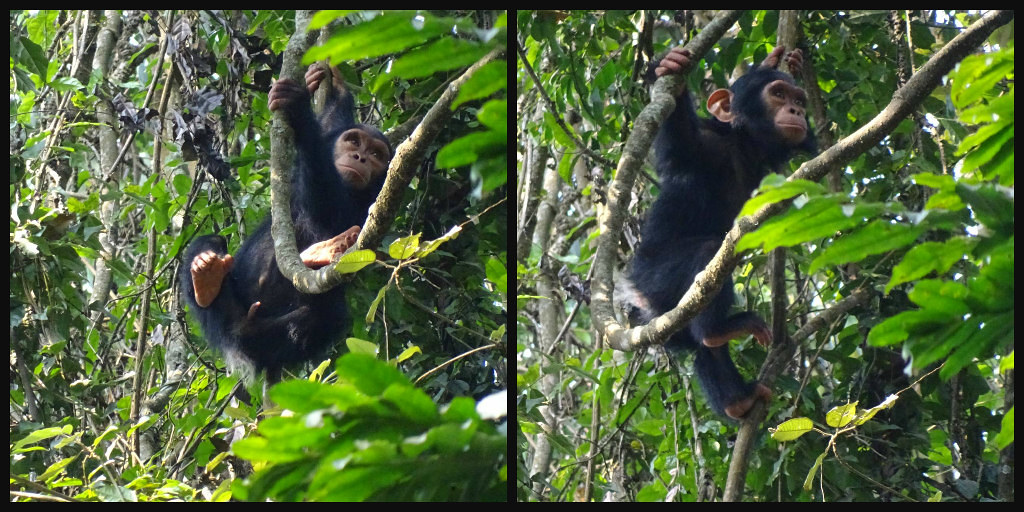
Chimpanzee tracking is one of the most exciting activities in Nyungwe National Park. The forest provides an important habitat for wild chimpanzees, and visitors can join guided excursions to observe these intelligent primates in their natural environment.
The experience usually begins early in the morning, often around 5:00 a.m., depending on the assigned tracking location and current park arrangements. Visitors meet their guides for a briefing before entering the forest to search for chimpanzees.
Experienced guides and trackers follow chimpanzee calls, footprints, feeding signs, and other clues to locate the animals. The duration and difficulty of the trek depend on where the chimpanzees are located that morning. Some encounters involve relatively short walks, while others require several hours of hiking through steep, muddy, and densely vegetated terrain.
Once the chimpanzees are found, visitors may observe them feeding, grooming, playing, calling to one another, and moving through the forest canopy. Their lively behaviour and complex social interactions make this a memorable wildlife experience.
Chimpanzee tracking can be physically demanding, so sturdy hiking boots, long trousers, drinking water, and waterproof clothing are essential.
Chimpanzee Habituation Experience
Travellers seeking a more immersive encounter can enquire about a chimpanzee habituation experience, where available. This activity involves spending an extended period observing chimpanzees that are undergoing habituation to human presence.
Availability, location, duration, and permit arrangements can differ from standard chimpanzee tracking. Confirm current details with the Rwanda Development Board or an authorised tour operator before booking.
Chimpanzee permits are limited, particularly during busy travel periods. Advance reservations are recommended for anyone planning a Rwanda chimpanzee trekking safari.
2. Monkey Tracking in Nyungwe Forest
Nyungwe is a paradise for primate enthusiasts, and monkey tracking provides another excellent opportunity to explore its rich wildlife.
One of the most popular experiences is tracking the Angolan colobus monkey, a striking black-and-white primate known for living in unusually large troops. Watching dozens of these monkeys leap between branches or move together through the forest canopy is an unforgettable sight.
Guided monkey-tracking excursions are available from designated locations, subject to park arrangements. Depending on the route and the animals encountered, visitors may also have opportunities to observe species such as:
- L’Hoest’s monkeys.
- Blue monkeys.
- Red-tailed monkeys.
- Grey-cheeked mangabeys.
- Dent’s mona monkeys.
- Owl-faced monkeys.
- Olive baboons in suitable habitats.
These walks combine wildlife observation with an introduction to the forest’s ecology and conservation.
Although some monkey-tracking routes may be less strenuous than chimpanzee trekking, trail conditions vary, and not every excursion is suitable for every visitor. Travellers should discuss their fitness level and mobility requirements with their guide before departure.
Bring binoculars and a camera with a zoom lens to capture the monkeys without disturbing them.
3. Walk Along the Nyungwe Canopy Walkway
The Nyungwe Canopy Walkway is one of Rwanda’s most distinctive adventure attractions. Suspended high above the forest floor, the walkway gives visitors a remarkable perspective of the rainforest that is difficult to experience from ordinary hiking trails.
The suspension bridge is approximately 160 metres long and reaches around 70 metres above the forest floor. It offers elevated views across treetops, misty valleys, forested ridges, and the surrounding landscape.
The activity typically begins at the Uwinka visitor centre, where visitors join a guided walk along a forest trail to reach the bridge. The complete experience takes approximately two hours, although timing can vary depending on the group and trail conditions.
Along the way, guides explain the forest ecosystem and help visitors identify birds, butterflies, and plants. On clear days, the elevated viewpoint provides excellent opportunities for photography, while mist creates an atmospheric rainforest experience.
The bridge is designed for visitors, but it may sway slightly as people walk across it. Anyone uncomfortable with heights should consider this before booking.
For the best experience, carry a camera, wear comfortable hiking shoes, and bring a light rain jacket.
The canopy walkway is a highlight of many Rwanda adventure tours and combines especially well with chimpanzee tracking or a guided nature hike.
4. Birdwatching in Nyungwe National Park
Nyungwe is one of the most rewarding birdwatching destinations in the Albertine Rift region. With more than 300 recorded bird species, the park attracts experienced birders, photographers, and nature lovers interested in observing forest-dependent birds.
Its greatest attraction is the presence of Albertine Rift endemics, species with restricted distributions that are particularly important to conservation.
Birds of interest include:
- Rwenzori turaco.
- Great blue turaco.
- Red-collared babbler.
- Handsome francolin.
- Grauer’s warbler.
- Regal sunbird.
Other possibilities include hornbills, barbets, forest robins, thrushes, greenbuls, flycatchers, and several species of sunbirds.
Guided birdwatching is available along designated forest trails and around suitable forest-edge habitats. The Karamba area is among the locations known to attract birders, while other trails may offer opportunities to discover additional species.
Early mornings are generally the most productive time for birdwatching, although late afternoons can also be rewarding. Dedicated birdwatchers should consider spending two or three days in the area to explore different habitats and improve their chances of finding target species.
Bring binoculars, a bird field guide, waterproof clothing, and a notebook or birding application to record your sightings.
For travellers planning a specialist Rwanda birdwatching safari, Nyungwe can be combined with other destinations, including Akagera National Park, to experience a wider range of habitats and bird species.
5. Enjoy Guided Nature Walks and Forest Hiking
Nyungwe National Park has an extensive network of hiking trails that allow visitors to explore its diverse landscapes on foot. Guided walks range from relatively short forest excursions to challenging full-day hikes.
Along the trails, visitors can discover giant tree ferns, moss-covered trunks, orchids, mountain streams, butterflies, and the sounds of birds and monkeys moving through the forest.
Popular hiking options include the following.
Isumo Waterfall Trail
The Isumo Waterfall Trail takes hikers through lush vegetation, valleys, and streams to a beautiful waterfall. The route offers opportunities to observe forest plants, birds, and other wildlife while enjoying the sounds of flowing water.
It is an excellent option for travellers who want to combine physical activity with rainforest scenery. The hike can be demanding in wet conditions, so suitable footwear and a reasonable level of fitness are recommended.
Kamiranzovu Marsh Trail
Kamiranzovu Marsh is a fascinating wetland within the Nyungwe landscape. Its distinctive vegetation, orchids, birdlife, and broad marshy environment provide a contrast to the dense forest surrounding it.
A guided walk offers insight into the importance of wetlands, water catchment areas, and forest conservation.
The trail is particularly interesting for nature photographers and birdwatchers, although access and conditions may vary with the weather.
Igishigishigi Trail
The Igishigishigi Trail is a popular route associated with the canopy walkway experience. It passes through beautiful forest vegetation, including impressive tree ferns, and offers a manageable introduction to Nyungwe’s montane rainforest.
It is a good option for visitors with limited time who want to experience the forest without committing to a long hike. Check the current route and difficulty before setting out.
Mount Bigugu Trail
Mount Bigugu is the highest point in Nyungwe National Park, rising to nearly 3,000 metres above sea level. Hiking in this area offers a more challenging experience for visitors who enjoy mountain scenery and longer forest walks.
On clear days, elevated viewpoints can reward hikers with impressive views across the surrounding hills and forest landscape. However, clouds, mist, and rain can limit visibility.
This trail is best suited to reasonably fit hikers who are prepared for changing weather and steep terrain.
Uwinka Area Trails
The Uwinka area provides access to several forest trails, including routes such as Umuyove and Imbaraga. These walks introduce visitors to Nyungwe’s vegetation, birdlife, and forest environment.
Trail lengths and difficulty vary, so a park guide can help select a route that matches your schedule and fitness level.
Hiking tip: Wear sturdy, waterproof hiking boots and carry a rain jacket, drinking water, and a small daypack. Forest trails can become slippery even during periods of relatively light rain.
6. Visit the Gisakura Tea Plantations
The Gisakura tea-growing area lies near the western edge of Nyungwe National Park and offers a scenic alternative to strenuous wildlife activities.
Rolling green hills covered in neatly arranged tea bushes create a beautiful landscape beside the rainforest. A guided visit, where available, can introduce travellers to tea cultivation, harvesting, processing, and the production methods that transform fresh leaves into the tea enjoyed around the world.
Visitors may have opportunities to observe tea pickers at work, learn about the different stages of processing, and sample locally produced tea, depending on the arrangements made with the estate.
The experience also provides insight into the livelihoods of communities living around Nyungwe. Tea farming is an important economic activity in the region, and visiting local producers can help travellers better understand the relationship between agriculture, tourism, and conservation.
The plantations are particularly attractive for photography in the early morning and late afternoon, when soft light highlights the contours of the hills.
A tea plantation visit is a relaxing addition to a Nyungwe National Park itinerary, especially after an early chimpanzee trek or a demanding day of hiking.
7. Try Ziplining and Other Adventure Activities
Visitors seeking a different kind of adventure can enquire about ziplining and other outdoor activities offered in the Nyungwe area.
Where available, ziplining provides an exciting way to experience the surrounding forest landscape from an elevated position. It can be combined with nature walks, canopy walkway visits, or community experiences to create a varied day of activities.
However, adventure activities and their operating locations can change. Confirm current availability, age restrictions, weight limits, safety requirements, prices, and booking procedures with the park or your tour operator before including them in your itinerary.
Travellers should also distinguish activities within the national park from attractions operated by private businesses or community organisations in the surrounding region.
8. Cycle or Hike Along the Congo-Nile Trail
The Congo-Nile Trail is one of Rwanda’s most scenic long-distance adventure routes. Extending for approximately 227 kilometres along the shores of Lake Kivu, the trail connects the Rubavu area in the north with the Rusizi area in the south.
The route follows the elevated watershed separating the Congo and Nile river basins. Along the way, travellers encounter terraced hillsides, fishing communities, coffee farms, tea plantations, and beautiful views across Lake Kivu.
The trail is generally explored in sections rather than completed in a single day. Depending on their interests and available time, visitors can choose guided walking or cycling experiences, with accommodation and rest stops arranged along the route.
Mountain biking can be physically demanding because of the steep hills, uneven surfaces, and changing weather. Travellers should arrange suitable bicycles, equipment, route guidance, and luggage support where needed.
Although the Congo-Nile Trail is a separate regional attraction rather than a single activity inside Nyungwe National Park, it combines naturally with a southwestern Rwanda itinerary.
Travellers can explore the forest, continue towards Lake Kivu, and enjoy several days of cycling, hiking, and cultural encounters.
9. Experience Local Communities and Rwandan Culture
A visit to Nyungwe is not only about wildlife. Communities living around the forest contribute to conservation and provide opportunities for travellers to learn about everyday life in southwestern Rwanda.
Community-based activities vary by location and provider but may include traditional music and dance, drumming performances, basket weaving, craft demonstrations, beekeeping, honey production, and guided village walks.
Visitors may also learn about local farming, food traditions, and the role of community initiatives in protecting the forest and supporting household incomes.
These experiences help travellers understand how tourism can contribute to local development while encouraging the protection of natural resources.
Where possible, choose locally organised activities, purchase handmade products directly from artisans, and follow your guide’s advice about respectful cultural interaction.
Always ask permission before photographing people, homes, or cultural performances.
Adding a community visit to your Rwanda cultural safari provides a valuable balance to the wildlife and hiking experiences of Nyungwe.
10. Enjoy Night Walks and Discover Nocturnal Wildlife
Nyungwe’s rainforest changes character after sunset, when some of its nocturnal animals become active.
Where permitted and available, guided night walks offer opportunities to listen for unusual forest sounds and look for creatures that are difficult to observe during daylight hours.
Depending on the location and conditions, these may include bushbabies, genets, frogs, and other nocturnal forest wildlife.
Night walks are conducted under specific safety and conservation guidelines. Visitors should follow their guide’s instructions, use appropriate lighting, and avoid making excessive noise or disturbing animals.
Because nocturnal activities may be restricted or unavailable at certain times, check the current arrangements before planning your visit.
11. Go Camping in Nyungwe National Park
Camping is an attractive option for travellers who enjoy spending more time in nature and experiencing the atmosphere of the forest after most day visitors have left.
Designated camping facilities, where available, offer an opportunity to stay close to the rainforest and listen to birds and other natural sounds in the early morning.
Camping arrangements and facilities can change, so confirm which sites are currently operating, whether advance reservations are required, and what equipment is provided.
Travellers planning a self-drive camping trip should also check road conditions, access requirements, campsite rules, and the availability of toilets and other facilities.
For a more comfortable experience, accommodation near the park ranges from simple guesthouses to established lodges and luxury forest retreats.
Camping can be combined with chimpanzee tracking, canopy walks, and guided hiking to create a rewarding Rwanda camping safari.
12. Take a Scenic Drive Through Nyungwe Forest
Driving through Nyungwe is an experience in itself. The main road crossing the forest connects the Kitabi and Gisakura areas and passes through spectacular mountain scenery.
The journey reveals layers of green vegetation, mist-covered slopes, deep valleys, and occasional viewpoints where travellers can stop safely to appreciate the landscape.
Depending on conditions, visitors may also spot monkeys and birds near the roadside. However, wildlife sightings are never guaranteed, and travellers should avoid stopping in unsafe locations or disturbing animals.
The road has bends, steep sections, and changing visibility, particularly during rain or mist. Drive cautiously, allow extra travel time, and avoid rushing to meet scheduled activities.
A scenic drive through Nyungwe is particularly rewarding for travellers exploring Rwanda by road. It can also be combined with visits to Huye, Lake Kivu, and other destinations in southwestern Rwanda.
For travellers who prefer independence, Rwanda self-drive car rental provides an opportunity to explore the region at their own pace, subject to vehicle suitability, road conditions, and park regulations.
How to Access Nyungwe National Park
Nyungwe National Park is located in southwestern Rwanda and can be reached by road from Kigali, Huye, Rusizi, and other destinations in the country.
The principal visitor areas include Kitabi on the eastern side, Uwinka near the centre, and Gisakura on the western side. The main road between Huye and Rusizi passes through the forest, making Nyungwe accessible as part of a longer road trip.
By Road from Kigali
Kigali is approximately 220–230 kilometres from Nyungwe, with a typical journey taking around five to six hours depending on traffic, weather, road conditions, and the final destination within the park area.
The route generally passes through Muhanga and Huye before continuing towards Kitabi, Uwinka, or Gisakura.
The drive is scenic, with rolling hills, agricultural landscapes, and forested mountains. However, the winding roads require careful driving, particularly during rainfall or mist.
Visitors can travel by private vehicle, hire a driver-guide, or book an organised safari.
From Huye (Butare)
Huye is a convenient stop for travellers approaching Nyungwe from central Rwanda. The journey to the eastern park area around Kitabi typically takes around two hours, depending on the exact destination and road conditions.
Visitors can combine their forest visit with cultural attractions in Huye, including the Ethnographic Museum.
From Rusizi (Kamembe)
Rusizi and Kamembe provide convenient access to the western side of Nyungwe, particularly the Gisakura area. The drive generally takes around one to two hours, depending on the starting point and destination.
This approach works well for travellers coming from the Lake Kivu region or planning a wider southwestern Rwanda itinerary.
By Public Transport
Public buses connect Kigali with towns such as Huye and Rusizi. However, reaching specific trailheads and arriving in time for early-morning chimpanzee tracking can be difficult without additional transport.
For visitors with limited time, private transfers or a rental vehicle offer greater flexibility.
By Air
Most international travellers arrive through Kigali International Airport. Flights to Kamembe Airport near Rusizi may be available, depending on current airline schedules.
Check flight availability and onward ground transport before choosing this option.
Exploring Nyungwe with a Rental Car
Hiring a car is a convenient way to explore Nyungwe National Park and combine it with other destinations in Rwanda.
A self-drive journey allows travellers to stop at viewpoints, explore the surrounding countryside, visit tea-growing areas, and continue towards Lake Kivu or other national parks according to their schedule.
A suitable vehicle depends on the planned route, season, road conditions, and number of passengers. A standard vehicle may be adequate for some main-road itineraries, while a higher-clearance vehicle can offer additional flexibility on rougher roads.
Travellers should confirm the vehicle’s insurance, breakdown support, cross-border permissions if applicable, and any restrictions affecting park access.
An alternative is to hire a vehicle with a professional driver-guide, which can be particularly helpful for visitors unfamiliar with Rwanda’s roads or planning several wildlife activities.
For more information, explore 4×4 car rental in Rwanda, Rwanda self-drive safaris, and East Africa self-drive safari itineraries.
Where to Stay Near Nyungwe National Park
Accommodation options around Nyungwe range from simple guesthouses and camping facilities to comfortable lodges and luxury eco-lodges.
The best location depends on your planned activities and the entrance area you will use.
Uwinka area: A practical base for visitors planning activities that start at the central visitor facilities, including the canopy walkway.
Gisakura area: Convenient for travellers exploring the western side of the park, visiting nearby tea-growing areas, or approaching from Rusizi.
Kitabi area: Useful for visitors arriving from Huye or approaching Nyungwe from the east.
Because chimpanzee tracking often starts very early, staying close to your assigned meeting point can reduce the need for a long predawn drive.
During busy travel periods, reserve accommodation and permits in advance, especially if your itinerary includes several guided activities.
Best Time to Visit Nyungwe National Park
Nyungwe can be visited throughout the year, but weather conditions influence hiking difficulty, road travel, photography, and overall comfort.
Dry Seasons: June to September and December to February
These periods generally provide more favourable conditions for hiking and forest exploration. Trails may be less muddy, and clearer weather can improve visibility at scenic viewpoints.
These months are popular with visitors, so it is wise to book accommodation and activities early.
Rainfall can still occur because Nyungwe is a rainforest.
Wet Seasons: March to May and October to November
The wetter months bring lush vegetation, atmospheric mist, and excellent opportunities for forest photography. Birdwatchers may also enjoy the changing seasonal conditions.
However, trails can become slippery, and longer hikes may require additional time and effort. Rain can affect visibility and make some activities more challenging.
Travellers visiting during these months should bring waterproof clothing, sturdy footwear, and a flexible itinerary.
What to Pack for Nyungwe
Regardless of the season, prepare for cool temperatures and sudden changes in weather.
Recommended items include:
- Waterproof hiking boots with good grip.
- A rain jacket and quick-drying clothing.
- Long trousers and long-sleeved shirts for forest walks.
- A warm layer for chilly mornings.
- Binoculars for birdwatching and wildlife observation.
- A camera with a zoom lens.
- Drinking water and a small daypack.
- Insect repellent and personal essentials.
- A waterproof cover for cameras, phones, and other electronics.
Frequently Asked Questions About Nyungwe National Park
1. What is Nyungwe National Park famous for?
Nyungwe is famous for its ancient montane rainforest, chimpanzee tracking, Angolan colobus monkeys, canopy walkway, exceptional birdlife, and extensive hiking trails. It is also recognised as a UNESCO World Heritage Site.
2. How many days do you need in Nyungwe National Park?
Two to three days is a good starting point for most visitors. This allows time for chimpanzee tracking, the canopy walkway, and a forest hike or birdwatching excursion. Dedicated birders and hikers may prefer to spend longer.
3. Can you see chimpanzees in Nyungwe National Park?
Yes. Nyungwe is one of Rwanda’s principal destinations for chimpanzee tracking. Sightings are not guaranteed because chimpanzees are wild animals that move freely through the forest.
4. Is the Nyungwe Canopy Walkway worth visiting?
Yes. The walkway offers a unique elevated perspective of the rainforest and is one of the park’s signature attractions. Visitors can enjoy panoramic forest views and opportunities to observe birds and other wildlife.
5. What other animals can you see in Nyungwe?
Besides chimpanzees, Nyungwe supports Angolan colobus monkeys, blue monkeys, L’Hoest’s monkeys, red-tailed monkeys, and other primates. The wider forest ecosystem also contains numerous bird, butterfly, and plant species. Sightings vary by location and season.
6. Is Nyungwe National Park suitable for self-drive safaris?
Yes, travellers can explore the region by rental car, provided they choose a suitable vehicle, drive carefully, and comply with park rules. Guided activities such as chimpanzee tracking and canopy walks must be arranged according to the park’s operating procedures.
7. How far is Nyungwe National Park from Kigali?
Nyungwe is approximately 220–230 kilometres from Kigali by road. The drive usually takes around five to six hours, depending on road conditions, traffic, weather, and your destination within the park area.
8. What is the best time to visit Nyungwe National Park?
June to September and December to February generally offer more favourable hiking conditions. However, Nyungwe is a rainforest, and rain is possible at any time of year.
9. Can Nyungwe National Park be combined with other Rwanda destinations?
Yes. Nyungwe combines well with Lake Kivu, Huye, Akagera National Park, Volcanoes National Park, and Kigali. The best combination depends on the length of your trip and whether you prefer wildlife, primates, culture, hiking, or relaxation.
10. Do I need a guide to explore Nyungwe?
Guides are required for designated activities, including organised chimpanzee tracking and the canopy walkway. Visitors should confirm the current rules for individual trails and activities with the park before travelling.
Plan Your Nyungwe National Park Adventure
Nyungwe National Park is one of Rwanda’s most rewarding destinations for travellers who want to experience pristine rainforest, rare primates, scenic mountain landscapes, and outdoor adventure.
Whether you want to track chimpanzees at dawn, walk above the forest canopy, search for Albertine Rift birds, hike to waterfalls, or discover the communities surrounding the forest, Nyungwe offers an experience that goes far beyond a conventional wildlife safari.
You can make the journey even more rewarding by combining Nyungwe with Lake Kivu, Akagera National Park, Volcanoes National Park, or a wider East African road trip.
Ready to explore Nyungwe? Plan your journey with Rwanda self-drive safaris, arrange 4×4 car rental in Rwanda, or discover our East Africa safari packages for a flexible adventure through Rwanda and beyond.
Choose your preferred travel dates, select the activities that interest you most, and start planning an unforgettable rainforest experience.