Things to Do in Volcanoes National Park, Rwanda: The Ultimate Guide
Introduction: Exploring Volcanoes National Park, Rwanda
Tucked into the northwestern corner of Rwanda, in Musanze District, Volcanoes National Park protects part of the magnificent Virunga Mountains, a volcanic mountain range shared by Rwanda, Uganda and the Democratic Republic of Congo. Covering approximately 160 square kilometres, the park features bamboo forests, montane rainforests, open meadows and dramatic volcanic slopes. It is one of the few places on Earth where endangered mountain gorillas survive in the wild.
Located approximately two to three hours by road from Kigali, the park is an excellent destination for travellers seeking wildlife encounters, outdoor adventures and cultural experiences. Its convenient location also makes it possible to combine a visit with other attractions in Rwanda, including Akagera National Park, Nyungwe National Park and the scenic shores of Lake Kivu.
Although most visitors come for mountain gorilla trekking, Volcanoes National Park and its surrounding communities offer much more. Travellers can track playful golden monkeys through bamboo forests, hike volcanic peaks, visit the historic tomb of Dian Fossey, explore ancient lava caves, discover Rwanda’s royal heritage in a sacred forest and experience traditional music and dance in a community-run cultural village.
Whether you are planning a short wildlife getaway, a multi-day hiking adventure or a longer Rwanda wildlife safari, there are activities to suit different interests, fitness levels and travel budgets.
1. Mountain Gorilla Trekking
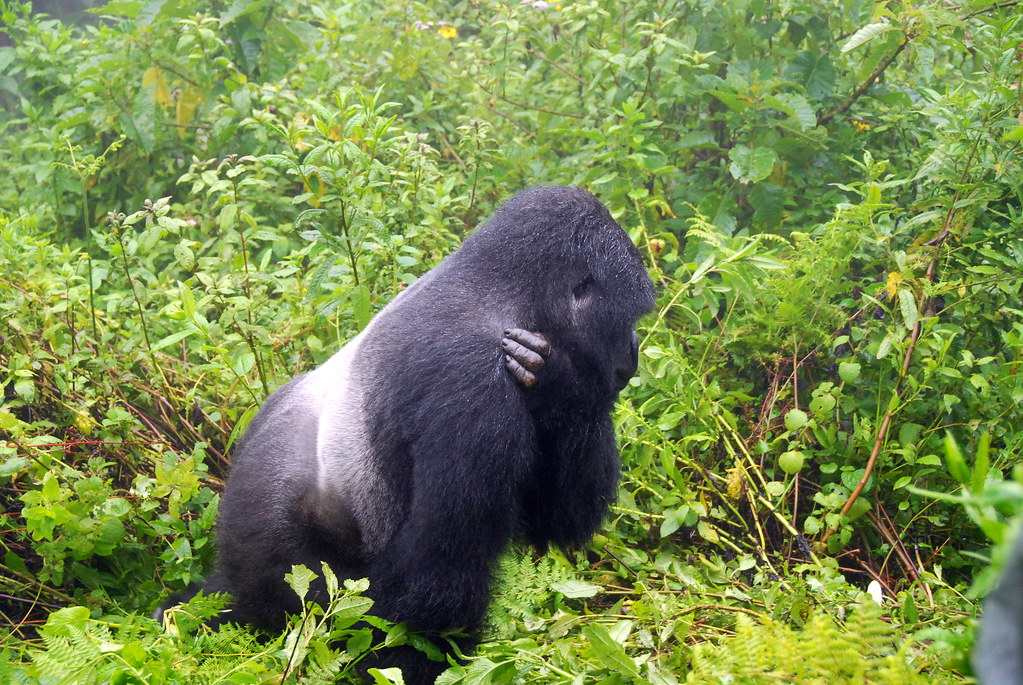
Mountain gorilla trekking is the signature experience of Volcanoes National Park and one of Africa’s most extraordinary wildlife adventures. The opportunity to observe endangered mountain gorillas in their natural habitat attracts visitors from around the world.
The experience begins at the park headquarters in Kinigi, where visitors receive a briefing from park officials before being assigned to a habituated gorilla family. Groups are limited to eight trekkers per gorilla family, accompanied by experienced guides and trackers who understand the forest and the movements of the gorillas.
The trek passes through cultivated land, bamboo groves and montane forest before reaching the gorillas’ location. Depending on where the assigned family has moved, the hike may take anywhere from about 30 minutes to several hours.
Once the gorillas are located, visitors are generally allowed to spend one hour observing them. During this remarkable encounter, you may see infants tumbling through the vegetation, mothers grooming their young and the dominant silverback calmly watching over his family.
The experience offers an intimate look at the behaviour of one of our closest living relatives and is often the highlight of a visitor’s journey to Rwanda.
Best time to visit: Gorilla trekking is available throughout the year. The relatively drier periods, particularly June to September and December to February, generally provide better trail conditions. The wetter months, especially March to May and October to November, bring lush vegetation but can make hiking more challenging.
Duration: Allow half a day for the trekking experience, although the actual time varies considerably.
Good to know: The minimum age for gorilla trekking in Rwanda is generally 15 years. The standard international visitor permit has been priced at US$1,500 per person, but travellers should confirm the latest fees and any applicable discounts with the Rwanda Development Board before booking. Permits are limited, so advance reservations are strongly recommended, especially during peak travel periods.
Pack waterproof hiking boots, long trousers, gardening-style gloves, a rain jacket and drinking water. Follow the instructions of park guides and maintain the required distance from the gorillas.
For more information, explore our Rwanda gorilla trekking safaris and private gorilla trekking tours.
2. Golden Monkey Tracking
Golden monkey tracking is another popular activity in Volcanoes National Park and an excellent addition to a gorilla trekking itinerary.
Golden monkeys are endangered primates recognised by their golden-orange coats, expressive faces and lively behaviour. They inhabit the bamboo forests of the Virunga Mountains, where they feed on bamboo shoots, fruits and other vegetation.
Unlike gorillas, which can spend considerable time resting or feeding, golden monkeys are usually energetic and constantly moving through the forest. Watching them leap between bamboo stalks, forage in large troops and interact with one another creates excellent opportunities for wildlife photography.
The activity typically takes place in the lower forested slopes of the Virunga volcanoes. Although the trek can involve uneven or muddy terrain, it is generally less demanding than mountain gorilla trekking.
Visitors spend approximately one hour observing the monkeys after locating the troop. Including the briefing and hike, the entire experience usually takes two to four hours, depending on the group’s location.
Best time to visit: Golden monkeys can be tracked throughout the year. June to September and December to February often provide more favourable hiking conditions. Morning excursions are particularly popular.
Duration: Approximately two to four hours, including one hour with the monkeys.
Good to know: The commonly published permit price for international visitors has been US$100 per person. Confirm current rates, age requirements and availability when booking. Golden monkey tracking is a wonderful alternative for travellers who want another primate encounter or wish to extend their wildlife experience beyond gorillas.
For a broader wildlife experience, combine this activity with a Rwanda primate safari or a Rwanda and Uganda gorilla trekking tour.
3. Hiking the Virunga Volcanoes
Volcanoes National Park is a remarkable destination for hikers, with dramatic peaks, volcanic landscapes, bamboo forests and sweeping views across the Virunga mountain chain.
Several volcanoes can be explored through guided hikes, although not every peak is accessible from the Rwandan side. The available routes, permits and cross-border arrangements depend on the mountain you intend to climb.
Hikes are led by authorised guides and park personnel. Porters may also be available to carry bags and equipment. Good physical fitness, suitable footwear and preparation for rapidly changing mountain weather are essential.
Mount Bisoke: Hike to a Crater Lake
Mount Bisoke rises to approximately 3,711 metres and is one of the most popular volcano hikes in the region. Its main attraction is a beautiful crater lake near the summit, surrounded by steep volcanic slopes and often shrouded in mist.
The trail passes through farmland, bamboo forest and higher-altitude vegetation before reaching the summit. On clear days, hikers can enjoy impressive views of neighbouring volcanic peaks and the surrounding landscape.
The hike typically takes around five to seven hours for the round trip, depending on fitness, trail conditions and the pace of the group.
Best time: The relatively drier months generally offer more favourable trail conditions, although the summit can remain misty even during dry periods.
Mount Karisimbi: Rwanda’s Highest Peak
At approximately 4,507 metres, Mount Karisimbi is Rwanda’s highest mountain and one of the most challenging hiking destinations in the Virunga range.
The climb is normally undertaken over two days, with an overnight stay at a designated high-altitude campsite before the final ascent. The route passes through different vegetation zones and offers dramatic views across the surrounding mountains.
Temperatures can drop significantly at higher elevations, and mist, rain and strong winds may make the climb difficult. Occasionally, frost or light snow may occur near the summit.
Mount Karisimbi is best suited to experienced or well-prepared hikers who are comfortable with strenuous high-altitude trekking.
Best time: June to September and December to February are generally preferred, subject to current weather and trail conditions.
Mount Gahinga: A Scenic Volcanic Adventure
Mount Gahinga, approximately 3,474 metres high, is one of the smaller volcanoes in the Virunga chain. Its landscape includes bamboo forest, open slopes and a swampy crater near the summit.
The hike offers an opportunity to experience the region’s volcanic environment away from the more familiar gorilla trekking routes.
The route can still be demanding, and hikers should allow sufficient time for the ascent and descent. Access and hiking arrangements should be confirmed with the relevant park authorities.
Mount Sabyinyo: The Mountain with Jagged Peaks
Mount Sabyinyo rises to approximately 3,634 metres and is famous for its rugged, tooth-like summit ridges. Its name is often associated with the appearance of an old man’s worn teeth.
The mountain offers a challenging hiking experience involving steep slopes, exposed sections and ladders on some routes. Its summit area lies close to the borders of Rwanda, Uganda and the Democratic Republic of Congo.
However, hiking access to Mount Sabyinyo is generally organised from Uganda’s Mgahinga Gorilla National Park. Travellers should not assume that a summit hike is available from the Rwandan side without confirming current arrangements.
Mount Muhabura: A Challenging Summit Hike
Mount Muhabura, at approximately 4,127 metres, is a striking volcanic cone on the Rwanda–Uganda border. Its steep profile makes it one of the most visually distinctive peaks in the region.
The hike is strenuous and requires good endurance, with the route passing through changing vegetation zones towards the upper slopes. A small crater lake near the summit adds to the mountain’s appeal, while clear weather can reveal expansive views of the Virunga landscape.
As with other cross-border volcano hikes, access is generally organised from the Ugandan side. Confirm the route, permits and logistics before including it in your itinerary.
Hiking advice: Allow adequate time for acclimatisation where appropriate, carry waterproof clothing, bring sufficient drinking water and follow the instructions of authorised guides. Weather can change rapidly, even during the drier seasons.
Travellers interested in mountain adventures can combine these experiences with Rwanda hiking tours and East African adventure safaris.
4. The Dian Fossey Tomb Hike
The Dian Fossey Tomb Hike offers a deeper understanding of the conservation history behind Rwanda’s mountain gorilla population.
Dian Fossey was an American primatologist who dedicated her life to studying and protecting mountain gorillas. In 1967, she established the Karisoke Research Center between Mount Karisimbi and Mount Bisoke. Her research and conservation work helped draw international attention to the threats facing these endangered animals.
Fossey was killed in 1985 and buried near her former research camp beside Digit, a gorilla she had studied, and other gorillas killed by poachers.
The guided hike passes through cultivated land and montane forest before reaching the historic research area and burial site. Along the way, visitors may encounter birds, forest vegetation and other signs of the region’s rich biodiversity.
Beyond the physical challenge, the experience provides a moving perspective on the sacrifices made to protect mountain gorillas and the continuing importance of conservation.
The trek generally takes several hours, with the total duration depending on the route, weather and fitness of the group.
Best time: The drier months are often more comfortable, although the hike can be arranged throughout the year subject to access and weather conditions.
Good to know: The trail can be steep, muddy and physically demanding. Suitable hiking boots, waterproof clothing and a reasonable level of fitness are recommended.
The Dian Fossey Tomb Hike is an excellent addition to a Rwanda gorilla conservation tour or a longer wildlife itinerary.
5. Visit the Twin Lakes of Burera and Ruhondo
The Twin Lakes of Burera and Ruhondo are among northern Rwanda’s most beautiful natural attractions. Located near Musanze, these scenic lakes lie among rolling green hills, terraced farmland and traditional rural settlements, with the Virunga volcanoes providing a spectacular backdrop.
Lake Burera and Lake Ruhondo are separated by a narrow strip of land and surrounded by steep slopes that descend towards their calm waters. Fishing boats, cultivated hillsides and small lakeside communities add to the scenery.
Visitors can take a boat trip, enjoy the views from lakeside viewpoints, go birdwatching or spend time exploring nearby villages. Depending on local availability, guided community visits and traditional canoe experiences may also be arranged.
The lakes are particularly appealing after the physical demands of gorilla trekking or volcano hiking. Visitors can relax, enjoy a picnic, photograph the landscape or stay at a nearby lodge overlooking the water.
Best time: The lakes can be visited year-round. The relatively drier months often provide clearer views, while early mornings are especially attractive for photography and observing the surrounding landscape.
Duration: Half a day is sufficient for a short visit, while a full day allows more time for boat trips and community experiences.
Include the lakes in a Rwanda scenic road trip or combine them with a visit to Musanze and Volcanoes National Park.
6. Explore the Musanze Caves
The Musanze Caves offer a fascinating geological experience close to Musanze town. Formed by ancient volcanic activity, the caves contain underground passages, chambers and dramatic rock formations that reveal part of the region’s geological history.
The cave system extends for roughly two kilometres, although the route explored by visitors depends on the organised tour and current access arrangements.
Guided visits take travellers through selected passages where natural openings and lighting reveal the interior structure of the caves. The caves have also provided shelter to local communities during periods of conflict, adding a historical dimension to the visit.
The walking route is generally manageable for visitors with reasonable mobility, but the ground can be uneven, damp and slippery. Helmets and lighting equipment should be used as instructed by the guides.
Bats may be seen in parts of the cave system, making the visit interesting for nature enthusiasts as well as travellers seeking something different from conventional wildlife activities.
Best time: The caves can generally be visited throughout the year, subject to operating conditions. Weather and access arrangements should be checked before travelling.
Duration: Allow approximately two hours for a guided visit.
Musanze Caves are ideal for a rest day, a family outing or an additional excursion during a Musanze cultural and nature tour.
7. Take a Guided Nature Walk in Buhanga Eco-Park
Buhanga Eco-Park is a small forest near Musanze with deep cultural and historical significance. According to Rwandan tradition, the forest is associated with the coronation and purification ceremonies of early kings, and it is linked to the legendary first king, Gihanga.
For generations, the forest’s cultural importance helped protect it, allowing indigenous vegetation and traditional stories to survive.
A guided walk takes visitors along forest paths while local guides explain the area’s royal heritage, traditional beliefs, medicinal plants and conservation value. The peaceful surroundings also provide opportunities to appreciate local birdlife and forest vegetation.
Unlike the more strenuous mountain hikes, Buhanga Eco-Park offers a gentler outdoor experience that can be enjoyed by travellers interested in history, nature and local traditions.
Best time: Visits are possible throughout the year, subject to local access arrangements. Morning walks are particularly pleasant for enjoying the quiet forest environment.
Duration: Approximately one and a half to two hours, depending on the route and level of interest.
Buhanga Eco-Park is a worthwhile addition to a Rwanda cultural tour or a relaxed day exploring the Musanze region.
8. Experience Rwandan Culture at the Gorilla Guardian Village
The Gorilla Guardian Village, also known as Iby’Iwacu Cultural Village, is a community-based cultural attraction near Volcanoes National Park. The name Iby’Iwacu is commonly translated as “our treasures,” reflecting the community’s commitment to preserving Rwandan traditions.
The initiative has been associated with former poachers who transitioned towards conservation and community-based tourism. It demonstrates how tourism can create alternative livelihoods while encouraging local support for wildlife protection.
Visitors are welcomed through traditional music, drumming and Intore dance performances. Depending on the programme, activities may include demonstrations of traditional food preparation, grain grinding, banana beer brewing, archery and traditional healing practices.
A replica of a royal residence introduces visitors to aspects of Rwanda’s historical monarchy, while community interactions provide opportunities to learn about everyday life in the surrounding villages.
Travellers can also support local livelihoods by purchasing handmade crafts and other locally produced items.
Best time: Visits can generally be arranged throughout the year. Many travellers prefer an afternoon visit after morning gorilla or golden monkey trekking, but the schedule should be confirmed with the cultural centre.
Duration: Allow two to three hours for a meaningful cultural experience.
For visitors who want to understand Rwanda beyond its wildlife, the village is a valuable addition to a Rwanda cultural and wildlife safari.
9. Birdwatching in Volcanoes National Park
Volcanoes National Park and the surrounding highland forests offer excellent birdwatching opportunities. The wider Virunga region supports a variety of montane forest and Albertine Rift bird species, attracting both experienced birders and casual nature lovers.
Depending on the habitat and season, visitors may look for colourful turacos, sunbirds, francolins and other forest birds. The Rwenzori turaco and handsome francolin are among the notable species birdwatchers may hope to encounter in the wider region.
Guided walks can help visitors identify birds by their calls, plumage and behaviour. The surrounding wetlands, cultivated hillsides and forests provide additional habitats to explore.
Best time: Early mornings are generally productive for birdwatching. Seasonal conditions affect visibility and bird activity, while the wetter months may bring lush vegetation and challenging walking conditions.
Duration: Allow two to four hours for a dedicated birdwatching excursion, or arrange shorter walks around other activities.
Birdwatching can be combined with a Rwanda nature safari, a forest walk or a longer East Africa birding tour.
10. Attend Kwita Izina, Rwanda’s Gorilla Naming Ceremony
Kwita Izina is Rwanda’s annual gorilla naming ceremony, a major conservation event celebrating the birth of mountain gorillas and the work of the people and organisations protecting them.
Inspired by traditional Rwandan naming customs, the event brings together conservationists, community representatives, tourism professionals, government officials and visitors. It highlights the importance of protecting mountain gorillas while recognising the role local communities play in conservation.
The ceremony is usually held around September, although the exact date and programme vary from year to year. Events may include cultural performances, conservation presentations and community celebrations.
Travellers interested in attending should check the official announcements before finalising their travel dates. Accommodation around Musanze and Kinigi can become particularly busy during major events.
Best time: Travel according to the officially announced event date.
Duration: The main ceremony and associated activities may occupy part or all of a day, depending on the programme.
Kwita Izina is a meaningful addition to a Rwanda gorilla safari for visitors interested in conservation, culture and community development.
11. Take a Community Visit or Village Walk
The communities surrounding Volcanoes National Park are an important part of the wider conservation landscape. Village visits provide an opportunity to learn how local people farm, prepare food, earn a living and interact with the natural environment around the park.
With a local guide, visitors may walk through rural settlements, learn about traditional farming methods, visit local craft makers or discover how community tourism supports livelihoods.
These experiences can provide a more personal understanding of life in northern Rwanda and the relationship between tourism, conservation and community development.
Visitors should respect local customs, ask permission before photographing people and choose responsible operators who work directly with the communities they visit.
Best time: Community visits can generally be arranged throughout the year.
Duration: Allow one to three hours, depending on the activities included.
A village walk works particularly well after a morning wildlife excursion or as part of a Rwanda responsible tourism experience.
12. Enjoy Scenic Lodge Stays Around Volcanoes National Park
Accommodation is part of the overall experience in northern Rwanda. The areas around Kinigi and Musanze offer a range of places to stay, from simple guesthouses and comfortable hotels to high-end lodges overlooking the volcanic landscape.
Some properties provide views of the Virunga Mountains, gardens, fireplaces or outdoor spaces where guests can relax after a day of trekking.
Staying near Kinigi is particularly convenient for early morning gorilla trekking departures, while Musanze offers access to restaurants, shops, caves and other local attractions.
For travellers seeking a slower pace, accommodation around the Twin Lakes of Burera and Ruhondo can provide a peaceful setting for enjoying the countryside.
When selecting accommodation, consider the location of the park headquarters, transport arrangements, meals, walking distances and the time required to reach your next activity.
Explore our Rwanda safari accommodation guide when planning where to stay before or after your trekking experience.
13. Combine Volcanoes National Park with Other Rwanda Destinations
Volcanoes National Park is an excellent starting point for a wider Rwanda adventure. With good itinerary planning, visitors can combine mountain gorillas and volcanic landscapes with wildlife safaris, rainforest exploration and lakeside relaxation.
Volcanoes National Park and Akagera National Park
Akagera National Park offers a different wildlife experience, with savannah landscapes, lakes and opportunities to see animals such as elephants, giraffes, zebras, buffaloes and, with luck, lions and other predators.
Combining the two parks provides a varied itinerary that includes both mountain primates and classic African savannah wildlife.
Explore our Rwanda wildlife safari packages for ideas on planning a multi-park journey.
Volcanoes National Park and Nyungwe National Park
Nyungwe National Park is known for its ancient montane rainforest, chimpanzee tracking, diverse birdlife and canopy walkway.
A combined trip offers a rewarding contrast between the bamboo forests of the Virunga Mountains and the rich biodiversity of southwestern Rwanda.
Discover our Rwanda chimpanzee trekking tours for more information about exploring the country’s rainforest habitats.
Volcanoes National Park and Lake Kivu
Lake Kivu offers a relaxing conclusion to an active mountain adventure. Visitors can enjoy lakeside scenery, boat excursions, swimming at suitable locations, kayaking and time in lakeside towns such as Rubavu or Karongi.
A few nights by the lake can provide a welcome break after demanding hikes and early morning wildlife excursions.
Consider a Rwanda gorilla trekking and Lake Kivu holiday for a balanced combination of wildlife and relaxation.
Extend Your Trip to Uganda
Travellers with additional time can consider extending their East African journey into Uganda, where mountain gorilla trekking, chimpanzee tracking and savannah wildlife safaris offer further opportunities for adventure.
Cross-border travel requires careful planning, including the relevant entry requirements, transport arrangements, park permits and accommodation.
Our Rwanda and Uganda gorilla trekking safari options can help inspire a multi-country itinerary.
Best Time to Visit Volcanoes National Park, Rwanda
Volcanoes National Park is open for nature and wildlife experiences throughout much of the year, but seasonal weather affects trekking conditions, visibility and hiking difficulty.
June to September: This is generally one of the most popular periods for gorilla trekking and mountain hiking. Trails are often drier, although rain and mist remain possible.
December to February: These months usually offer another relatively dry period, making them attractive for gorilla trekking, golden monkey tracking and scenic excursions.
March to May: This is a wetter period, with lush vegetation and more challenging, muddy trails. Visitors may encounter fewer tourists at some times, but conditions can vary.
October to November: Rainfall can make forest trails slippery and mountain hiking more demanding. However, the landscape remains green and beautiful.
There is no single perfect time for every activity. Gorilla sightings are possible throughout the year, while volcano hikes depend heavily on weather, fitness and trail conditions.
Practical Tips for Visiting Volcanoes National Park
Before travelling to Volcanoes National Park, keep the following points in mind:
- Book gorilla permits early: Confirm availability and the current permit price through official channels or a licensed operator.
- Choose suitable accommodation: Staying near Kinigi can make early morning departures more convenient.
- Pack for mountain weather: Bring waterproof hiking boots, a rain jacket, long trousers, warm layers and a small daypack.
- Carry drinking water and snacks: Longer hikes require preparation, although specific park rules and operator arrangements should always be followed.
- Hire a porter if needed: Porters can help carry your equipment and provide valuable local employment.
- Follow wildlife regulations: Maintain the required distance from gorillas, follow the guide’s instructions and never touch or feed wild animals.
- Allow flexibility: Trekking durations vary depending on the location of the animals and the weather.
- Confirm activity details: Permit fees, age limits, access rules and availability can change, so verify them before travelling.
- Plan your transport: A private vehicle or organised transfer can make it easier to reach Kinigi, Musanze and nearby attractions.
- Respect local communities: Ask before taking photographs and support responsible community tourism initiatives.
Frequently Asked Questions About Things to Do in Volcanoes National Park
1. What are the best things to do in Volcanoes National Park?
The leading activities include mountain gorilla trekking, golden monkey tracking, hiking Mount Bisoke, visiting the Dian Fossey Tomb, exploring Musanze Caves, visiting Buhanga Eco-Park and experiencing traditional culture at the Gorilla Guardian Village.
2. Is Volcanoes National Park worth visiting without gorilla trekking?
Yes. Visitors can enjoy golden monkey tracking, volcano hikes where available, guided nature walks, birdwatching, cultural visits, the Twin Lakes and Musanze Caves. These activities offer alternatives for travellers who do not wish to trek gorillas or cannot obtain a permit.
3. How many days should I spend in Volcanoes National Park?
Two to three days is a good starting point for visitors combining gorilla trekking with one or two additional activities. Four or more days allow time for golden monkey tracking, hiking, cultural visits and excursions to the Twin Lakes.
4. How much does gorilla trekking cost in Rwanda?
The standard international gorilla trekking permit has been priced at US$1,500 per person. Accommodation, transport, meals, tips and other activities are additional expenses. Confirm the current rate and any eligible discounts before booking.
5. Can I see golden monkeys and mountain gorillas on the same trip?
Yes. Many travellers combine the two activities over separate trekking sessions. Each activity requires its own arrangements and applicable permit, and the schedule should allow sufficient time for both experiences.
6. Is Volcanoes National Park suitable for families?
Some activities, such as cultural visits, scenic excursions and selected nature experiences, may suit families with children. Gorilla trekking has a minimum age requirement of 15 years. Confirm the current age rules for each activity before booking.
7. Can I visit Volcanoes National Park on a day trip from Kigali?
A day trip is possible, particularly for travellers with a confirmed gorilla trekking permit and reliable transport. However, an overnight stay in Musanze or Kinigi is often more comfortable and provides additional time for other activities.
8. What should I pack for gorilla trekking?
Pack waterproof hiking boots, long trousers, a rain jacket, gardening-style gloves, drinking water, snacks, a small daypack and a camera. Warm layers are useful because mountain temperatures can change quickly.
9. Can I combine Volcanoes National Park with a wildlife safari?
Yes. Volcanoes National Park can be combined with Akagera National Park for savannah wildlife, Nyungwe National Park for rainforest experiences and Lake Kivu for relaxation. Longer itineraries can also include Uganda, subject to border and travel requirements.
10. Do I need a guide to explore Volcanoes National Park?
Activities such as gorilla trekking and organised volcano hikes require authorised guides and park arrangements. For cultural visits and excursions, using knowledgeable local guides is strongly recommended and may be required by the relevant attraction.
Plan Your Volcanoes National Park Adventure
Volcanoes National Park offers far more than a mountain gorilla encounter. From tracking golden monkeys through bamboo forests and climbing volcanic peaks to discovering Rwanda’s royal history and relaxing beside the Twin Lakes, the region rewards visitors with a remarkable variety of experiences.
Whether you have two days or a full week, a well-planned itinerary can combine wildlife, nature, culture and scenic exploration into one memorable journey.
Ready to explore Rwanda? Contact our team to plan your gorilla trekking experience, golden monkey tracking, cultural excursions and multi-destination adventure.
Discover our Rwanda gorilla trekking safaris, Rwanda wildlife safari packages, Rwanda and Uganda safari tours and East Africa safari itineraries to start planning your trip today.