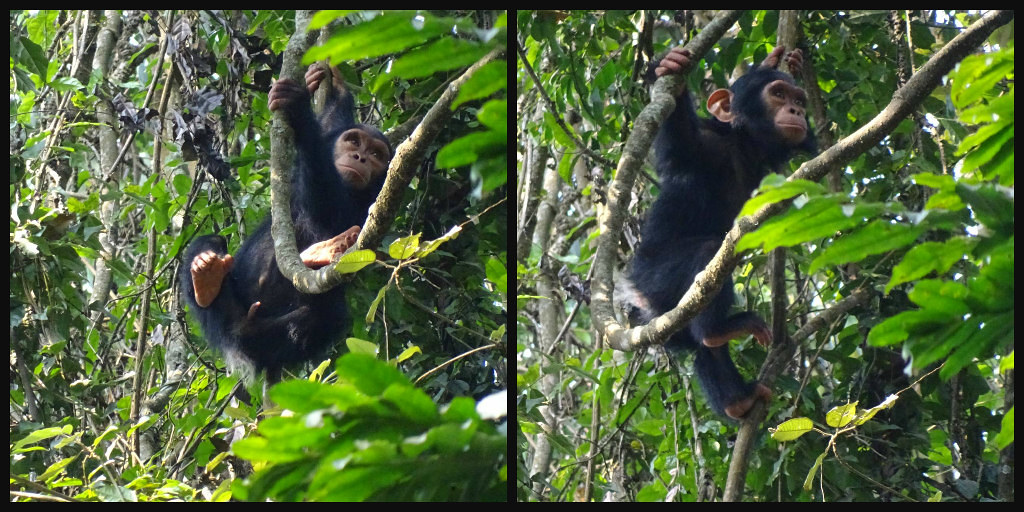
Chimpanzee Trekking in Kibale Forest National Park, Uganda: Permits, Costs, Best Time and Things to Do
Chimpanzee trekking in Kibale Forest National Park is one of the most exciting wildlife experiences in Uganda. Known as the Primate Capital of the World, Kibale is home to an impressive diversity of primates, including large populations of wild chimpanzees. The park offers visitors an opportunity to walk through a tropical rainforest accompanied by experienced guides and trackers in search of habituated chimpanzee communities.
Unlike mountain gorilla trekking, which often involves observing relatively calm gorilla families, chimpanzee trekking is an energetic and unpredictable adventure. Chimpanzees are highly active, vocal and playful animals. They move through the forest in search of food, communicate through loud calls, climb trees, groom one another and interact socially within their communities.
During your chimpanzee trekking experience in Kibale Forest, you may see chimpanzees feeding on fruits, grooming, playing, breastfeeding their young or moving through the forest canopy. You can also learn about their social structure, feeding habits, communication, family relationships and the similarities they share with human beings.
Kibale Forest is particularly famous because it offers some of the most reliable chimpanzee-tracking opportunities in East Africa. Visitors can choose between standard chimpanzee trekking and the more immersive chimpanzee habituation experience, depending on their interests, available time and budget.
Whether you are planning a Uganda primate safari, a family wildlife holiday or a combined gorilla and chimpanzee trekking adventure, Kibale Forest deserves a place on your itinerary.
In this guide, we explore everything you need to know about chimpanzee trekking in Kibale Forest National Park, including permit costs, trekking locations, age requirements, accommodation, transportation, preparation tips and other activities to enjoy in the surrounding area.
1. Chimpanzee Trekking in Kibale Forest National Park
Chimpanzee trekking is the leading tourist activity in Kibale Forest National Park. It involves walking through the rainforest with an armed Uganda Wildlife Authority ranger guide and trackers to locate habituated chimpanzee communities.
The experience normally begins with an early-morning briefing at the designated park headquarters. Visitors are divided into small trekking groups and given instructions about forest safety, chimpanzee behaviour and responsible wildlife viewing.
After the briefing, you enter the forest accompanied by your guide. Trackers usually communicate with the guides to help locate the chimpanzees based on their movements, calls and feeding locations.
The duration of the trek varies depending on where the chimpanzees are located. Some visitors find them relatively quickly, while others may spend several hours walking through the forest.
Once you locate the chimpanzees, standard trekking permits generally allow you to spend up to one hour observing them.
During this time, you may witness several fascinating behaviours, including:
- Chimpanzees climbing trees and moving between branches.
- Mothers carrying and breastfeeding their babies.
- Young chimpanzees playing and chasing one another.
- Adult chimpanzees grooming and interacting socially.
- Chimpanzees feeding on fruits, leaves and other forest vegetation.
- Males communicating through loud pant-hoots and displays.
- Different members of the community moving together through the forest.
Chimpanzees are highly intelligent and social primates. Watching them interact in their natural environment offers a remarkable opportunity to understand their behaviour and relationship with the surrounding ecosystem.
Fitness requirements: Chimpanzee trekking can involve walking over uneven, muddy and sometimes steep forest trails. A reasonable level of fitness is recommended, although the difficulty depends on the location of the chimpanzees and the prevailing trail conditions.
2. How Much Is a Chimpanzee Trekking Permit in Kibale?
A chimpanzee trekking permit is required for visitors who want to participate in the standard chimpanzee trekking experience in Kibale Forest National Park.
Uganda Wildlife Authority manages the permits, and prices depend on the visitor’s residency and nationality category.
For planning purposes, the commonly published permit reference rates are:
| Visitor category | Standard trekking permit |
|---|---|
| Foreign non-resident | $250 |
| Foreign resident | $200 |
| East African citizen | UGX 180,000 |
These are reference rates and should be reconfirmed with Uganda Wildlife Authority before booking, particularly for travel dates in 2027 and beyond.
The permit covers the guided chimpanzee-tracking activity and the authorised viewing period. Accommodation, transport, meals and other safari activities should be budgeted separately. Confirm the current park-entry and permit inclusions when making your reservation.
Why Book Your Permit in Advance?
Chimpanzee trekking permits are limited because the park regulates the number of visitors allowed to visit a chimpanzee community at a particular time. Booking early is especially important during Uganda’s busy tourism seasons, school holidays and international travel periods.
A tour operator can assist with checking availability, securing permits and coordinating transport and accommodation.
3. Chimpanzee Habituation Experience in Kibale Forest
For visitors who want to spend more time with chimpanzees, Kibale Forest offers the Chimpanzee Habituation Experience (CHEX).
Unlike standard chimpanzee trekking, which involves visiting an already habituated community, the habituation experience allows visitors to accompany researchers, trackers and guides as they follow chimpanzees that are still becoming accustomed to human presence.
The experience starts early in the morning, often before the chimpanzees leave their overnight nesting locations.
Visitors follow the chimpanzees as they wake up, move through the forest, search for food, interact with other members of their community and eventually build their nests for the evening.
The experience provides a deeper understanding of chimpanzee behaviour and the conservation work involved in habituating wild primates.
How Much Is the Chimpanzee Habituation Permit?
Commonly published reference rates include:
| Visitor category | Habituation permit |
|---|---|
| Foreign non-resident | $300 |
| Foreign resident | $250 |
| East African citizen | UGX 250,000 |
The habituation experience generally allows up to four hours of observation after locating the chimpanzees, subject to the applicable rules and conditions.
Always confirm the current rates, age requirements and availability with Uganda Wildlife Authority before making travel arrangements.
Which experience should you choose?
Standard chimpanzee trekking is suitable for visitors with limited time who want to see chimpanzees in their natural habitat. The habituation experience is ideal for photographers, primate enthusiasts, researchers and travelers who want a longer and more immersive encounter.
4. Where Does Chimpanzee Trekking Take Place in Kibale?
Chimpanzee trekking takes place within designated tourism areas of Kibale Forest National Park, particularly around the Kanyanchu visitor centre.
Kanyanchu is the main starting point for many of the park’s primate-tracking activities. Visitors meet their guides, receive a briefing and enter the forest to search for habituated chimpanzee communities.
The forest is characterised by dense vegetation, tall trees, thick undergrowth and a network of walking trails.
The chimpanzees are not confined to one location. They move throughout the forest depending on food availability, weather conditions and social activities.
For this reason, trekking distances and durations vary from one day to another.
The park is also home to other primates, including:
- Red colobus monkeys.
- Black-and-white colobus monkeys.
- L’Hoest’s monkeys.
- Grey-cheeked mangabeys.
- Red-tailed monkeys.
- Olive baboons.
- Blue monkeys.
Visitors may encounter some of these species during their chimpanzee trekking experience, although sightings depend on the location and conditions.
5. What Is the Best Time for Chimpanzee Trekking in Kibale?
Chimpanzee trekking in Kibale Forest is available throughout the year. However, weather conditions can influence the difficulty of walking through the rainforest.
Uganda has two broad dry seasons and two wetter periods.
Dry Seasons
The main drier periods generally occur from December to February and June to September.
These months are popular for chimpanzee trekking because forest trails are often easier to navigate. They are also convenient for travelers combining Kibale with gorilla trekking in Bwindi Impenetrable National Park or wildlife safaris in Queen Elizabeth National Park.
Rainy Seasons
The wetter periods generally occur around March to May and October to November.
During these months, the forest becomes especially green and beautiful. However, trails can become muddy and slippery, making trekking more physically demanding.
Rain does not necessarily prevent chimpanzee sightings. Chimpanzees remain active throughout the year, although their movements and feeding behaviour can change.
Our recommendation: Kibale can be visited throughout the year. Choose your travel dates based on your wider Uganda itinerary, availability of permits and preferred weather conditions.
6. Other Things to Do in Kibale Forest National Park
Chimpanzee trekking is the main attraction, but Kibale Forest offers several other activities for visitors interested in nature, wildlife and cultural experiences.
Nature Walks in Kibale Forest
Guided nature walks provide an opportunity to explore the rainforest beyond chimpanzee trekking.
You can discover different tree species, medicinal plants, forest birds, butterflies and smaller wildlife while learning about the ecological importance of the forest.
These walks are suitable for visitors who enjoy photography, birdwatching and learning about tropical rainforest ecosystems.
Visit Bigodi Wetland Sanctuary
Bigodi Wetland Sanctuary is one of the most rewarding attractions near Kibale Forest National Park.
Located close to the park’s main tourism area, the wetland is managed through community-based conservation initiatives and offers guided walks through swamp vegetation and forest-edge habitats.
Visitors can encounter several bird species and primates, including:
- Great blue turacos.
- African grey parrots.
- Papyrus gonoleks.
- Black-and-white colobus monkeys.
- Red colobus monkeys.
- Red-tailed monkeys.
- Grey-cheeked mangabeys.
The wetland is particularly attractive to birdwatchers because of its diverse birdlife and beautiful natural scenery.
A guided walk usually takes approximately two to three hours, depending on the route and wildlife sightings.
Birdwatching in Kibale
Kibale is an excellent destination for birdwatching, with more than 370 recorded bird species.
Some of the birds visitors may encounter include the African pitta, green-breasted pitta, great blue turaco, black bee-eater and various forest-dwelling species.
Birdwatching can be arranged along forest trails and around Bigodi Wetland Sanctuary.
Cultural Experiences Around Kibale
The communities surrounding Kibale offer opportunities to learn about traditional Ugandan lifestyles.
Visitors can explore local villages, discover traditional farming practices, learn about local food preparation and interact with community members.
Cultural experiences can also include traditional dance, storytelling, craft demonstrations and visits to local households, depending on availability.
These experiences provide a valuable opportunity to understand the relationship between local communities, tourism and forest conservation.
7. How Far Is Kibale Forest National Park From Kampala?
Kibale Forest National Park is approximately 300–350 kilometres from Kampala, depending on your starting point and the route taken.
The journey normally takes around five to six hours by road, although traffic, road conditions and stops can increase the travel time.
The most popular route passes through:
Kampala – Mityana – Mubende – Kyegegwa – Fort Portal – Kibale Forest.
The journey offers beautiful views of Uganda’s countryside, traditional villages, plantations and rolling hills.
Fort Portal is the nearest major town and a convenient base for visitors exploring Kibale Forest.
Travelers can also combine their journey with other attractions, including crater lakes, tea plantations and the scenic landscapes surrounding Fort Portal.
Getting to Kibale From Entebbe International Airport
Visitors arriving at Entebbe International Airport can travel directly to Kibale Forest by road.
The journey takes approximately six to seven hours, depending on traffic and the final accommodation location.
For visitors planning an early-morning chimpanzee trek, we recommend spending the first night near Kibale rather than attempting to travel from Entebbe on the morning of the activity.
Self-Drive to Kibale Forest National Park
A self-drive safari in Uganda is an excellent option for travelers who prefer flexibility and independence.
You can rent a 4×4 vehicle in Kampala or Entebbe and drive to Kibale Forest, stopping along the way to explore local attractions and enjoy the countryside.
A reliable 4×4 is recommended, particularly if you intend to explore rural areas, crater lakes and other destinations beyond the main highways.
For visitors planning to combine Kibale with Queen Elizabeth National Park, Bwindi Impenetrable National Park and Murchison Falls, a suitable safari vehicle provides greater flexibility.
Before setting off, confirm the road conditions, fuel availability, park access arrangements and the location of your accommodation.
8. Where to Stay Near Kibale Forest National Park
Kibale has several accommodation options ranging from luxury forest lodges to comfortable midrange properties and budget guesthouses.
Your choice should depend on your budget, preferred comfort level and proximity to the chimpanzee trekking meeting point.
Primate Lodge Kibale
Primate Lodge is one of the best-known accommodation properties near Kibale’s Kanyanchu visitor centre.
The lodge offers forest surroundings and comfortable accommodation, making it convenient for travelers planning early-morning chimpanzee trekking.
It is particularly suitable for visitors who want to minimise their transfer time to the tracking headquarters.
Turaco Treetops
Turaco Treetops is a forest-oriented lodge in the Kibale area, offering accommodation surrounded by natural vegetation.
It is an attractive option for travelers who appreciate nature, privacy and a peaceful environment.
The property is suitable for couples, families and visitors looking for a comfortable base for exploring the region.
Kibale Forest Camp
Kibale Forest Camp is a popular accommodation option for visitors interested in a nature-focused safari experience.
It offers tented accommodation and camping-style facilities, making it worth considering for travelers seeking a more affordable forest experience.
Chimpanzee Forest Guesthouse
Chimpanzee Forest Guesthouse is another option in the wider Kibale area.
It provides a convenient base for visitors exploring the park and nearby attractions, including Bigodi Wetland Sanctuary.
Kyaninga Lodge
Kyaninga Lodge is a luxury property near Fort Portal, overlooking Lake Kyaninga and the surrounding crater landscape.
It is an excellent choice for travelers looking for high-end accommodation, scenic views and a relaxing experience before or after visiting Kibale.
Isunga Lodge
Isunga Lodge offers accommodation in the wider Kibale area, with views of the surrounding countryside and forest landscape.
It is worth considering for visitors who prefer a quieter atmosphere and convenient access to regional attractions.
Accommodation tip: Before booking, confirm the distance between your lodge and the assigned chimpanzee trekking meeting point. An early start makes proximity particularly important.
9. What Should You Pack for Chimpanzee Trekking in Kibale?
Kibale is a tropical rainforest, and rainfall can occur even during the drier months. Proper clothing and equipment will make your trekking experience more comfortable.
We recommend packing:
- Waterproof hiking boots with good grip.
- Long trousers and long-sleeved shirts.
- A lightweight waterproof jacket.
- A small backpack.
- Drinking water.
- Energy snacks where permitted.
- Insect repellent.
- Sunscreen.
- A camera with a protective cover.
- Binoculars for birdwatching.
- A walking stick, if needed.
- Personal medication.
- A small first-aid kit.
Wear comfortable clothes that you do not mind getting muddy.
It is also advisable to carry a pair of gardening gloves if you prefer extra protection when holding vegetation for balance, subject to your guide’s instructions.
Avoid wearing brightly coloured clothing if possible, and follow your guide’s recommendations on appropriate forest clothing.
10. Chimpanzee Trekking Rules and Age Requirements
Chimpanzee trekking is a regulated wildlife activity designed to protect both visitors and chimpanzees.
Before entering the forest, visitors receive a briefing explaining the rules and responsible wildlife-viewing practices.
Important guidelines include:
- Maintain the minimum viewing distance required by Uganda Wildlife Authority.
- Never feed chimpanzees.
- Avoid touching wild animals.
- Do not make unnecessary noise or sudden movements.
- Follow your ranger guide’s instructions.
- Avoid trekking when you are sick, particularly if you have symptoms of a contagious respiratory illness.
- Do not leave food or litter in the forest.
- Avoid using flash photography.
- Do not attempt to attract chimpanzees by making noises.
- Respect the authorised viewing time.
What Is the Minimum Age for Chimpanzee Trekking in Kibale?
The standard minimum age for chimpanzee trekking in Kibale Forest is generally 12 years.
Children below the minimum age are not normally permitted to participate in standard chimpanzee tracking.
Age rules and exceptions should be confirmed directly with Uganda Wildlife Authority before booking, especially when travelling with children.
For families with younger children, alternative activities around Fort Portal and Bigodi can provide enjoyable nature experiences without entering the chimpanzee tracking activity.
11. How to Prepare for Chimpanzee Trekking
A little preparation will help you enjoy your chimpanzee trekking adventure.
Book permits early: Secure your chimpanzee trekking permits before finalising other arrangements. Confirm the trekking date, session and meeting location.
Arrive the previous day: The briefing takes place early in the morning. Staying near Kanyanchu makes it easier to reach the meeting point on time.
Prepare physically: You do not need to be an athlete, but walking through a tropical rainforest requires reasonable fitness.
Carry enough water: Trekking can take several hours, especially when chimpanzees are moving through different parts of the forest.
Listen to your guide: Your ranger guide understands chimpanzee behaviour and knows how to approach the animals responsibly.
Respect the wildlife: Chimpanzees are wild animals. Never attempt to touch, feed or approach them independently.
Check your travel documents: Carry your passport or other required identification and your permit booking confirmation.
12. How Many Days Do You Need in Kibale Forest?
A two-night, three-day visit is a good starting point for travelers who want to experience chimpanzee trekking and explore some of the surrounding attractions.
Suggested 3-Day Kibale Forest Itinerary
| Day | Activities | Overnight |
|---|---|---|
| Day 1 | Depart Kampala or Entebbe, drive to Fort Portal, explore the crater lakes and check into your lodge | Kibale |
| Day 2 | Early-morning chimpanzee trekking at Kanyanchu, followed by a Bigodi Wetland guided walk | Kibale |
| Day 3 | Breakfast, visit a tea plantation or local community, and depart for your next destination | Next destination |
Suggested 4-Day Kibale Forest Itinerary
| Day | Activities | Overnight |
|---|---|---|
| Day 1 | Kampala – Fort Portal, with countryside sightseeing | Fort Portal |
| Day 2 | Chimpanzee trekking in Kibale Forest | Kibale |
| Day 3 | Bigodi Wetland, birdwatching and cultural experiences | Kibale |
| Day 4 | Explore crater lakes and transfer to Queen Elizabeth National Park or return to Kampala | Next destination |
The four-day option is particularly suitable for travelers who want a relaxed experience without rushing between activities.
13. Combine Kibale Chimpanzee Trekking With Other Uganda Safari Destinations
One of the advantages of visiting Kibale Forest is its location within western Uganda, where several remarkable wildlife destinations can be combined into one safari.
Kibale and Bwindi Impenetrable National Park
Combining chimpanzee trekking in Kibale with mountain gorilla trekking in Bwindi is one of Uganda’s most rewarding primate safari experiences.
You begin with chimpanzees in the tropical rainforest of Kibale before continuing to Bwindi to encounter endangered mountain gorillas.
The experience allows you to observe two of the world’s most fascinating great apes in their natural habitats.
Explore our Uganda chimpanzee and gorilla trekking safaris for combined primate adventures.
Kibale and Queen Elizabeth National Park
Queen Elizabeth National Park is an excellent addition to a Kibale chimpanzee trekking safari.
The park offers traditional game drives, boat safaris along the Kazinga Channel and opportunities to see elephants, buffaloes, hippos, lions and several antelope species.
The Ishasha sector is particularly famous for its tree-climbing lions.
The two destinations can be combined into a wildlife and primate safari lasting approximately five to seven days, depending on your preferred activities.
Kibale and Murchison Falls National Park
Murchison Falls National Park offers a completely different wildlife experience.
Visitors can enjoy game drives across the savannah, boat cruises along the River Nile and visits to the spectacular Murchison Falls.
Combining Kibale and Murchison Falls provides an opportunity to experience Uganda’s rainforest and savannah ecosystems during one holiday.
Kibale and Semuliki National Park
Semuliki National Park is another interesting addition for travelers who enjoy rainforest ecosystems and birdwatching.
The park is famous for its Sempaya hot springs, Central African forest vegetation and diverse birdlife.
It offers a different forest experience from Kibale and is particularly appealing to nature enthusiasts.
Kibale and Lake Bunyonyi
Lake Bunyonyi is a beautiful destination for relaxation after an active primate safari.
Visitors can enjoy canoeing, boat excursions, scenic viewpoints and peaceful lakeside accommodation.
It is particularly suitable for couples and travelers who want to combine wildlife adventures with relaxation.
14. Frequently Asked Questions About Chimpanzee Trekking in Kibale
Where is Kibale Forest National Park located?
Kibale Forest National Park is located in western Uganda, near Fort Portal. It is approximately 300–350 kilometres from Kampala by road.
How much does chimpanzee trekking cost in Kibale?
The commonly published standard trekking permit price for foreign non-residents is $250 per person. Foreign residents pay $200, while East African citizens pay UGX 180,000. Confirm the latest Uganda Wildlife Authority tariff before booking.
How long does chimpanzee trekking take?
Chimpanzee trekking can take approximately two to six hours, depending on the location and movements of the chimpanzees. The standard viewing period is generally limited to one hour after finding them.
How long is the chimpanzee habituation experience?
The chimpanzee habituation experience allows visitors up to four hours of observation after locating the chimpanzees, subject to applicable park regulations.
What is the difference between chimpanzee trekking and habituation?
Standard trekking involves visiting an already habituated chimpanzee community and spending up to one hour observing it. Habituation involves following chimpanzees that are still becoming accustomed to human presence and offers a longer observation experience.
What is the minimum age for chimpanzee trekking in Kibale?
The generally applicable minimum age is 12 years. Confirm the current age requirements and any exceptions with Uganda Wildlife Authority.
Can I see chimpanzees throughout the year?
Yes. Kibale offers chimpanzee trekking throughout the year. Sightings are generally good, although weather and chimpanzee movements influence the experience.
Is chimpanzee trekking difficult?
The difficulty varies. Some treks involve relatively easy walking, while others require navigating steep, muddy and uneven forest trails. Reasonable fitness is recommended.
Where does chimpanzee trekking start in Kibale?
The main chimpanzee trekking activities start at the Kanyanchu visitor centre, where visitors meet their guides and receive a briefing.
Can I combine chimpanzee trekking with gorilla trekking?
Yes. You can combine Kibale Forest with Bwindi Impenetrable National Park or Mgahinga Gorilla National Park for a combined Uganda chimpanzee and mountain gorilla trekking safari.
How many days should I spend in Kibale?
Two nights and three days are sufficient for a basic visit involving chimpanzee trekking and one additional activity. Three or four nights are recommended if you want to explore more of the surrounding region.
Can I visit Kibale Forest on a self-drive safari?
Yes. Kibale is accessible by road, and visitors can rent a suitable vehicle in Kampala or Entebbe. A 4×4 is recommended if you intend to explore additional rural attractions and national parks.
Is Kibale Forest suitable for family safaris?
Yes. Families with children who meet the minimum chimpanzee trekking age can enjoy the experience. Younger children can participate in suitable alternative activities around Fort Portal and Bigodi.
What other animals can I see in Kibale Forest?
Apart from chimpanzees, Kibale is home to several primates, forest elephants, duikers, bushbucks, butterflies and numerous bird species. Wildlife sightings vary depending on the season and location.
Book Your Chimpanzee Trekking Safari in Kibale Forest
Chimpanzee trekking in Kibale Forest National Park is an unforgettable experience for anyone interested in wildlife, nature and primate conservation.
Whether you choose standard chimpanzee trekking or the extended habituation experience, Kibale offers an exceptional opportunity to observe wild chimpanzees in their natural environment.
You can also extend your adventure by combining Kibale with gorilla trekking in Bwindi, wildlife viewing in Queen Elizabeth National Park, boat safaris, crater lakes and cultural experiences around Fort Portal.
We can help you plan a Uganda safari that matches your travel dates, preferred activities, accommodation standards and budget.
Our safari planning assistance can include:
- Chimpanzee trekking permit arrangements.
- Chimpanzee habituation experience bookings.
- Uganda 4×4 car rental and self-drive safaris.
- Private safari vehicles with driver-guides.
- Accommodation reservations.
- Combined chimpanzee and gorilla trekking itineraries.
- Multi-destination Uganda wildlife safaris.
Request a quotation for your Kibale Forest chimpanzee trekking adventure.
Share your intended travel dates, number of travelers, nationality or residency category, preferred trekking experience and accommodation budget so that your safari can be planned accordingly.