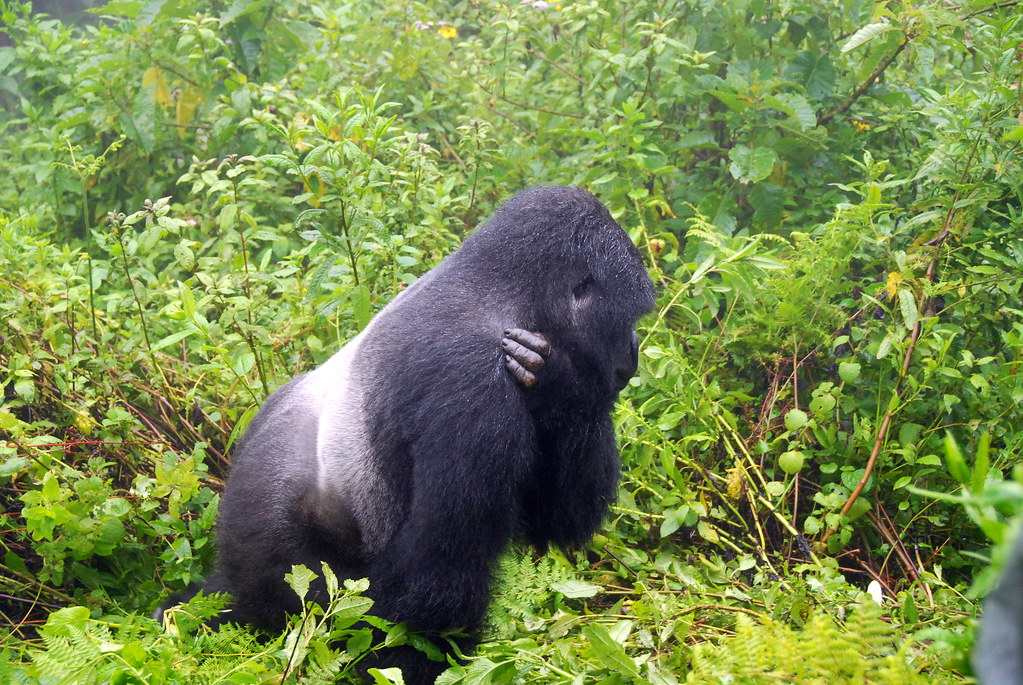
Uganda Gorilla Trekking: Permits, Costs, Best Time & Complete Travel Guide
Uganda is one of the best destinations in Africa and the world for encountering endangered mountain gorillas in their natural habitat. For many travelers, Uganda gorilla trekking is the highlight of their African adventure, offering an extraordinary opportunity to come face to face with these magnificent primates in the forests of southwestern Uganda.
The experience takes place in two protected areas: Bwindi Impenetrable National Park and Mgahinga Gorilla National Park. These spectacular destinations form part of the larger Virunga-Bwindi mountain gorilla conservation landscape, providing a natural home for several habituated mountain gorilla families.
Imagine walking through an ancient tropical rainforest, surrounded by towering trees, thick vegetation, beautiful mountain scenery and the sounds of the African wilderness. Suddenly, your guide signals that a gorilla family is nearby. You take a few careful steps forward and find yourself observing a family of mountain gorillas feeding, grooming, resting and interacting in their natural environment.
It is a remarkable wildlife encounter that creates lasting memories and provides an opportunity to appreciate the importance of mountain gorilla conservation.
At our safari team, we help travelers organize memorable gorilla trekking experiences in Uganda, from securing permits and arranging transportation to selecting accommodation and designing customized itineraries that match individual interests, travel schedules and budgets.
Whether you are planning a short gorilla trekking excursion, a wildlife safari or a longer East African holiday, Uganda offers an unforgettable opportunity to discover mountain gorillas and explore some of Africa’s most beautiful natural destinations.
About Uganda
Uganda is a beautiful, landlocked country in East Africa, popularly known as the Pearl of Africa because of its remarkable landscapes, diverse wildlife, tropical forests, lakes, rivers and welcoming people.
The country is bordered by Kenya, Tanzania, Rwanda, South Sudan and the Democratic Republic of the Congo. Its capital city, Kampala, is the main commercial and administrative center, while Entebbe International Airport serves as the principal international gateway for most visitors.
Uganda is famous for its exceptional biodiversity and variety of tourism experiences. Travelers can encounter mountain gorillas in Bwindi Impenetrable National Park, track chimpanzees in Kibale Forest, enjoy wildlife safaris in Queen Elizabeth National Park, explore the powerful waterfalls of Murchison Falls National Park or discover the beautiful landscapes of Lake Bunyonyi.
The country also offers opportunities for mountain climbing, birdwatching, cultural experiences, white-water rafting and relaxing holidays around its numerous lakes.
For travelers interested in mountain gorillas, southwestern Uganda is the main destination.
Uganda Gorilla Trekking in Bwindi and Mgahinga National Parks
Uganda gorilla trekking is one of Africa’s most extraordinary wildlife experiences. It allows visitors to enter the natural habitat of endangered mountain gorillas and spend approximately one hour observing a habituated gorilla family under the supervision of experienced Uganda Wildlife Authority guides.
The activity takes place in two national parks.
Bwindi Impenetrable National Park
Bwindi Impenetrable National Park is Uganda’s most popular mountain gorilla trekking destination and one of the most important mountain gorilla conservation areas in the world.
Located in southwestern Uganda, the park is characterized by ancient rainforest, steep valleys, mountainous terrain and thick vegetation.
Bwindi is home to a significant proportion of the world’s remaining mountain gorillas and offers several habituated gorilla families available for tourism.
The park is divided into four main gorilla trekking sectors:
- Buhoma: Located in the northern part of Bwindi, Buhoma is one of the park’s established trekking areas, with several accommodation options and access to forest walks.
- Ruhija: Situated in the eastern part of Bwindi, Ruhija offers beautiful mountain scenery, forest habitats and excellent birdwatching opportunities.
- Rushaga: Located in southern Bwindi, Rushaga is particularly popular for its gorilla trekking opportunities and the Gorilla Habituation Experience.
- Nkuringo: Found in southwestern Bwindi, Nkuringo offers spectacular mountain views and access to some of the park’s more challenging hiking trails.
When booking your gorilla permit, it is important to select the appropriate trekking sector because the permit is associated with the designated entry point.
Mgahinga Gorilla National Park
Mgahinga Gorilla National Park is another excellent destination for mountain gorilla trekking in Uganda.
Located in southwestern Uganda, the park forms part of the Virunga Mountains, a volcanic mountain range shared by Uganda, Rwanda and the Democratic Republic of the Congo.
The park features bamboo forests, montane vegetation, volcanic landscapes and beautiful views of the surrounding mountains.
Mgahinga is home to the Nyakagezi gorilla family, which is available for habituated gorilla trekking.
Unlike the larger Bwindi forest, Mgahinga offers a different trekking environment characterized by bamboo vegetation and volcanic mountain scenery.
Visitors can also combine gorilla trekking with golden monkey tracking, the Batwa Trail cultural experience and volcano hiking.
Where Can You See Mountain Gorillas in Uganda?
Mountain gorillas in Uganda can be seen in Bwindi Impenetrable National Park and Mgahinga Gorilla National Park, both situated in the southwestern part of the country.
Bwindi is the most popular destination, with four main trekking sectors: Buhoma, Ruhija, Rushaga and Nkuringo.
Mgahinga offers an alternative experience in the Virunga Mountains, where visitors can encounter the Nyakagezi gorilla family.
The journey to these parks depends on your starting point and chosen trekking sector.
From Entebbe or Kampala, the drive to Bwindi generally takes approximately 8–10 hours, depending on the sector, road conditions and traffic. Mgahinga is also reached through a long road journey from central Uganda.
Travelers who prefer shorter journeys can consider domestic scheduled or charter flights to airstrips serving southwestern Uganda, followed by road transfers to their lodges.
Many visitors choose to spend the night near their selected trekking sector to make the early-morning briefing more convenient.
How Does Gorilla Trekking in Uganda Take Place?
Gorilla trekking in Uganda normally begins early in the morning at the designated park headquarters.
After breakfast, you travel to the trekking briefing point in your selected sector. Park authorities register visitors, verify permits and provide important information about the trekking experience.
During the briefing, you learn about mountain gorilla behavior, conservation practices, safety guidelines and the rules that must be followed during the encounter.
Visitors are then allocated to available habituated gorilla families according to the park’s arrangements.
Each trekking group is accompanied by experienced Uganda Wildlife Authority guides and trackers who understand the forest and monitor the movements of the gorillas.
Once the briefing is completed, you begin hiking into the forest in search of your assigned gorilla family.
Because mountain gorillas move freely through their natural habitat, their location changes from day to day. Some families may be found relatively close to the starting point, while others require several hours of hiking through steep and sometimes muddy terrain.
When the gorillas are located, visitors are allowed approximately one hour to observe them.
This is a wonderful opportunity to watch their natural behavior, photograph the animals and appreciate the close family relationships that characterize these intelligent primates.
After the encounter, you follow your guides back through the forest and return to your accommodation.
It is important to remember that gorilla trekking is a genuine wildlife experience rather than a zoo visit. Mountain gorillas live freely in their natural environment, and visitors must follow all established conservation guidelines.
How Long Does Gorilla Trekking Take in Uganda?
The duration of Uganda gorilla trekking depends on the location of the assigned gorilla family, the trekking sector, weather conditions and the terrain.
According to the Uganda Wildlife Authority, a typical gorilla trek may take approximately 2–7 hours, although some experiences can be shorter or longer.
The complete experience includes:
- Morning registration and briefing.
- Meeting your assigned guides and trackers.
- Hiking through the forest.
- Searching for the assigned gorilla family.
- Approximately one hour observing the gorillas.
- Returning from the forest.
Because the exact location of the gorillas cannot be known in advance, travelers should keep the entire day flexible.
We recommend avoiding tight schedules immediately after the trek, particularly if you have an onward journey or another activity planned.
How Difficult Is Gorilla Trekking in Uganda?
Gorilla trekking in Uganda can be moderately challenging or physically demanding, depending on the location of the gorilla family and the conditions of the forest.
Bwindi Impenetrable National Park is characterized by steep slopes, thick vegetation, narrow trails and mountainous terrain. Some trekking routes involve climbing through dense vegetation and walking on muddy ground.
Mgahinga also has challenging mountain trails, although the vegetation and overall trekking environment are different.
Your fitness level, the weather and the distance to the gorillas will influence how difficult the experience feels.
You do not need to be a professional hiker or mountaineer to participate. However, a reasonable level of physical fitness and the ability to walk on uneven ground are recommended.
Travelers who are concerned about the difficulty should inform their tour operator before the trekking day.
Hiring a local porter is another excellent way to make the experience more comfortable. Porters can carry your backpack and provide assistance along difficult sections of the trail.
Hiring a porter also supports local livelihoods and communities surrounding the national parks.
What Is the Best Time for Gorilla Trekking in Uganda?
Gorilla trekking in Uganda is available throughout the year, making it possible to plan your visit during any season.
However, certain months generally offer more favorable hiking conditions.
The main dry seasons are:
- June to September: Generally considered one of the best periods for gorilla trekking because rainfall is often lower and forest trails may be easier to navigate.
- December to February: Another relatively dry period, offering good opportunities for trekking and exploring other parts of Uganda.
The wetter seasons generally occur during March to May and October to November. During these months, rainfall can make the forest trails muddy and slippery.
Nevertheless, gorilla trekking continues throughout the rainy seasons, and visitors can still enjoy remarkable encounters with mountain gorillas.
Uganda also offers selected low-season gorilla trekking permit rates during April, May and November, subject to the applicable Uganda Wildlife Authority tariff and booking conditions.
The best time to visit ultimately depends on your travel dates, permit availability, accommodation preferences and other activities you wish to include in your Uganda holiday.
For travelers combining gorilla trekking with Uganda wildlife safaris, chimpanzee trekking in Kibale Forest or a relaxing holiday around Lake Bunyonyi, we recommend planning the itinerary according to the overall travel experience.
How Much Does Gorilla Trekking in Uganda Cost?
The cost of Uganda gorilla trekking depends on the permit category, accommodation, transportation and additional services included in your safari package.
According to the Uganda Wildlife Authority’s published January 2027–June 2028 conservation tariff, the standard gorilla trekking permit prices are:
| Visitor category | Standard gorilla permit |
|---|---|
| Foreign non-resident | US$800 |
| Foreign resident | US$700 |
| Rest of Africa | US$500 |
| East African citizen | UGX 300,000 (tariff summary; park-specific rates should be confirmed) |
The low-season rates for eligible foreign non-residents and foreign residents during April, May and November are:
| Visitor category | Low-season permit |
|---|---|
| Foreign non-resident | US$600 |
| Foreign resident | US$500 |
Low-season permits have special booking conditions, so travelers should confirm eligibility, availability and rescheduling restrictions before payment.
Uganda also offers a more extended Gorilla Habituation Experience in Bwindi, which allows visitors to spend up to four hours with a gorilla group undergoing habituation.
The published 2027–2028 habituation permit rates are:
| Visitor category | Gorilla Habituation Experience |
|---|---|
| Foreign non-resident | US$1,800 |
| Foreign resident | US$1,500 |
| Rest of Africa | US$1,000 |
| East African citizen | UGX 750,000 |
The standard gorilla permit includes the guide fee, park entrance for the activity day and a community development contribution.
The permit is only one component of the overall trip cost. Other expenses may include:
| Safari component | What it covers |
|---|---|
| Gorilla trekking permit | Official permit for one trek |
| Accommodation | Budget, mid-range or luxury lodging |
| Transportation | Private 4×4 vehicle and transfers |
| Professional guide | Safari guiding and coordination |
| Meals | Depending on accommodation and package |
| Airport transfers | Entebbe airport pickup and drop-off |
| Porter services | Assistance during the forest hike |
| Additional activities | Chimpanzee trekking, golden monkeys and cultural visits |
The total cost of your gorilla trekking holiday will therefore depend on the number of days, accommodation category, number of travelers and activities included.
Our team can help you create a customized Uganda gorilla trekking package based on your preferred travel dates, accommodation and budget.
Important: Uganda Wildlife Authority tariffs are subject to change. Confirm the applicable rates and permit conditions before booking.
What Is the Gorilla Habituation Experience in Uganda?
The Gorilla Habituation Experience is a special primate activity available in Bwindi Impenetrable National Park.
Unlike ordinary gorilla trekking, which involves visiting an already habituated gorilla family for approximately one hour, the habituation experience allows visitors to accompany researchers, trackers and habituation teams as they work with a gorilla group that is still becoming accustomed to human presence.
The experience is particularly attractive to wildlife enthusiasts, photographers and travelers who want to learn more about mountain gorilla behavior and conservation.
Visitors can spend up to four hours observing the gorillas under the supervision of the authorized team.
The experience provides an opportunity to learn about:
- Mountain gorilla social behavior.
- Family relationships and group dynamics.
- Gorilla conservation and research.
- The habituation process.
- Threats facing endangered mountain gorillas.
- The importance of protecting their natural habitat.
Gorilla habituation is generally more expensive than standard trekking and requires a separate permit.
Rushaga in southern Bwindi is the main area associated with this experience. Availability and the designated habituation arrangements should be confirmed before booking.
How to Book a Uganda Gorilla Trekking Permit
Gorilla trekking permits are limited because the number of visitors allowed to see each habituated gorilla family is restricted.
Uganda Wildlife Authority manages the gorilla permit booking system, and permits are issued according to the selected trekking date and designated entry sector.
For this reason, booking your permit in advance is strongly recommended, particularly during popular travel periods.
The booking process generally involves the following steps:
- Choose your preferred gorilla trekking date.
- Select your preferred park and trekking sector.
- Confirm the number of travelers and their passport details.
- Check permit availability through an authorized tour operator or Uganda Wildlife Authority.
- Confirm the applicable permit rate and visitor category.
- Complete the required payment.
- Arrange accommodation and transportation.
- Receive your booking confirmation and prepare for the trekking experience.
Foreign non-resident permits must be purchased through a tour operator licensed by the Uganda Tourism Board under UWA’s published booking guidelines.
We recommend securing your gorilla permit before making non-refundable hotel or flight arrangements.
How Old Do You Have to Be to Go Gorilla Trekking in Uganda?
The minimum age for gorilla trekking in Uganda is 15 years.
This age restriction is important for families planning a holiday with children. Children below 15 years are not permitted to participate in mountain gorilla tracking.
However, Uganda offers several other attractions suitable for family holidays.
Families traveling with younger children can consider:
- Wildlife viewing in Queen Elizabeth National Park.
- Boat trips along the Kazinga Channel.
- Wildlife safaris in Lake Mburo National Park.
- Cultural experiences around Lake Bunyonyi.
- Guided sightseeing in Kampala and Entebbe.
- Nature walks in suitable areas of Uganda.
For families with teenagers aged 15 and above, gorilla trekking can be an excellent addition to a wider Uganda safari.
What Should You Wear for Gorilla Trekking in Uganda?
Choosing appropriate clothing is important for a comfortable and enjoyable gorilla trekking experience.
The forest environment can be wet, muddy and cool, particularly at higher elevations. Thick vegetation may also make some sections of the trail difficult to navigate.
We recommend wearing:
- Long hiking trousers to protect your legs from vegetation.
- A long-sleeved shirt.
- Comfortable waterproof hiking boots with good grip.
- Long socks that can be pulled over your trousers.
- A lightweight waterproof jacket.
- Gardening or hiking gloves.
- A hat or cap.
- Comfortable outdoor clothing that you do not mind getting dirty.
Good hiking boots are particularly important because the trails can become slippery after rainfall.
Avoid wearing expensive or delicate clothes. Practical outdoor gear will make your experience much more comfortable.
What Should You Pack for Gorilla Trekking?
You do not need to carry too much equipment for your gorilla trek. However, packing the right essentials can make a significant difference.
We recommend bringing:
- Drinking water.
- A few energy snacks for before or after the gorilla encounter.
- Waterproof jacket.
- Long-sleeved shirts.
- Long hiking trousers.
- Hiking boots.
- Gardening gloves.
- Hat or cap.
- Camera or smartphone.
- Extra batteries or a power bank.
- Sunscreen.
- Insect repellent.
- Small personal first-aid supplies.
- Waterproof bag for electronics.
- Passport or required identification.
- Personal medication.
Try to keep your backpack reasonably light because you may need to walk for several hours.
If you have heavier equipment, you can hire a local porter at the park.
What Happens If It Rains During Gorilla Trekking?
Rain is a normal part of the tropical rainforest environment in Bwindi and Mgahinga.
Even during months that are generally considered dry, rainfall can occur unexpectedly because of the parks’ altitude and changing mountain weather.
Fortunately, rain does not automatically cancel gorilla trekking. Visitors should be prepared for wet conditions regardless of their travel season.
A waterproof jacket, hiking boots with good grip and protection for your electronic equipment are essential.
Although rain can make the trails more challenging, it also contributes to the beautiful green vegetation and mist-covered mountain scenery that make Uganda’s gorilla trekking destinations so special.
Is Gorilla Trekking in Uganda Safe?
Yes. Gorilla trekking in Uganda is a regulated wildlife activity conducted under the supervision of trained Uganda Wildlife Authority guides and trackers.
Visitors are briefed before entering the forest and must follow established rules designed to protect both the gorillas and the people participating in the trek.
Mountain gorillas are generally peaceful animals, but they remain wild animals and must always be treated with respect.
Important guidelines include:
- Maintain the required viewing distance of at least 10 metres under current UWA guidelines.
- Never attempt to touch a gorilla.
- Keep your voice low when observing the animals.
- Avoid sudden movements.
- Do not use flash photography.
- Never feed the gorillas.
- Follow your guide’s instructions at all times.
- Do not litter in the forest.
- Avoid trekking if you have a contagious illness.
- Do not eat, drink or smoke during the encounter.
Uganda’s standard gorilla trekking groups are limited to a maximum of eight visitors per gorilla family, and the viewing time is limited to one hour.
An especially important consideration is the health of the gorillas. Because mountain gorillas are susceptible to human respiratory infections, visitors with colds, flu or other contagious illnesses should not participate in the trek.
Why Choose Uganda for Gorilla Trekking?
Uganda is an excellent destination for mountain gorilla trekking because of its biodiversity, beautiful landscapes, conservation efforts and variety of tourism experiences.
One of the country’s greatest advantages is the opportunity to combine gorilla trekking with several other wildlife and nature activities.
Other reasons to choose Uganda include:
Two gorilla trekking destinations: Visitors can choose between Bwindi Impenetrable National Park and Mgahinga Gorilla National Park.
Gorilla Habituation Experience: Uganda offers a special opportunity to spend up to four hours with a gorilla group undergoing habituation.
Diverse wildlife: You can combine gorilla trekking with chimpanzee tracking, game drives, boat safaris and birdwatching.
Beautiful scenery: Southwestern Uganda features mountain forests, volcanic landscapes, crater lakes and spectacular countryside.
Cultural experiences: Visitors can discover local traditions and learn about the Batwa communities through appropriate cultural experiences.
Flexible itineraries: Uganda is suitable for short gorilla trekking excursions as well as longer wildlife holidays.
Best Uganda Gorilla Trekking Safari Packages
Uganda offers several opportunities to combine mountain gorilla trekking with other destinations and activities.
We can customize your itinerary according to your interests, available time and preferred accommodation.
3 Days Uganda Gorilla Trekking Safari
A short Uganda gorilla trekking holiday designed for travelers with limited time.
The itinerary normally includes a transfer to Bwindi or Mgahinga, an overnight stay near the selected park and a guided mountain gorilla trekking experience.
4 Days Uganda Gorillas and Lake Bunyonyi
Combine mountain gorilla trekking in Bwindi with relaxation around the beautiful Lake Bunyonyi.
Enjoy scenic countryside, lake views, optional boat excursions and a peaceful atmosphere after your forest adventure.
5 Days Uganda Gorillas and Queen Elizabeth Safari
Experience mountain gorilla trekking in Bwindi before continuing to Queen Elizabeth National Park for wildlife viewing.
The safari can include game drives and a boat cruise along the Kazinga Channel, famous for its concentration of hippos, elephants and other wildlife.
6 Days Uganda Gorillas and Chimpanzees
Explore two of Uganda’s most remarkable primate destinations.
Combine mountain gorilla trekking in Bwindi with chimpanzee tracking in Kibale Forest National Park.
This itinerary is ideal for travelers interested in primates and rainforest experiences.
7 Days Uganda Wildlife and Gorilla Safari
Enjoy a broader Uganda safari combining mountain gorilla trekking, chimpanzee tracking and traditional wildlife viewing.
Depending on your interests, the itinerary can include Queen Elizabeth National Park, Kibale Forest, Bwindi and Lake Bunyonyi.
You can also extend your holiday with a regional adventure combining Uganda and Rwanda gorilla trekking, Kenya and Tanzania wildlife safaris or a longer East Africa safari.
Where Should You Stay for Gorilla Trekking in Uganda?
Choosing suitable accommodation is an important part of planning your gorilla trekking holiday.
Most visitors stay in lodges around Buhoma, Ruhija, Rushaga, Nkuringo or Mgahinga, depending on the trekking sector selected.
Accommodation options range from simple guesthouses to comfortable mid-range hotels and luxury lodges.
Budget Accommodation
Budget accommodation is suitable for travelers who want to keep their holiday affordable while prioritizing the gorilla trekking experience.
These properties generally provide practical rooms, basic facilities and convenient access to the park’s trekking headquarters.
Mid-Range Accommodation
Mid-range hotels and lodges offer a balance between comfort, facilities and affordability.
They are suitable for couples, families and small groups who want comfortable accommodation before and after their trekking adventure.
Luxury Accommodation
Luxury lodges around Bwindi and Mgahinga offer a more exclusive experience, often featuring spacious suites, beautiful mountain views, personalized services, fine dining and relaxing surroundings.
These properties are ideal for honeymooners, luxury travelers and visitors seeking a premium gorilla trekking holiday.
When selecting accommodation, consider its distance from the designated trekking headquarters, meal arrangements, transportation requirements and cancellation policies.
It is particularly important to choose accommodation in the same sector as your gorilla permit to avoid unnecessary early-morning transfers.
Gorilla Trekking in Uganda or Rwanda: Which Is Better?
Uganda and Rwanda are two of the most popular destinations for mountain gorilla trekking in Africa.
Both countries offer opportunities to encounter endangered mountain gorillas in their natural habitats, but the overall travel experience differs.
Uganda’s main advantages include its two gorilla trekking destinations, the Gorilla Habituation Experience and the opportunity to combine gorilla trekking with extensive wildlife safaris.
Rwanda’s main advantage is accessibility. Volcanoes National Park is relatively close to Kigali, making it particularly suitable for short gorilla trekking holidays.
Uganda is generally more affordable for international visitors when comparing standard gorilla permit prices. However, the total cost of either safari depends on accommodation, transportation, travel duration and additional activities.
The choice depends on your budget, travel dates, preferred itinerary and the type of experience you want.
Travelers can also combine both countries in a longer holiday, experiencing mountain gorillas in Uganda and Rwanda as part of a regional East African adventure.
Frequently Asked Questions About Uganda Gorilla Trekking
1. How much is a gorilla trekking permit in Uganda?
The standard permit for foreign non-residents costs US$800 per person under the published 2027–2028 UWA tariff. Reduced rates apply to eligible foreign residents, Rest of Africa visitors and East African citizens.
2. Where can I see mountain gorillas in Uganda?
Mountain gorillas can be seen in Bwindi Impenetrable National Park and Mgahinga Gorilla National Park in southwestern Uganda.
3. What is the minimum age for gorilla trekking in Uganda?
The minimum age is 15 years. Children below this age cannot participate in mountain gorilla tracking.
4. How long does gorilla trekking take?
The trek can take approximately 2–7 hours or longer, depending on the location of the gorilla family and the hiking conditions. Visitors are allowed approximately one hour with the gorillas.
5. Is gorilla trekking difficult in Uganda?
It can be physically demanding because of steep slopes, muddy trails and dense forest vegetation. However, you do not need to be an experienced mountaineer.
6. What is the best month for gorilla trekking in Uganda?
June to September and December to February are generally considered favorable periods because rainfall is often lower. However, trekking is available throughout the year.
7. Can I take photographs of mountain gorillas?
Yes. Photography is permitted, but flash photography is prohibited. Always follow your guide’s instructions and maintain the required distance.
8. Can I touch a mountain gorilla?
No. Visitors must never attempt to touch mountain gorillas. They are wild animals, and maintaining a safe distance helps protect both visitors and gorillas.
9. Should I hire a porter during gorilla trekking?
Yes. Hiring a porter is recommended, particularly for visitors who need assistance carrying backpacks or navigating difficult sections of the forest. It also provides income to local community members.
10. How far in advance should I book my Uganda gorilla trekking permit?
We recommend booking as early as possible, especially if you have fixed travel dates or intend to visit during the busy travel seasons. Gorilla permits are limited and subject to availability.
11. What is the Gorilla Habituation Experience?
It is a special activity in Bwindi that allows visitors to spend up to four hours with a gorilla group undergoing habituation, accompanied by authorized researchers, trackers and guides.
12. Can I combine gorilla trekking with chimpanzee tracking?
Yes. You can combine gorilla trekking in Bwindi with chimpanzee tracking in Kibale Forest National Park as part of a longer Uganda primate safari.
13. Can I combine gorilla trekking with a wildlife safari?
Absolutely. You can combine gorilla trekking with wildlife safaris in Queen Elizabeth National Park, Murchison Falls National Park and Lake Mburo National Park.
14. Can I combine Uganda gorilla trekking with Rwanda?
Yes. Uganda and Rwanda can be combined in one East African holiday. You can visit Bwindi or Mgahinga in Uganda and Volcanoes National Park in Rwanda, subject to cross-border travel and permit arrangements.
15. Is Uganda gorilla trekking suitable for senior travelers?
Yes, provided the traveler is physically capable of participating in the hike. Trekking difficulty varies, and visitors should discuss mobility or fitness concerns with their tour operator before booking.
Plan Your Uganda Gorilla Trekking Experience
Gorilla trekking is much more than simply seeing an animal. It is an opportunity to enter one of Africa’s most beautiful natural environments and spend time observing one of the world’s most remarkable endangered species.
From the ancient rainforest of Bwindi to the volcanic landscapes of Mgahinga, Uganda offers an unforgettable combination of wildlife, scenery, conservation and cultural experiences.
Whether you are planning a short gorilla trekking excursion, a family holiday, a honeymoon or a longer East African adventure, our safari team can help you organize a memorable journey.
We assist with gorilla trekking permits, private transportation, accommodation reservations, airport transfers and customized safari itineraries.
Our team can also help you combine gorilla trekking with Queen Elizabeth wildlife safaris, Kibale chimpanzee trekking, Murchison Falls safaris, Lake Bunyonyi holidays, golden monkey tracking and cross-border adventures in Rwanda, Kenya and Tanzania.
Request Your Uganda Gorilla Trekking Package
Ready to experience mountain gorillas in their natural habitat?
Contact our safari team with your preferred travel dates, number of travelers, accommodation preferences and estimated budget.
We will help you plan a gorilla trekking experience that matches your travel interests and schedule.
Discover Uganda. Experience the mountain gorillas. Explore East Africa.