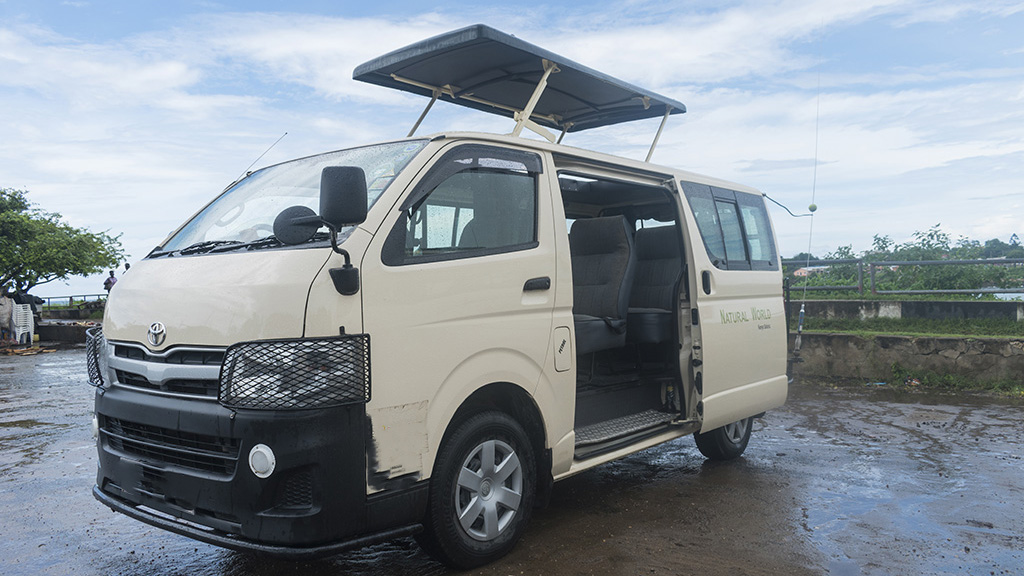
How to Plan a Trip to Uganda: A First-Timer’s Travel Guide with Self Drive Rwanda
Planning your first trip to Uganda? Known as the Pearl of Africa, Uganda is one of East Africa’s most rewarding travel destinations, offering extraordinary wildlife encounters, breathtaking landscapes, tropical rainforests, beautiful lakes and unforgettable cultural experiences. From tracking mountain gorillas in Bwindi Impenetrable National Park to watching tree-climbing lions in Queen Elizabeth National Park and exploring the source of the River Nile in Jinja, Uganda has something special for every traveller.
Uganda is an excellent destination for adventurous visitors who want to experience Africa independently. Its diverse landscapes, welcoming communities and extensive network of tourist destinations make it ideal for guided holidays and self-drive safaris in Uganda.
Whether you are planning a gorilla trekking adventure, a wildlife safari, a road trip through the countryside or a longer East African journey, hiring a reliable 4×4 vehicle gives you the freedom to explore at your own pace.
At Self Drive Rwanda, we help travellers discover East Africa through reliable vehicle rental solutions and independent travel arrangements. Our regional travel approach makes it easier to plan adventures across Rwanda, Uganda, Kenya and Tanzania.
This comprehensive Uganda travel guide for first-time visitors explains everything you need to know before travelling, including the best time to visit, visa requirements, popular destinations, transportation, estimated costs, what to pack and how to organise your Uganda self-drive adventure.
1. When Is the Best Time to Visit Uganda?
Uganda is a year-round travel destination because of its tropical climate, although weather conditions vary depending on altitude and geographical location.
The country generally experiences two relatively dry seasons and two rainy seasons. Your preferred activities will determine the most suitable time to travel.
June to September – Main Dry Season
June to September is one of the best periods for exploring Uganda. The weather is generally drier, making it suitable for wildlife safaris, gorilla trekking, chimpanzee tracking and road trips.
This season is particularly popular for:
- Mountain gorilla trekking in Bwindi Impenetrable National Park.
- Chimpanzee tracking in Kibale Forest.
- Wildlife safaris in Queen Elizabeth National Park.
- Game drives in Murchison Falls National Park.
- Exploring Lake Bunyonyi and other scenic destinations.
- Self-drive road trips across Uganda.
Because this is a popular travel period, we recommend booking gorilla permits, accommodation and rental vehicles early.
December to February – Short Dry Season
December to February is another favourable period for visiting Uganda. The weather is generally suitable for outdoor activities, and wildlife viewing can be rewarding.
It is an excellent time to combine several destinations, including Murchison Falls, Kibale Forest, Queen Elizabeth National Park and Bwindi.
March to May – Long Rainy Season
March to May is generally the longer rainy season in many parts of Uganda.
The countryside becomes beautifully green, forests are lush and waterfalls are impressive. This period is particularly attractive to photographers and birdwatchers.
However, some unpaved roads and forest trails can become muddy. If you are planning a Uganda self-drive safari, a reliable 4×4 vehicle is strongly recommended.
October to November – Short Rainy Season
October and November bring another rainy period. Although rainfall can affect some road journeys, visitors can still enjoy gorilla trekking, chimpanzee tracking and wildlife safaris.
This season can be attractive for travellers looking for quieter experiences and lush landscapes.
Our recommendation: June to September and December to February are excellent choices for first-time visitors who want to combine wildlife safaris, primate tracking and independent road travel. However, Uganda offers rewarding experiences throughout the year.
2. Uganda Visa Requirements and Entry Information
Before travelling to Uganda, it is important to understand the country’s immigration requirements.
Uganda welcomes international visitors, and eligible travellers can apply for a tourist visa through the official online immigration system before arrival.
Depending on your nationality, you may qualify for visa exemptions or special entry arrangements.
Before departure, make sure you:
- Have a passport meeting Uganda’s validity requirements, generally at least six months.
- Check the visa requirements applicable to your nationality.
- Complete your visa application through the official immigration portal where required.
- Carry your return or onward flight information.
- Keep your accommodation and travel details available.
- Carry a valid yellow fever vaccination certificate as required by Uganda’s entry regulations.
East African Tourist Visa
Travellers planning to explore several East African countries can consider the East African Tourist Visa.
The visa allows eligible visitors to travel between Uganda, Rwanda and Kenya under one tourist visa arrangement, subject to the applicable conditions.
It is particularly convenient for visitors planning a Rwanda and Uganda gorilla trekking safari, a Uganda-Kenya wildlife adventure or a longer East African road trip.
Travellers should remember that the East African Tourist Visa does not automatically cover Tanzania or other neighbouring countries.
For current visa information, application procedures and fees, consult the official Uganda Directorate of Citizenship and Immigration Control website.
3. How Many Days Do You Need to Explore Uganda?
Uganda has many attractions spread across different regions. Although some destinations are relatively close to each other, travelling between national parks can take several hours.
Your ideal holiday duration will depend on the number of activities you want to include.
2 to 4 Days – Short Uganda Adventure
A short visit is suitable for travellers with limited time who want to experience one major attraction.
Possible activities include:
- Exploring Kampala and Entebbe.
- Visiting Jinja and the source of the Nile.
- A short wildlife safari in Lake Mburo National Park.
- A gorilla trekking excursion in Bwindi, if your schedule allows sufficient travel time.
- Exploring Lake Bunyonyi.
5 to 7 Days – Uganda Wildlife and Gorilla Safari
One week provides enough time to combine several of Uganda’s major attractions.
A possible itinerary includes:
- Day 1: Arrival in Entebbe or Kampala.
- Day 2: Transfer to Murchison Falls National Park.
- Day 3: Morning game drive and afternoon Nile boat cruise.
- Day 4: Transfer towards Kibale Forest.
- Day 5: Chimpanzee tracking and Bigodi Wetland Sanctuary.
- Day 6: Transfer to Queen Elizabeth National Park.
- Day 7: Game drive or boat cruise before continuing your journey.
Alternatively, travellers can focus on southwestern Uganda and combine gorilla trekking with Lake Bunyonyi and Queen Elizabeth National Park.
8 to 10 Days – Complete Uganda Adventure
For a more comprehensive experience, consider spending 8 to 10 days exploring Uganda.
You can combine:
- Murchison Falls National Park.
- Kibale Forest National Park.
- Queen Elizabeth National Park.
- Bwindi Impenetrable National Park.
- Lake Bunyonyi.
- Lake Mburo National Park.
This itinerary provides opportunities for wildlife safaris, chimpanzee tracking, mountain gorilla trekking, boat cruises and scenic road trips.
12 to 14 Days – Uganda Self-Drive Road Trip
Two weeks is ideal for travellers who want to discover Uganda independently.
A longer road trip allows you to explore northern, western and southwestern Uganda without rushing.
You can include Murchison Falls, Kibale Forest, Queen Elizabeth, Bwindi, Lake Bunyonyi, Lake Mburo and Jinja, depending on your starting and finishing points.
With a reliable 4×4 car rental in Uganda, you can enjoy the flexibility of choosing your own accommodation, spending more time at interesting destinations and exploring the countryside along the way.
4. Best Places to Visit in Uganda
Uganda has an impressive collection of national parks, tropical rainforests, lakes, mountains and cultural destinations.
Here are some of the best places to include in your first Uganda holiday.
Kampala – Uganda’s Capital City
Kampala is the capital of Uganda and an excellent starting point for exploring the country.
The city is famous for its vibrant markets, cultural attractions, restaurants, nightlife and historical sites.
Some of the best things to do in Kampala include:
- Visiting the Uganda Museum.
- Exploring the Kasubi Tombs.
- Visiting the Bahá’í Temple.
- Discovering Owino and Nakasero markets.
- Exploring local restaurants and cultural centres.
- Visiting the Gaddafi National Mosque.
Kampala is also a convenient location for arranging your Uganda car rental before beginning a self-drive adventure.
Entebbe – Gateway to Uganda
Entebbe is located along the shores of Lake Victoria and is home to Uganda’s main international airport.
The town is quieter than Kampala and offers several attractions for visitors.
Popular activities include visiting the Uganda Wildlife Conservation Education Centre, exploring the Entebbe Botanical Gardens, taking boat excursions on Lake Victoria and enjoying the lakeside atmosphere.
Many international visitors spend their first or last night in Entebbe before beginning their Uganda safari.
Murchison Falls National Park – Uganda’s Largest National Park
Murchison Falls National Park is one of Uganda’s most spectacular wildlife destinations.
Located in northwestern Uganda, the park is famous for its powerful waterfall, savannah landscapes, riverine forests and diverse wildlife.
The Nile River passes through a narrow gorge before plunging dramatically down the falls.
Wildlife includes:
- African elephants.
- Lions.
- Leopards.
- Rothschild’s giraffes.
- Buffaloes.
- Uganda kob.
- Hippos.
- Nile crocodiles.
Popular activities include morning and afternoon game drives, Nile boat cruises, hiking to the top of Murchison Falls and birdwatching.
The park is an excellent destination for a Uganda self-drive safari, although visitors should follow park regulations and use suitable vehicles on safari tracks.
Kibale Forest National Park – Chimpanzee Tracking
Kibale Forest National Park is one of Africa’s most famous destinations for chimpanzee tracking.
Located in western Uganda, the park protects a tropical rainforest with an impressive diversity of primates, birds and other wildlife.
The main attraction is guided chimpanzee tracking, which allows visitors to observe wild chimpanzees in their natural environment.
Other activities include:
- Chimpanzee tracking.
- Chimpanzee habituation experiences.
- Birdwatching.
- Guided forest walks.
- Bigodi Wetland Sanctuary visits.
- Cultural experiences in surrounding communities.
Kibale is an excellent destination to combine with Queen Elizabeth National Park and Murchison Falls.
Queen Elizabeth National Park – Tree-Climbing Lions and Wildlife Safaris
Queen Elizabeth National Park is one of Uganda’s most popular safari destinations.
Located in western Uganda, the park features savannah plains, wetlands, crater lakes, forests and beautiful views of the Rwenzori Mountains.
It is especially famous for the tree-climbing lions found in the Ishasha sector.
Other wildlife includes elephants, buffaloes, Uganda kob, hippos, crocodiles and numerous bird species.
Popular safari activities include:
- Game drives in Kasenyi Plains.
- Searching for tree-climbing lions in Ishasha.
- Boat cruises along the Kazinga Channel.
- Birdwatching.
- Guided nature walks.
- Exploring crater lakes.
A 3-day Queen Elizabeth National Park safari is an excellent option for visitors looking for a rewarding wildlife experience.
Bwindi Impenetrable National Park – Mountain Gorilla Trekking
Bwindi Impenetrable National Park is one of Africa’s most remarkable rainforest destinations and a UNESCO World Heritage Site.
The park protects a significant population of endangered mountain gorillas and is one of the world’s best places to experience gorilla trekking.
Visitors are accompanied by experienced park rangers and trackers who guide them through the forest in search of habituated gorilla families.
Other activities include:
- Mountain gorilla trekking.
- Gorilla habituation experiences in designated sectors.
- Birdwatching.
- Guided forest walks.
- Batwa cultural experiences.
Gorilla trekking can be physically demanding because the forest terrain is steep, muddy and densely vegetated.
We recommend spending at least two nights around Bwindi to allow sufficient time for your trekking experience.
Lake Bunyonyi – Uganda’s Most Beautiful Lakeside Retreat
Lake Bunyonyi is one of Uganda’s most beautiful destinations and an ideal place to relax after gorilla trekking.
Located in southwestern Uganda, the lake is surrounded by rolling green hills and dotted with numerous small islands.
Popular activities include:
- Canoeing and boat excursions.
- Birdwatching.
- Swimming in designated safe areas.
- Lakeside relaxation.
- Community visits.
- Hiking and nature walks.
Lake Bunyonyi is particularly attractive to couples, families and independent travellers who want to enjoy Uganda’s scenic countryside.
Lake Mburo National Park – Wildlife and Nature Experiences
Lake Mburo National Park is one of Uganda’s most accessible wildlife parks from Kampala and Entebbe.
The park is particularly famous for zebras, impalas, elands, buffaloes, hippos and other wildlife.
Activities include game drives, boat trips, guided nature walks, horseback safaris and birdwatching.
Its relatively compact size makes it an excellent addition to a short Uganda road trip.
Jinja – Source of the River Nile
Jinja is one of Uganda’s most exciting adventure destinations.
Located near the source of the River Nile, the town attracts travellers interested in water activities, adventure sports and cultural experiences.
Popular activities include:
- White-water rafting.
- Kayaking.
- Boat trips along the Nile.
- Visiting the source of the Nile.
- Quad biking.
- Horse riding.
- Bungee jumping.
- Exploring local markets and restaurants.
Jinja is an excellent destination to include before or after a wildlife safari.
5. Gorilla Trekking in Uganda: Everything First-Time Visitors Should Know
Mountain gorilla trekking is one of the most unforgettable experiences available in Uganda.
Unlike traditional wildlife safaris, where visitors observe animals from a vehicle, gorilla trekking takes you into the rainforest on foot to find a habituated gorilla family.
Uganda offers gorilla trekking in Bwindi Impenetrable National Park and Mgahinga Gorilla National Park.
How Much Does a Uganda Gorilla Trekking Permit Cost?
Uganda’s standard gorilla trekking permit for foreign non-residents is currently listed at US$800 per person under the applicable UWA tariff.
Different rates apply to foreign residents and East African citizens. Gorilla habituation permits have separate rates.
Because permit tariffs can change, confirm the current rates and availability before booking.
How Early Should You Book?
Gorilla trekking permits are limited each day to protect the gorillas and minimise disturbance to their natural habitat.
We recommend booking at least three to six months in advance, especially during popular travel seasons.
What Is the Minimum Age for Gorilla Trekking?
The minimum age for mountain gorilla trekking in Uganda is 15 years.
Families travelling with younger children can explore alternative wildlife and cultural activities.
How Long Does Gorilla Trekking Take?
Gorilla trekking begins with a briefing from park officials before visitors are assigned to different gorilla families.
The hike can take anywhere from one to several hours, depending on where the gorillas are located.
Once you reach your assigned gorilla family, you are generally allowed to spend one hour observing them under the supervision of park rangers.
Do You Need to Be Physically Fit?
A reasonable level of physical fitness is recommended.
The terrain can be steep, muddy and covered in dense vegetation. Waterproof hiking boots, long trousers, gloves and a rain jacket are essential.
Porters are available to assist with carrying your backpack and providing support during the trek.
6. Getting Around Uganda: Transport Options for Visitors
Uganda has an extensive road network connecting major cities, towns and national parks.
However, road conditions vary considerably. While major highways are generally accessible, some roads leading to remote parks, lodges and forest areas can be rough, particularly during rainy periods.
Self-Drive Car Rental in Uganda
Self-driving is an excellent way to explore Uganda for travellers who enjoy independence and flexibility.
With your own rental vehicle, you can travel between national parks, stop at scenic viewpoints, explore local towns and organise your accommodation according to your schedule.
A reliable 4×4 vehicle is recommended for most extended national park road trips.
Popular rental vehicle choices include:
- Toyota Land Cruiser Prado.
- Toyota Land Cruiser 76 Series.
- Toyota Land Cruiser 78 Series.
- Toyota Land Cruiser 79 Series.
- Toyota RAV4 4×4.
- Toyota Hilux 4×4.
A Land Cruiser is particularly suitable for longer safari journeys, rough roads and travellers carrying camping equipment.
For independent travellers, 4×4 car rental in Uganda offers an excellent balance of flexibility, comfort and adventure.
Car Rental with a Driver
If you prefer not to drive, you can hire a vehicle with an experienced driver.
This is particularly useful for first-time visitors, families and travellers who want to concentrate on wildlife viewing and sightseeing.
Public Transport
Public buses and minibuses connect major towns and cities across Uganda.
They are relatively affordable, but they are not always convenient for visitors planning to visit multiple national parks.
Taxis and Motorcycle Taxis
Taxis and motorcycle taxis are widely available in Kampala, Entebbe and other urban centres.
They are useful for short journeys, although visitors should use reputable providers and agree on fares before travelling.
Our recommendation: For travellers planning a multi-park Uganda adventure, a reliable 4×4 rental vehicle is one of the most convenient ways to explore the country independently.
7. How Much Does a Trip to Uganda Cost?
The cost of visiting Uganda depends on your preferred accommodation, transportation, activities and overall travel style.
A self-drive safari can offer flexibility because you have greater control over your daily schedule and accommodation choices.
The main expenses to consider include:
- International flights.
- Visa and travel documentation.
- Car rental and fuel.
- Accommodation.
- Gorilla trekking permits.
- Chimpanzee tracking permits.
- National park entrance fees.
- Game drives and boat cruises.
- Meals and drinks.
- Travel insurance.
- Tips and personal expenses.
Budget Uganda Holidays
Budget travellers can stay in affordable guesthouses, use local restaurants and choose basic accommodation near national parks.
A self-drive vehicle can provide additional flexibility, although fuel, park fees and permits must be included in the overall budget.
Mid-Range Uganda Holidays
Mid-range travellers can enjoy comfortable lodges, reliable 4×4 rental vehicles and selected guided activities.
This option is particularly suitable for couples, families and small groups who want a comfortable safari without choosing luxury accommodation.
Luxury Uganda Safaris
Luxury holidays offer high-end safari lodges, premium accommodation, private guides and personalised experiences.
Visitors can enjoy luxury stays near Bwindi, Queen Elizabeth National Park and Murchison Falls.
At Self Drive Rwanda, we encourage travellers to compare the full cost of their safari rather than focusing only on vehicle rental prices.
8. What Should You Pack for a Uganda Holiday?
Uganda has varied landscapes and weather conditions, so packing according to your itinerary is important.
For wildlife safaris, gorilla trekking and self-drive road trips, we recommend bringing:
Clothing
- Lightweight, comfortable clothing.
- Long-sleeved shirts and trousers.
- Warm clothing for cool mornings and evenings.
- A waterproof rain jacket.
- Neutral-coloured safari clothing.
Gorilla Trekking Equipment
- Waterproof hiking boots.
- Gardening or trekking gloves.
- Long socks.
- A small waterproof backpack.
- Gaiters if preferred.
- A reusable water bottle.
Personal Items
- Sunscreen.
- Insect repellent.
- Personal medication.
- Basic first-aid kit.
- Sunglasses and a hat.
- Camera and spare batteries.
- Binoculars.
- Suitable power adapters.
Uganda uses a 240V electrical supply and commonly uses Type G plugs.
Avoid carrying unnecessary single-use plastic bags into the country, and follow local environmental regulations.
We also recommend consulting a travel health professional before departure regarding yellow fever vaccination, malaria prevention and other recommended vaccinations.
9. Safety and Important Local Travel Tips
Uganda is a rewarding destination for international visitors, but good preparation is essential for a comfortable holiday.
Here are some important things to know before travelling.
Respect Local Customs: Ugandans are generally welcoming, and visitors should respect local traditions, religious practices and community customs.
Languages: English and Swahili are official languages, while Luganda and many other local languages are widely spoken.
Currency: Uganda uses the Ugandan shilling (UGX). ATMs are available in major towns, but carrying some local cash is useful when travelling to rural areas.
Photography: Always ask permission before photographing local people, and follow photography restrictions in national parks and protected areas.
Driving: Uganda drives on the left-hand side of the road. Always observe speed limits and road regulations.
Fuel: Refuel whenever convenient, especially before entering remote areas or beginning long journeys between national parks.
Road Conditions: Some roads become difficult during rainy weather. A suitable 4×4 vehicle is recommended for remote safari destinations.
Travel Insurance: Comprehensive travel insurance is strongly recommended, particularly for gorilla trekking, hiking and adventure activities.
Wildlife Safety: Always follow park regulations, remain inside your vehicle where required and listen to instructions from park rangers.
10. Cross-Border Self-Drive: Combining Uganda with Rwanda, Kenya and Tanzania
Uganda’s location makes it an excellent starting point for a wider East African road trip.
Travellers with additional time can combine several countries and experience different landscapes, cultures and wildlife destinations.
However, cross-border car rental requires advance planning, including vehicle authorisation, insurance extensions, customs documentation and the relevant entry permits.
Uganda and Rwanda Self-Drive Safari
A combined Uganda and Rwanda road trip is particularly attractive for travellers interested in mountain gorillas, chimpanzees and wildlife safaris.
You can visit Bwindi Impenetrable National Park in Uganda and continue to Volcanoes National Park in Rwanda.
Other destinations include:
- Queen Elizabeth National Park.
- Kibale Forest National Park.
- Lake Bunyonyi.
- Lake Kivu.
- Akagera National Park.
Travellers can explore our Rwanda and Uganda self-drive safari options for regional travel arrangements.
Uganda and Kenya Road Trip
Kenya offers some of East Africa’s most famous wildlife destinations.
You can combine Uganda’s gorilla trekking and chimpanzee experiences with wildlife safaris in Kenya’s Masai Mara, Lake Nakuru and Amboseli National Park.
This is an excellent combination for travellers interested in both primates and traditional savannah wildlife.
Uganda and Tanzania Safari
A Uganda and Tanzania holiday offers a diverse East African adventure.
After exploring Uganda’s rainforests and wildlife parks, travellers can continue to Tanzania for safaris in Serengeti National Park, Ngorongoro Crater, Tarangire and Lake Manyara.
You can also extend your trip with a relaxing beach holiday in Zanzibar.
Before undertaking a cross-border self-drive journey, confirm that your rental company permits travel into each intended country and that all insurance and vehicle documentation are valid.
11. Why Choose Self Drive Rwanda for Your East African Road Trip?
Exploring East Africa independently is an exciting way to experience the region’s landscapes, wildlife and cultures.
At Self Drive Rwanda, we focus on helping travellers discover the freedom of independent road travel across Rwanda and the wider East African region.
Whether you are planning a short holiday, a gorilla trekking adventure or a multi-country safari, choosing the right vehicle and planning your route carefully are essential.
Our travel and car rental solutions can help you organise:
4×4 Car Rental: Reliable 4×4 vehicles for independent journeys, national park visits and extended road trips.
Land Cruiser Rental: Suitable Land Cruiser options for travellers exploring remote destinations and challenging safari routes.
Self-Drive Safari Planning: Assistance with organising independent road trips covering major national parks and tourist attractions.
Rwanda and Uganda Road Trips: Cross-border travel arrangements for visitors interested in exploring both countries.
East African Car Hire: Regional vehicle rental solutions for travellers planning longer adventures across East Africa, subject to vehicle availability and cross-border authorisation.
Airport Transfers: Convenient transportation arrangements for arriving and departing travellers.
Our aim is to make independent travel in East Africa more accessible, flexible and enjoyable.
12. Start Planning Your Uganda Self-Drive Adventure Today
Uganda is one of Africa’s most exciting destinations for adventurous travellers. From the powerful waters of Murchison Falls to the dense rainforests of Bwindi, the wildlife-rich plains of Queen Elizabeth National Park and the beautiful shores of Lake Bunyonyi, the country offers unforgettable experiences.
Whether you are interested in gorilla trekking, chimpanzee tracking, wildlife safaris or an extended East African road trip, Uganda is a destination worth exploring.
A reliable 4×4 rental vehicle gives you the freedom to discover Uganda at your own pace while enjoying the flexibility of independent travel.
At Self Drive Rwanda, we are committed to helping travellers organise memorable road trips and car rental experiences across Rwanda and the wider East African region.
Contact our team to start planning your next adventure.
Self Drive Rwanda – Explore East Africa at Your Own Pace!
Website: https://www.selfdrive-rwanda.com
Contact us for 4×4 rental enquiries, self-drive safari arrangements and regional travel assistance.
Frequently Asked Questions About Planning a Trip to Uganda
1. Is Uganda a good destination for first-time visitors to Africa?
Yes. Uganda offers a combination of wildlife safaris, mountain gorilla trekking, chimpanzee tracking, beautiful landscapes and cultural experiences. It is an excellent destination for both guided and independent travellers.
2. How many days are enough for a Uganda safari?
A 5–7-day holiday is suitable for visiting a few major attractions. For a more comprehensive experience covering Murchison Falls, Kibale, Queen Elizabeth and Bwindi, consider 10–14 days.
3. What is the best time to visit Uganda?
June to September and December to February are generally favourable periods for wildlife safaris and gorilla trekking. However, Uganda is a year-round destination.
4. Can I explore Uganda on a self-drive safari?
Yes. Self-drive safaris are possible in Uganda. Travellers can rent suitable vehicles and explore national parks independently, provided they follow park regulations and have the necessary documentation.
5. Do I need a 4×4 vehicle to explore Uganda?
A 4×4 vehicle is strongly recommended for extended safaris, remote destinations and certain national park roads. A Toyota Land Cruiser Prado or another suitable 4×4 is a popular option.
6. How much does gorilla trekking cost in Uganda?
The standard gorilla trekking permit for foreign non-residents is currently listed at US$800 per person. Other categories have different rates, and prices should be confirmed with the Uganda Wildlife Authority before booking.
7. Can I combine Uganda and Rwanda in one trip?
Yes. Uganda and Rwanda are excellent destinations to combine. Visitors can experience gorilla trekking, chimpanzee tracking, wildlife safaris and beautiful lakes across both countries.
8. Is it possible to drive a rental car from Rwanda to Uganda?
Yes, provided the rental company authorises cross-border travel and supplies the required vehicle documentation and insurance coverage. Always confirm these arrangements before booking.
9. Which vehicle is best for a Uganda self-drive safari?
A Toyota Land Cruiser Prado is a popular option for couples and small families. Land Cruiser 70 Series vehicles are suitable for more demanding safari journeys, while other 4×4 vehicles may be appropriate depending on the route.
10. Which national parks are best for wildlife viewing in Uganda?
Murchison Falls National Park and Queen Elizabeth National Park are among the best destinations for traditional wildlife safaris. Bwindi is famous for gorillas, while Kibale is renowned for chimpanzees.
11. Can I visit Uganda without a tour guide?
Yes. Visitors can explore Uganda independently using a rental vehicle. However, activities such as gorilla trekking and chimpanzee tracking require authorised park guides and rangers.
12. Is Uganda safe for self-drive travellers?
Many travellers successfully explore Uganda independently. However, it is important to plan routes, avoid unnecessary night driving, use reliable vehicles, observe local traffic regulations and follow national park safety instructions.
13. Can I camp during a Uganda self-drive safari?
Yes. Several national parks and private accommodation providers offer camping facilities. Travellers can organise camping equipment and suitable 4×4 vehicles for independent camping adventures.
14. How do I book a self-drive car in Uganda?
Contact your preferred rental company with your travel dates, pickup and drop-off locations, number of travellers and preferred vehicle. Confirm insurance, mileage limits, cross-border permissions and included equipment before making a reservation.