East Africa Photographic Safari from Rwanda: A Self-Drive Adventure Through Uganda, Kenya and Tanzania
Experience the ultimate East Africa photographic safari from Rwanda with a 4×4 self-drive rental. Explore Rwanda’s spectacular landscapes, photograph mountain gorillas in their natural habitat, discover Uganda’s tropical rainforests, encounter the Big Five in Kenya and capture the incredible wildlife of Tanzania’s Serengeti.
Rwanda is an excellent starting point for an unforgettable East African road trip. With its beautiful countryside, well-connected capital city of Kigali, fascinating wildlife destinations and convenient regional connections, the country offers an exciting introduction to independent travel in East Africa.
For travellers who enjoy photography, wildlife encounters and the freedom of exploring at their own pace, a self-drive safari from Rwanda provides an opportunity to experience different African ecosystems while enjoying the flexibility of travelling in a private 4×4 vehicle.
From the mist-covered mountains of Volcanoes National Park to the open savannahs of Akagera, the dense forests of Uganda, Kenya’s famous Maasai Mara and Tanzania’s endless Serengeti plains, an East African photographic road trip promises extraordinary experiences.
At Self Drive Rwanda, we help travellers explore Rwanda and plan wider East African road adventures with suitable 4×4 rental vehicles, camping options and travel arrangements.
Why Start Your East Africa Photographic Safari in Rwanda?
Rwanda offers an excellent gateway to East Africa for travellers interested in wildlife photography and independent exploration.
Kigali is the country’s main international arrival point and provides access to some of Rwanda’s most attractive destinations. From the capital, travellers can drive towards Volcanoes National Park, Akagera National Park, Nyungwe Forest and the beautiful Lake Kivu region.
Rwanda’s compact geography makes it possible to experience mountains, forests, lakes and savannah landscapes within a relatively short road trip.
Starting in Rwanda also provides opportunities to extend your adventure into neighbouring Uganda, Kenya and Tanzania.
A self-drive photographic safari allows you to:
- Explore destinations at your preferred pace.
- Spend additional time photographing interesting wildlife sightings.
- Enjoy scenic drives through rural African landscapes.
- Choose camping, budget accommodation or comfortable safari lodges.
- Carry your own camera equipment and photography accessories.
- Combine wildlife photography with cultural and nature experiences.
- Experience the independence of travelling without joining a scheduled group safari.
For photographers, flexibility is particularly valuable because wildlife sightings, lighting conditions and animal behaviour are unpredictable.
Best Photographic Destinations in Rwanda
1. Volcanoes National Park – Mountain Gorilla Photography
Volcanoes National Park is one of Africa’s most famous mountain gorilla destinations and a major highlight of any photographic safari in Rwanda.
Located in the northwestern part of the country, the park protects mountain gorillas living in the bamboo forests and mountainous slopes of the Virunga volcanic range.
Gorilla trekking provides an extraordinary opportunity to observe these endangered primates in their natural habitat.
Photographers may capture:
- Silverback mountain gorillas.
- Gorilla mothers caring for their young.
- Juveniles playing and interacting.
- Gorilla families feeding in forest clearings.
- Golden monkeys in bamboo vegetation.
- Beautiful volcanic mountain landscapes.
Gorilla trekking requires an authorised permit and is conducted under strict conservation regulations. Self-driving to the park does not mean independent entry into the gorilla habitat; visitors must participate in the authorised guided activity.
For visitors interested in primate photography, Volcanoes National Park is an essential destination.
2. Akagera National Park – Rwanda’s Big Five Safari Destination
Akagera National Park is one of the best destinations in Rwanda for traditional African wildlife photography.
Located in eastern Rwanda, the park features savannah grasslands, woodland habitats, wetlands and beautiful lakes.
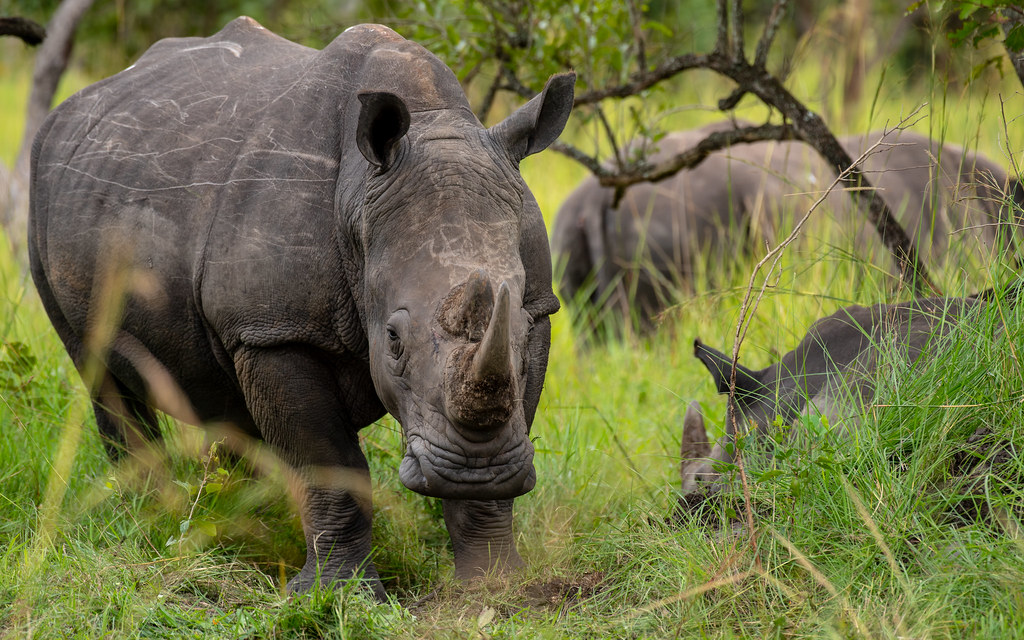
It is home to the Big Five: lions, leopards, elephants, buffaloes and rhinoceroses.
Other wildlife includes giraffes, zebras, antelopes, hippos and crocodiles.
Akagera offers excellent opportunities for photographing animals in open landscapes, particularly during early morning and late afternoon game drives.
Lake Ihema is also an attractive location for bird photography and aquatic wildlife encounters.
Self-drive tip: Akagera is one of the most suitable destinations in Rwanda for independent safari travellers. A reliable 4×4 vehicle is recommended for exploring the park, especially when road conditions become challenging during rainy periods. Check current park vehicle and route requirements before departure.
3. Nyungwe Forest National Park – Chimpanzees and Forest Photography
Nyungwe Forest National Park is one of Rwanda’s most beautiful rainforest destinations.
The ancient tropical forest is famous for chimpanzees, colobus monkeys, other primates and remarkable bird diversity.
Photographic opportunities include:
- Chimpanzees in their natural habitat.
- Large groups of black-and-white colobus monkeys.
- Forest birds and butterflies.
- Tropical vegetation and forest landscapes.
- The famous Nyungwe Canopy Walkway.
Chimpanzee trekking requires authorised arrangements and a park guide. Photography enthusiasts should prepare for humid conditions, limited light and challenging forest environments.
Nyungwe is particularly attractive for travellers who want to combine wildlife photography with nature exploration.
4. Lake Kivu – Scenic Landscape Photography
Lake Kivu offers a completely different photographic experience from Rwanda’s wildlife parks.
The lake is surrounded by green hills, fishing communities, islands and beautiful lakeside settlements.
Popular areas include Rubavu, Karongi and Rusizi.
Photography opportunities include:
- Sunrise and sunset over the lake.
- Traditional fishing boats.
- Lakeside villages.
- Green hills and mountain scenery.
- Local markets and cultural experiences.
Lake Kivu is also an excellent destination for relaxing after a wildlife safari.
Best Self-Drive Photographic Safari Destinations in Uganda
Rwanda’s neighbouring country Uganda offers additional opportunities for travellers interested in primate photography, wildlife and scenic road trips.
5. Bwindi Impenetrable National Park – Mountain Gorilla Photography
Bwindi Impenetrable National Park is one of the world’s most important mountain gorilla conservation areas.
Its dense tropical rainforest creates a dramatic photographic environment, with opportunities to capture gorilla families within their natural surroundings.
Travellers can drive from Rwanda into southwestern Uganda through an authorised border crossing, provided they have the necessary vehicle documentation and cross-border rental permission.
Gorilla trekking must be booked through the authorised authorities, and visitors are accompanied by park guides.
For travellers interested in photographing mountain gorillas in both Rwanda and Uganda, combining Volcanoes National Park and Bwindi creates a memorable primate photography experience.
6. Queen Elizabeth National Park – Tree-Climbing Lions
Queen Elizabeth National Park is one of Uganda’s most rewarding wildlife destinations.
The Ishasha sector is particularly famous for its tree-climbing lions, which are sometimes seen resting in the branches of large fig trees.
Other photographic opportunities include elephants, buffaloes, hippos, crocodiles, antelopes and numerous bird species.
The Kazinga Channel boat safari is another highlight, providing excellent opportunities to photograph hippos, elephants and waterbirds.
A 4×4 vehicle is recommended for exploring the park and its surrounding wildlife areas.
7. Kibale Forest National Park – Chimpanzee Photography
Kibale Forest National Park is internationally recognised for its chimpanzee population.
The park offers excellent opportunities for primate photography, with authorised chimpanzee tracking activities taking visitors into the tropical rainforest.
Photographers may capture chimpanzees feeding, grooming, communicating and moving through the forest canopy.
Other highlights include colobus monkeys, forest birds and beautiful tropical vegetation.
Best Photographic Safari Destinations in Kenya
8. Maasai Mara National Reserve – Big Cats and the Great Migration
The Maasai Mara is one of Africa’s most famous wildlife photography destinations.
Its open grasslands and impressive predator populations provide excellent opportunities to photograph lions, cheetahs, leopards, elephants, giraffes and other savannah animals.
The reserve is also part of the world-famous Great Migration ecosystem.
Depending on the season, large herds of wildebeest and zebras move between Tanzania’s Serengeti and Kenya’s Maasai Mara in search of fresh grazing.
Photographic highlights include:
- Lion prides and hunting behaviour.
- Cheetahs in open grasslands.
- Leopards resting in trees.
- Wildebeest and zebra migration.
- Dramatic river crossings during suitable periods.
- Elephants and giraffes.
- African birds of prey.
For independent travellers, it is important to understand that a private vehicle suitable for ordinary road travel may not automatically qualify for every reserve or conservancy. Check vehicle and visitor regulations before travelling.
9. Amboseli National Park – Elephants and Mount Kilimanjaro
Amboseli National Park is famous for its large elephant herds and spectacular views of Mount Kilimanjaro.
It is an excellent destination for photographers who want to capture elephants against dramatic mountain scenery.
Other wildlife includes lions, buffaloes, giraffes, zebras and numerous bird species.
Early mornings are particularly rewarding when weather conditions allow clear views of Mount Kilimanjaro.
Best Photographic Safari Destinations in Tanzania
10. Serengeti National Park – The Ultimate Wildlife Photography Destination
The Serengeti is one of Africa’s most rewarding wildlife photography destinations.
Its expansive plains, abundant wildlife and spectacular migration movements make it an essential destination for a multi-country photographic safari.
Photographers can encounter lions, leopards, cheetahs, elephants, hyenas, buffaloes, giraffes, zebras and wildebeest.
The southern Serengeti and Ndutu region are particularly attractive during the wildebeest calving season.
The central Serengeti provides excellent opportunities for photographing resident predators, while the northern Serengeti is famous for migration movements and seasonal river crossings.
A 4×4 safari vehicle is strongly recommended for exploring the Serengeti’s extensive network of wildlife viewing roads.
11. Ngorongoro Crater – Black Rhinos and Volcanic Landscapes
Ngorongoro Crater offers a unique combination of wildlife photography and spectacular natural scenery.
The crater floor supports lions, elephants, buffaloes, zebras, wildebeest, hippos and endangered black rhinoceroses.
Its dramatic volcanic walls, open grasslands and seasonal lakes provide excellent opportunities for panoramic landscape photography.
Visitors should check the applicable Ngorongoro Conservation Area vehicle, entry and crater access regulations before travelling.
12. Tarangire National Park – Elephants and Baobab Trees
Tarangire National Park is famous for its large elephant populations and impressive baobab trees.
The Tarangire River attracts wildlife during the dry season, making the park particularly rewarding for photographers interested in elephants and other savannah animals.
Other highlights include lions, giraffes, zebras, antelopes and numerous bird species.
Tarangire is an excellent addition to a northern Tanzania self-drive safari.
Suggested 21-Day East Africa Self-Drive Photographic Safari from Rwanda
The following itinerary provides a suggested route for travellers interested in combining Rwanda, Uganda, Kenya and Tanzania.
The route requires careful coordination of international vehicle permissions, border crossings, park regulations and regional transport arrangements.
Day 1: Arrival in Kigali, Rwanda
Arrive at Kigali International Airport and collect your pre-arranged 4×4 rental vehicle.
After a vehicle briefing, explore Kigali or relax at your accommodation.
Overnight in Kigali.
Day 2: Kigali to Volcanoes National Park
Drive north towards Musanze and Volcanoes National Park.
Enjoy the beautiful countryside, rolling hills and views of the Virunga Mountains.
Overnight near the park.
Day 3: Mountain Gorilla Trekking
Participate in an authorised mountain gorilla trekking experience.
Photograph gorillas in their natural habitat while following park photography regulations.
Overnight near Volcanoes National Park.
Day 4: Volcanoes National Park to Lake Kivu
Drive towards Lake Kivu and explore the beautiful lakeside scenery.
Enjoy photography opportunities around Rubavu or Karongi.
Overnight near Lake Kivu.
Day 5: Lake Kivu to Bwindi, Uganda
Travel towards southwestern Uganda through an authorised border crossing.
Proceed to Bwindi Impenetrable National Park.
Overnight near Bwindi.
Day 6: Gorilla Trekking in Bwindi
Enjoy an authorised gorilla trekking experience in Uganda.
Photograph the gorilla family and surrounding rainforest environment.
Overnight near Bwindi.
Day 7: Bwindi to Queen Elizabeth National Park
Drive towards Queen Elizabeth National Park.
Enjoy the scenic landscapes of western Uganda.
Overnight near the park.
Day 8: Tree-Climbing Lions and Kazinga Channel
Explore the Ishasha sector and search for tree-climbing lions.
Depending on your location and timing, enjoy a game drive or boat excursion along the Kazinga Channel.
Overnight in Queen Elizabeth National Park.
Day 9: Queen Elizabeth to Kibale Forest
Drive towards Kibale Forest National Park.
Enjoy the surrounding countryside and prepare for chimpanzee tracking.
Overnight near Kibale.
Day 10: Chimpanzee Tracking
Participate in an authorised chimpanzee tracking activity.
After the experience, prepare for the onward journey.
Day 11: Regional Transfer to Kenya
Travel to Kenya using a suitable regional transport connection.
For a practical self-drive expedition, vehicle arrangements must be confirmed in advance. A regional flight and separate Kenya rental vehicle may be more convenient than driving the entire distance.
Overnight in Nairobi or the selected transfer destination.
Day 12: Nairobi to Maasai Mara
Travel to the Maasai Mara using an approved vehicle or scheduled flight.
Enjoy an afternoon wildlife drive.
Overnight in the Maasai Mara.
Day 13: Full-Day Maasai Mara Safari
Explore the reserve in search of lions, leopards, cheetahs, elephants and migrating herds.
Spend additional time at wildlife sightings for photography.
Overnight in the Maasai Mara.
Day 14: Maasai Mara to Tanzania
Arrange an appropriate regional flight or coordinated border transfer into Tanzania.
The international connection between the Mara and Serengeti requires advance planning.
Overnight according to your onward travel arrangements.
Day 15: Serengeti National Park
Arrive in the Serengeti and enjoy an afternoon game drive.
Overnight in the Serengeti.
Day 16: Full-Day Serengeti Photography
Explore the Serengeti’s wildlife areas in search of big cats, elephants, wildebeest and zebras.
Overnight in the Serengeti.
Day 17: Serengeti Wildlife Exploration
Enjoy another day of wildlife photography, exploring the appropriate seasonal migration areas.
Overnight in the Serengeti.
Day 18: Serengeti to Ngorongoro
Drive towards the Ngorongoro Conservation Area.
Enjoy the beautiful landscapes and wildlife along the way.
Overnight near the crater.
Day 19: Ngorongoro Crater Safari
Descend into the crater for a wildlife viewing and photography experience.
Look for black rhinos, lions, elephants and other wildlife.
Overnight in the Ngorongoro area.
Day 20: Ngorongoro to Tarangire
Travel to Tarangire National Park.
Enjoy an afternoon game drive among elephants and ancient baobab trees.
Overnight near Tarangire.
Day 21: Tarangire to Arusha
Enjoy a final morning wildlife experience if time permits.
Drive to Arusha or Kilimanjaro International Airport for departure.
Important: This is a multi-country safari concept rather than a guaranteed continuous rental-car route. Some vehicle rental companies do not permit cross-border travel into all four countries. Flights, vehicle changes and authorised border arrangements may be necessary.
Best 4×4 Rental Vehicles for an East Africa Photographic Safari
Choosing the right vehicle is essential for an enjoyable self-drive photographic expedition.
A reliable 4×4 provides comfort, sufficient luggage capacity and the ability to handle different road conditions.
Toyota Land Cruiser
The Toyota Land Cruiser is an excellent choice for travellers exploring multiple wildlife destinations.
Its strong off-road performance, spacious interior and high ground clearance make it suitable for many safari environments.
It is particularly recommended for travellers carrying several camera bodies, large telephoto lenses, tripods and camping equipment.
Toyota Land Cruiser with Rooftop Tent
A Land Cruiser equipped with a rooftop tent is a popular option for travellers interested in combining wildlife photography with camping.
Depending on the vehicle configuration, camping equipment may include:
- Rooftop tent and mattress.
- Sleeping bags and bedding.
- Camping table and chairs.
- Kitchen utensils.
- Cooking equipment.
- Refrigerator or cooler.
- Water containers.
- Basic recovery equipment.
Always confirm that the camping vehicle is permitted in the intended parks and that suitable campsites are available.
Toyota Prado
The Toyota Land Cruiser Prado is another suitable option for self-drive wildlife enthusiasts.
It provides a comfortable driving experience and useful luggage capacity for photography equipment.
It is particularly attractive for couples and small families who prefer staying in lodges rather than carrying extensive camping equipment.
Toyota RAV4 and Other 4×4 Options
For travellers concentrating on Rwanda’s main road network and selected accessible destinations, a smaller 4×4 may be suitable.
However, a compact SUV is not automatically appropriate for every national park road or challenging off-road route.
Always select a vehicle according to the planned destinations, season and park regulations.
Rooftop Tent Camping for East Africa Photographic Safaris
Camping is an excellent way to experience East Africa’s natural environments while keeping accommodation costs under control.
A rooftop tent allows travellers to camp at designated campsites and enjoy greater flexibility during their road trip.
Rwanda, Uganda, Kenya and Tanzania offer different camping experiences, although campsite facilities, availability and park restrictions vary between destinations.
For an extended photographic safari, camping can provide opportunities to stay closer to wildlife areas and enjoy early-morning game drives.
Travellers should always use authorised campsites and follow park safety regulations.
Best Time for a Self-Drive Photographic Safari in East Africa
The best time depends on the destinations you intend to visit and the wildlife experiences you want to photograph.
January–February: Excellent for wildebeest calving photography in the southern Serengeti and Ndutu region.
March–May: Green landscapes, bird photography and dramatic scenery. Some roads can become challenging during heavy rainfall.
June–July: Good opportunities for dry-season wildlife viewing and migration movements in the Serengeti.
August–October: Popular months for migration photography in the northern Serengeti and Maasai Mara.
November–December: Beautiful green landscapes, birdlife and changing migration movements.
For a Rwanda–Uganda–Kenya–Tanzania expedition, it is important to plan around the weather conditions and wildlife seasons of all four countries.
Important Cross-Border Requirements for Self-Drive Rwanda
Planning an international self-drive safari requires more than simply hiring a 4×4 vehicle.
Before leaving Rwanda, confirm the following:
1. Cross-border vehicle permission: Obtain written authorisation from the rental company for every country you intend to visit.
2. Insurance coverage: Confirm that the vehicle’s insurance is valid in all intended destinations.
3. Temporary import documentation: Check the applicable customs and temporary vehicle admission requirements at each border.
4. Driving documents: Carry a valid driving licence and any required international driving permit.
5. National park permissions: Check individual park vehicle requirements, entry fees and camping regulations.
6. Border crossing arrangements: Confirm the operating procedures and documentation required at your selected border posts.
7. Vehicle condition: Ensure the vehicle has suitable tyres, spare wheels, a jack, recovery equipment and basic emergency supplies.
8. Wildlife safety: Follow park speed limits, remain inside the vehicle where required and never approach or feed wild animals.
Important rental consideration: A Rwanda-registered rental vehicle cannot automatically be driven into Uganda, Kenya or Tanzania. Some operators restrict international travel or require special insurance and documentation. Obtain written confirmation before booking.
Photography Equipment to Bring on Your Self-Drive Safari
For wildlife photographers, the right equipment can make a major difference.
Recommended equipment includes:
- DSLR or mirrorless camera.
- 100–400mm or 150–600mm telephoto lens.
- 400mm or 600mm lens for distant wildlife.
- Wide-angle lens for landscapes.
- Extra camera batteries.
- High-capacity memory cards.
- Beanbag for vehicle photography.
- Binoculars.
- Camera rain covers.
- Laptop or external storage for backing up photographs.
A spacious 4×4 with suitable camera storage is particularly useful for photographers travelling with several lenses and accessories.
Why Choose Self Drive Rwanda for Your East African Adventure?
Self Drive Rwanda is focused on helping independent travellers discover Rwanda through flexible car rental and self-drive travel arrangements.
Whether you are planning a short Kigali road trip, a wildlife safari in Akagera, a gorilla trekking holiday in Volcanoes National Park or an extended East African adventure, choosing the right vehicle and travel arrangements is essential.
We help travellers explore suitable 4×4 rental options for different journeys, including:
- Toyota Land Cruiser 4×4 rentals.
- Toyota Prado 4×4 rentals.
- Budget-friendly 4×4 vehicle options.
- Rooftop tent camping vehicles.
- Self-drive safari vehicles.
- Camping equipment rental.
- Rwanda road trip planning.
- Selected cross-border rental arrangements, subject to approval.
Our aim is to make independent travel in Rwanda convenient, flexible and memorable.
Frequently Asked Questions – East Africa Photographic Safari from Rwanda
1. Can I start a self-drive photographic safari in Kigali?
Yes. Kigali is a convenient starting point for exploring Rwanda by rental vehicle. From the capital, you can visit Akagera, Volcanoes National Park, Nyungwe Forest and Lake Kivu.
2. Can I drive from Rwanda to Uganda?
Yes, international road travel between Rwanda and Uganda is possible. However, rental vehicles must have the appropriate cross-border authorisation, insurance and documentation.
3. Can I drive a Rwanda rental vehicle into Kenya and Tanzania?
This depends on the rental company’s international travel policy. Some companies permit selected cross-border journeys, while others restrict vehicles to Rwanda or neighbouring countries. Always confirm in writing.
4. Is Akagera National Park suitable for self-drive safaris?
Yes. Akagera is a popular destination for independent wildlife safaris. Visitors should follow park regulations, use permitted routes and select an appropriate vehicle for the prevailing road conditions.
5. Can I photograph mountain gorillas without a guide?
No. Mountain gorilla trekking in Rwanda and Uganda is a regulated activity requiring authorised permits and park guides. Having a self-drive rental vehicle does not remove these requirements.
6. Which 4×4 is best for a photographic safari?
A Toyota Land Cruiser is a popular choice because of its off-road capability, ground clearance and luggage space. A Prado is also suitable for many travellers, depending on the route and equipment requirements.
7. Can I rent a 4×4 with a rooftop tent in Rwanda?
Yes, subject to vehicle availability. Rooftop tent vehicles are suitable for travellers who prefer independent camping adventures and want to explore designated campsites.
8. What is the best time for wildlife photography in Rwanda?
Rwanda’s dry seasons, generally June to September and December to February, are popular for wildlife and gorilla trekking. However, photography opportunities are available throughout the year.
9. Can I combine Rwanda, Uganda, Kenya and Tanzania in one self-drive safari?
Yes, but it requires careful planning. Cross-border rental permissions, vehicle insurance, customs documentation and park regulations must be checked. A combination of self-drive rentals and regional flights may be the most practical solution.
10. How many days should I spend on an East Africa photographic safari?
A 10–14-day trip is suitable for selected destinations, while 21–30 days provides more flexibility for exploring all four countries.
Book Your Rwanda 4×4 Rental for an East Africa Photographic Safari
Ready to explore Rwanda and the wider East African region?
Discover the freedom of travelling independently with a reliable 4×4 rental vehicle from Self Drive Rwanda.
Whether you want to photograph mountain gorillas in Volcanoes National Park, explore Akagera’s Big Five wildlife, discover Uganda’s rainforest habitats or extend your journey towards Kenya’s Maasai Mara and Tanzania’s Serengeti, we can help you identify suitable vehicle rental options.
Contact Self Drive Rwanda with your travel dates, preferred destinations, number of passengers and vehicle requirements.
Explore Rwanda. Drive East Africa. Capture unforgettable African wildlife moments.